Kenya is on the cusp of its largest privatization drive in more than two decades, following the National Assembly’s approval of the long-anticipated Kenya Pipeline Company (KPC) initial public offering. The adoption of Sessional Paper No. 2 of 2025 authorizes the government to divest up to 65.0% of its stake in the state corporation while retaining a minimum 35.0% holding. The offering, expected to raise about KES 100 .0bn, is not only significant as a capital-raising exercise but also as a test of investor confidence in the Nairobi Securities Exchange, which has been rallying in 2025 after years of subdued performance.
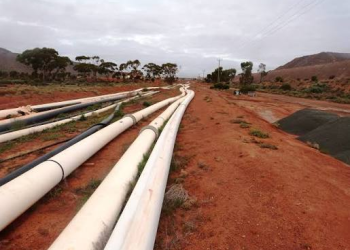
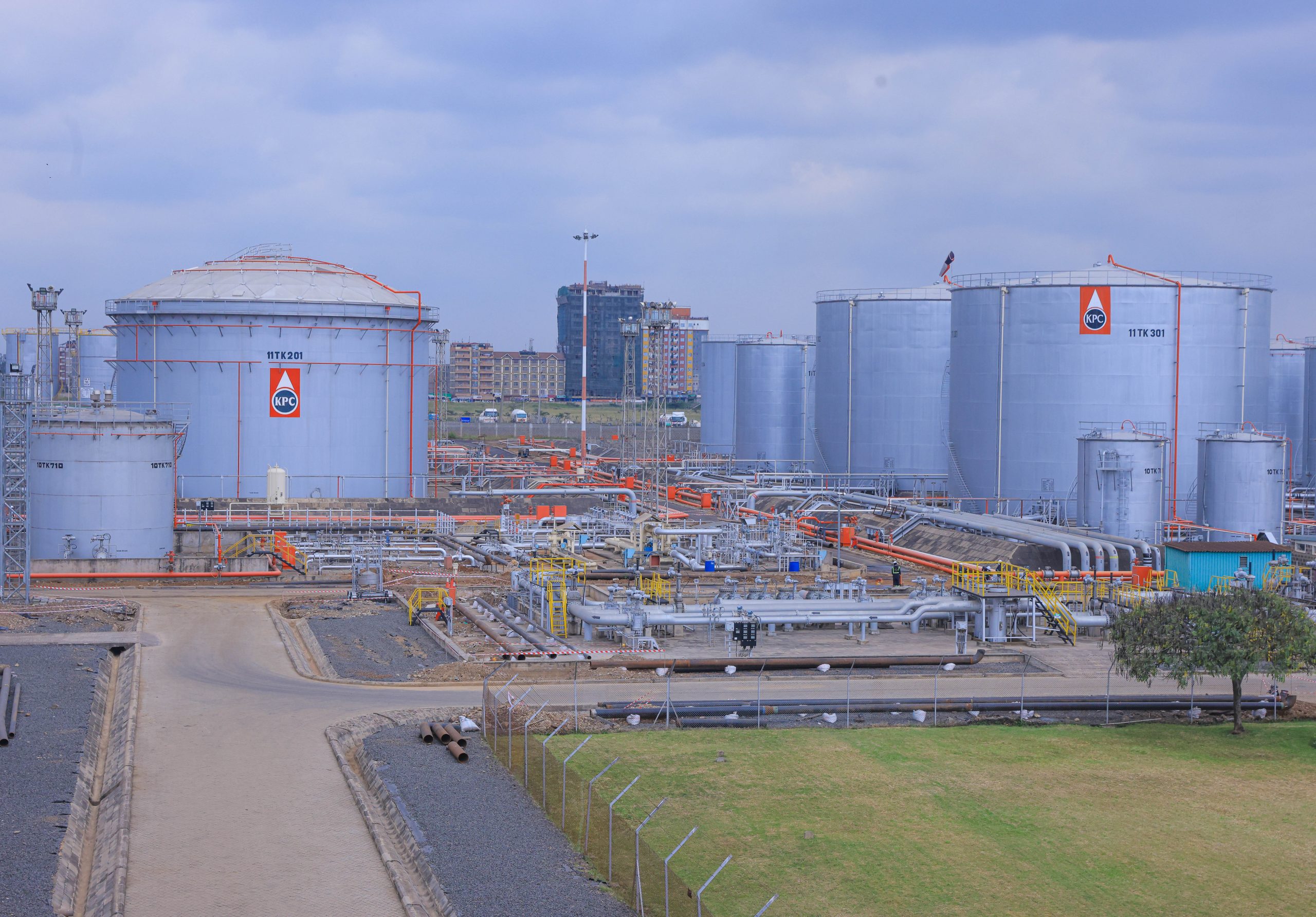
KPC occupies a strategic position in Kenya’s and the region’s energy supply chain. Established in 1973, it operates more than 1,340 kilometers of pipeline infrastructure, supported by storage depots, loading terminals, and aviation fueling facilities. Its network links Mombasa’s import hub to the interior and serves landlocked neighbors such as Uganda, Rwanda, South Sudan, and eastern DRC. The company’s modernization drive reached a milestone in 2022 with the commissioning of the Kipevu Oil Terminal II in Mombasa, the largest offshore petroleum facility in East and Central Africa. With four berths capable of handling Very Large Crude Carriers and multiple products simultaneously, the terminal has cemented Kenya’s role as a regional logistics hub and opened opportunities for diversification into liquefied petroleum gas, aligning with national clean energy goals.
Financially, KPC has delivered strong numbers in the run-up to privatization. Revenues increased by 14.6% to KES 35.4 bn in 2024, while profit before tax rose by nearly a third to KES 10.0 bn. After taxes, net profit climbed 52.6% to KES 6.9 bn, reflecting operational efficiency and lower financing costs. Debt fell from KES 6.7 bn in 2023 to just KES 2.5 bn in 2024, cutting finance expenses by half and positioning the company to approach the market with a relatively clean balance sheet. Earnings per share increased to KES 378.0, up from 248.0 in the prior year, signaling steady value creation even before the transition to mixed ownership.
Yet, beneath the headline figures lie some pressure points. Operating cash flows halved in 2024 to KES 10.5 bn, raising questions about liquidity management and the pace of receivables collection. With financing outflows also rising due to debt repayments, the IPO is expected to provide much-needed capital to stabilize liquidity while funding modernization and regional expansion under KPC’s Vision 2025 strategy. That plan foresees pipeline extensions into Uganda and Rwanda, cross-border LPG storage partnerships, and greater participation in regional energy integration projects.


Recognizing the sensitivity of privatizing such a strategic enterprise, Parliament has imposed stringent safeguards. The Office of the Auditor General must audit the process within six months, while transaction advisers will be competitively procured under capped fees. To prevent excessive ownership concentration, the Privatization Commission will impose shareholding limits, enforce minimum retail investor quotas, and prioritize citizen participation through allocations for youth, women, persons with disabilities, and employees via an ownership plan. Transparency is also a central requirement: the valuation must be disclosed in the IPO prospectus alongside a simplified citizen-friendly version, while all contingent liabilities, from KES 5.8 bn in lawsuits to Makueni County compensation claims and disputed projects, must be factored in.
The broader policy context adds complexity. The government has set ambitious revenue targets from privatization, and proceeds from the KPC sale are earmarked for development, debt management, and clearing pending bills. However, the process has already faced hurdles, including a court injunction in August 2025 that briefly halted the sale before being lifted in September. Critics warn of rushed debate and inadequate scrutiny, and fresh legal challenges remain possible. Meanwhile, the Privatization Bill 2025, which seeks to overhaul Kenya’s divestment framework, is still under debate and could shape not just KPC’s IPO but future state sell-downs.
For investors, the opportunity is compelling but nuanced. KPC offers exposure to a strategic infrastructure asset with quasi-regulated revenues, regional growth potential, and a deleveraged balance sheet. Its natural hedge from billing half its revenue in U.S. dollars adds resilience in a volatile currency environment. At the same time, regulated tariffs set by the Energy and Petroleum Regulatory Authority can compress margins, and governance reforms will be critical in determining post-listing performance.
If attractively priced, the IPO could provide both capital appreciation and dividend income, while broadening Kenya’s capital markets. But investors will weigh the promise of steady, infrastructure-backed returns against risks of regulatory intervention, litigation, and political influence. The Kenya Pipeline Company listing may well redefine Nairobi’s equity market and reshape the country’s energy logistics sector, but it will require clarity, discipline, and strong execution to deliver on its promise.