Kenyans placed a record Sh330.5 billion in bets during the financial year ending June 2026, underscoring the rapid expansion of the country’s betting industry after the government reduced taxes on gambling. The surge in betting activity saw total wagers exceed the value of shares purchased on the Nairobi Securities Exchange (NSE), highlighting the sector’s growing influence on Kenya’s economy.
According to data from the Kenya Revenue Authority (KRA), the betting industry generated Sh16.5 billion in excise duty, outperforming the agency’s annual target by 15.9 percent. The collections followed the government’s decision to reduce excise tax on betting deposits from 15 percent to five percent, a move that significantly lowered the cost of placing bets.
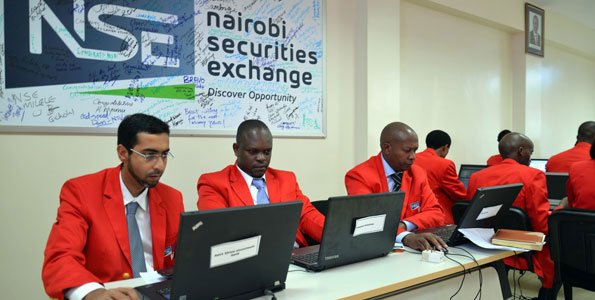
Based on the tax collected, KRA estimates that gamblers staked Sh330.5 billion over the period, nearly four times the Sh88.2 billion wagered the previous financial year. The amount also surpassed the approximately Sh145 billion invested in shares on the NSE during the same period, despite the stock market delivering a strong 52 percent return. Betting activity also came close to matching the Sh367 billion invested in money market funds, reflecting the growing popularity of online gambling.
While lower taxes may have encouraged greater participation, KRA maintains that the impressive revenue performance stems from stronger tax administration rather than government support for betting.


The authority noted that it had integrated 143 betting and gaming companies into its systems by June 2026, enabling real-time monitoring of betting transactions and improving tax compliance. The enhanced digital integration allows taxes to be collected immediately when betting-related transactions occur.
Under Kenya’s current tax framework, bettors pay a five percent excise duty whenever they deposit money into betting wallets through platforms such as M-Pesa or Airtel Money. In addition, a five percent withholding tax is deducted whenever funds are withdrawn from betting accounts, regardless of whether the player made a profit or a loss.
The explosive growth reflects Kenya’s position as one of Africa’s leading betting markets. A recent GeoPoll survey found that 64 percent of Kenyans had placed at least one football bet over the previous year, the highest participation rate among surveyed African countries. Ghana followed at 60 percent, while South Africa recorded 58 percent.
Football remains the biggest driver of betting activity. The survey revealed that 67 percent of Kenyan respondents watch between three and four football matches every week, making them the continent’s most active football audience. Kenyan bettors also topped the rankings for placing additional wagers during halftime, demonstrating high engagement throughout matches.
The ongoing 2026 FIFA World Cup, hosted jointly by Mexico, the United States and Canada, has further boosted betting volumes. The tournament’s expanded 48-team format has created more fixtures, offering punters additional betting opportunities and sustaining high participation levels.
Last year, Parliament approved the reduction in excise duty on betting transactions, partly to close tax loopholes that allowed Kenyans to gamble on foreign-based platforms without paying local taxes. Under the revised system, excise duty is deducted before funds are transferred from mobile money accounts to betting wallets, ensuring taxes are collected regardless of where the betting operator is based.
Betting companies are now required to calculate their daily excise tax liabilities after midnight and remit the funds to KRA by 7:00 a.m. the following day, strengthening tax compliance across the industry.
Despite the sector’s rapid growth and increased tax revenue, regulators remain concerned about the social consequences of gambling. The government is introducing stricter controls through the proposed Gambling Control Regulations, 2026, which seek to ban the use of celebrities and jackpot winners in gambling advertisements. The regulations will also require betting companies to implement automated systems that prevent self-excluded gamblers from accessing betting services, as authorities seek to address rising concerns over gambling addiction, particularly among young Kenyans.