Sharp Daily
No Result
View All Result
Thursday, May 21, 2026
  • Home
  • News
    • Politics
  • Business
    • Banking
  • Investments
  • Technology
  • Startups
  • Real Estate
  • Features
  • Appointments
  • About Us
    • Meet The Team
Sharp Daily
  • Home
  • News
    • Politics
  • Business
    • Banking
  • Investments
  • Technology
  • Startups
  • Real Estate
  • Features
  • Appointments
  • About Us
    • Meet The Team
No Result
View All Result
Sharp Daily
No Result
View All Result
Home Investments

Kenya’s government spending trends and economic implication

Hezron Mwangi by Hezron Mwangi
January 14, 2025
in Investments, Money
Reading Time: 2 mins read

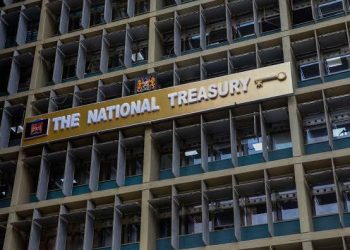
In the last fiscal year 2023-2024, the Kenyan government spent Kshs 3.6 trillion to address the needs of its citizens, reflecting a notable increase from Kshs 3.2 trillion spent during the same period in 2022-2023 fiscal year. This 10.7% rise highlights growing expenditure on critical services and infrastructure, driven by rising demand and inflationary pressures.

Government spending is a vital tool for fostering economic growth, providing essential services, and addressing socioeconomic challenges. In the last fiscal year, Kenya’s total government spending exceeded its revenue collection and resulted in a budget deficit. This trend mirrors global practices, where deficits are often used to support key initiatives during challenging economic times.

Funding for government spending in Kenya comes primarily from tax revenues and borrowing. Taxes contribute significantly to financing mandatory and discretionary spending. Mandatory spending—guided by pre-existing laws—includes areas such as pension disbursements, subsidies, and healthcare programs. Discretionary spending, on the other hand, is approved annually by Parliament and includes funding for education, infrastructure development, and defense.

Debt servicing remains a growing concern in Kenya’s budget. Total interest payments on public debt accounted for approximately 33.8% of total revenue in 2023, reflecting the country’s rising debt burden. As Kenya continues borrowing to finance development projects, the cost of servicing this debt poses challenges for fiscal sustainability.

RELATEDPOSTS

Kenya reopens bonds to raise kSh 60 billion

March 18, 2026

Spending trends also reveal the government’s prioritization of social welfare and economic growth. For example, significant allocations are directed toward education, healthcare, and infrastructure.These investments are crucial for long-term growth and poverty reduction but require careful balancing to avoid unsustainable debt accumulation.

Kenya’s fiscal policy, like that of other nations, must balance the pressing need to stimulate economic activity and improve livelihoods with the imperative to ensure long-term financial stability. Strategic investments, coupled with effective revenue collection and prudent debt management, are essential for achieving this balance. As spending continues to rise, enhanced transparency and efficiency will remain key to ensuring funds effectively address Kenya’s developmental goals.


Previous Post

Leveraging debt for wealth in Kenya’s real estate market

Next Post

The impact of ESG principles on investments in Kenya

Hezron Mwangi

Hezron Mwangi

Related Posts

Analysis

Co-op bank Q1 profit rises on digital growth

May 15, 2026
Analysis

Safaricom hits ksh 100bn profit mark

May 14, 2026
Business

EPRA ends kenya power monopoly in major energy sector shift

May 13, 2026
Money

Kenyan crypto traders face identity disclosure requirements under proposed Finance Bill 2026 changes

May 12, 2026
Analysis

Safaricom maintains growth momentum as digital services drive earnings

May 5, 2026
Analysis

Equity group holdings eyes southern africa growth

April 29, 2026

LATEST STORIES

Cable Experts to acquire 68% stake in East African Cables from TransCentury

May 20, 2026
John Mbadi, Kenya's treasury secretary, during an interview in Nairobi, Kenya, on Wednesday, Aug. 20, 2025. Kenya is in talks with China to convert dollar-denominated debt the East African nation owes its biggest bilateral lender to yuan and extend the repayment period, Mbadi said. Photographer: Kang-Chun Cheng/Bloomberg via Getty Images

Finance bill 2026: Key changes set to shape kenya’s economy

May 20, 2026

The relationship between interest rates and equity market performance

May 20, 2026

The impact of exchange rate volatility on investment decisions

May 19, 2026

Equity Group Holdings move to extend its footprint across Southern Africa

May 19, 2026

The Spotify “Disco Ball” Branding Stunt

May 18, 2026

Court to decide on Kenya’s Sh204 billion Safaricom stake sale

May 18, 2026

The influence of commodity prices on investment markets

May 18, 2026
  • About Us
  • Meet The Team
  • Careers
  • Privacy Policy
  • Terms and Conditions
Email us: editor@thesharpdaily.com

Sharp Daily © 2024

No Result
View All Result
  • Home
  • News
    • Politics
  • Business
    • Banking
  • Investments
  • Technology
  • Startups
  • Real Estate
  • Features
  • Appointments
  • About Us
    • Meet The Team

Sharp Daily © 2024