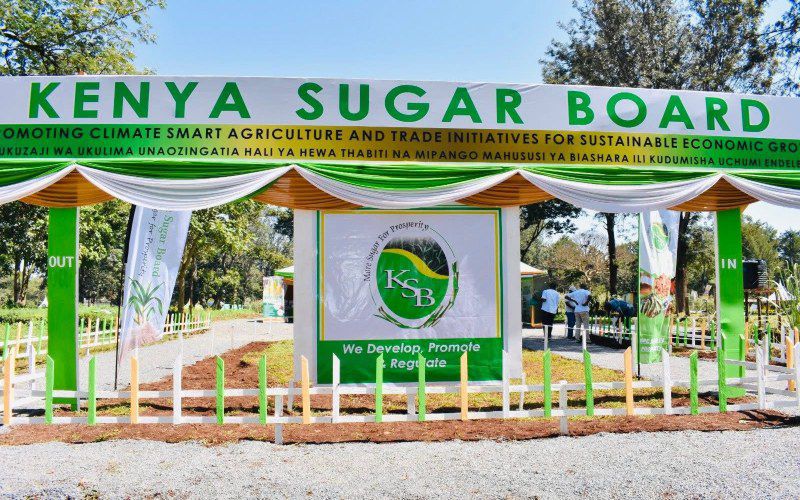
Kenya has formally exited the Common Market for Eastern and Southern Africa (COMESA) Sugar Safeguard regime after 24 years, concluding one of the longest protection mechanisms ever applied to the national sugar sector and signaling a major shift in policy direction toward competitiveness and regional integration. The safeguard, which lapsed on November 30, 2025, was originally introduced in 2001 under Article 61 of the COMESA Treaty as a temporary measure to stabilize, restructure and protect the sugar industry as it transitioned into a regional free trade environment. Over the past two decades, it provided tariff rate quotas and controlled import protections while the industry underwent structural reforms, infrastructure investments and adjustments aimed at boosting productivity and resilience within the sector.
The decision to withdraw from the safeguard reflects confidence among policymakers and industry managers in the current state of the sector. After years of targeted interventions, Kenya’s sugar production has expanded significantly, supported by increased acreage, improved agronomic practices and rehabilitation of milling capacity. As a result, domestic output has grown, narrowing the gap with national demand and laying a foundation for a more competitive posture in a liberalized regional market. The industry’s evolution has also been shaped by a deliberate shift from protectionism toward efficiency, diversification and value addition, with sugarcane increasingly recognized not only as a source of refined table sugar but also as a feedstock for ethanol, electricity from bagasse and other industrial by products.
As the safeguard program ends, Kenya is opening its sugar market to regional competition, allowing duty free imports from COMESA member states while maintaining a balanced sourcing framework that supports domestic price stability and food security. This policy framework is designed to manage fluctuations in regional surplus availability and ensure that importation complements rather than undermines local production. Despite the exit from the protection regime, value chain reforms such as private leasing of formerly state owned mills and measures to boost productivity remain central to long term plans for self sufficiency and eventual export competitiveness within the COMESA Free Trade Area.
The transition marks a major milestone in the sugar sector’s reform cycle and underscores the importance of strategic policy, operational efficiency and market access in transforming a historically protected industry. For farmers, millers and investors, the end of the safeguard opens new avenues for participation in a broader regional marketplace. At the same time, it reinforces the need for continued investment in productivity improvements, infrastructure, climate resilient farming practices and downstream value addition to ensure sustained growth and competitiveness.

As Kenya’s agricultural sector evolves toward greater competitiveness and integration, individuals and businesses benefit from strong financial planning and savings strategies to navigate broader economic changes. Consider growing your savings with the Cytonn Money Market Fund (CMMF) a transparent, flexible and liquid option designed to help you preserve capital and earn steady returns while planning for both short-term goals and long term financial resilience.
📞 Call +254 (0) 709 101 200 or 📧 email sales@cytonn.com to learn more.