Kenya’s capital markets are demonstrating renewed momentum after a prolonged period of relatively weak activity, signaling a potentially important turning point for the country’s investment landscape. During the first half of 2026, market indicators have pointed toward improving investor sentiment, stronger participation at the Nairobi Securities Exchange (NSE), and growing interest in publicly traded securities. Increased corporate activity, including rights issues and mergers, has further reinforced perceptions of a market entering a recovery phase.
The improvement has coincided with a more supportive macroeconomic environment. The stabilization of the Kenyan shilling has reduced currency-related uncertainty for both domestic and foreign investors, while moderating inflationary pressures have contributed to improved economic confidence. These developments have created favorable conditions for capital market activity and have helped attract renewed investor attention toward listed securities and alternative investment opportunities.
Despite these positive signals, the durability of the current recovery is likely to depend less on short-term market performance and more on the strength of governance systems within the financial ecosystem. Previous market cycles have demonstrated that periods of strong performance can be undermined by weak governance practices, inadequate oversight, and insufficient transparency. Sustaining long-term investor confidence therefore requires institutions that can support accountability and protect market integrity.
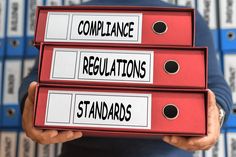
Effective governance within capital markets extends beyond regulatory compliance. It encompasses independent and capable boards, transparent financial reporting frameworks, effective internal controls, comprehensive risk management systems, and clear lines of accountability within institutions. These governance structures play a critical role in ensuring that companies are managed responsibly and that investors have access to reliable information when making investment decisions.


The importance of governance has become increasingly evident as investment decisions evolve beyond traditional financial metrics. Institutional investors and foreign portfolio managers are now placing greater emphasis on governance standards alongside broader environmental, social, and governance (ESG) considerations. Companies with strong governance frameworks are increasingly viewed as more resilient, better managed, and more capable of generating sustainable long-term value.
Kenya has recorded encouraging progress in this area. Recent assessments indicate that the average corporate governance score among listed issuers improved significantly during the 2024/25 financial year, reflecting stronger adherence to governance requirements and reporting standards. The improvement suggests that listed firms are increasingly viewing governance as a strategic advantage capable of enhancing competitiveness and attracting capital rather than merely fulfilling regulatory obligations.
At the same time, the NSE continues to pursue reforms aimed at broadening participation and deepening the market. Initiatives designed to increase retail investor involvement, introduce new investment products, and modernize market infrastructure are expected to expand investment opportunities and improve market accessibility. However, the success of these reforms will depend heavily on effective regulatory oversight and consistent enforcement of market rules.
The expected pipeline of initial public offerings and alternative investment products presents another opportunity for market expansion. Yet investor participation in these offerings will ultimately be determined by confidence in the fairness, transparency, and integrity of the market environment. Trust remains a critical ingredient in attracting long-term capital and maintaining liquidity within the exchange.
Kenya’s capital markets possess considerable investment potential and access to capital resources. The more significant challenge lies in preserving and strengthening investor confidence. Robust governance frameworks provide the foundation upon which this confidence is built, supporting transparency, accountability, and market stability. If companies, intermediaries, and regulators continue to strengthen governance standards, the current recovery could evolve into a more resilient and diversified capital market capable of supporting Kenya’s broader economic growth objectives for years to come.