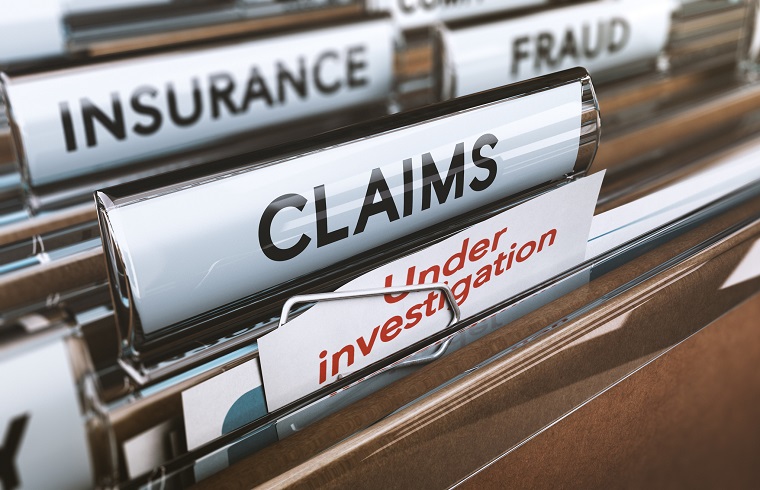
Insurance fraud is increasingly sophisticated, with criminals exploiting technology to deceive insurance companies and consumers alike. In 2024, insurance fraud spans from simple acts, like overvaluing items or failing to disclose information, to organized schemes involving synthetic identities, digital payment manipulation, and even artificial intelligence. These fraudulent activities pose risks to both insurance providers and customers, underscoring the importance of understanding the trends and preventive measures.
One major trend is synthetic identity fraud, where criminals combine real and fictitious information to create new identities. These are then used to open accounts or submit false claims, often going undetected for long periods. Unlike traditional identity theft, synthetic identities are built with a mix of real data, like Social Security numbers, and fake details, making them harder to spot. The widespread use of digital platforms has only increased the prevalence of synthetic identities. To combat this, insurance companies are adopting advanced data analytics to detect anomalies and training staff to recognize fraud patterns.
Another common issue is digital payment fraud, particularly with the rise of mobile wallets and peer-to-peer payment apps. Fraudsters exploit vulnerabilities in these systems to intercept payments, create fake payment confirmations, or alter transaction records. With more consumers using digital payments, the opportunities for fraud have grown. In auto insurance, for example, scammers can use manipulated payment records to support false claims. To counter this, insurance companies are implementing multi-factor authentication, encryption, and real-time transaction monitoring. Regular security audits help insurers identify weak points and enhance digital payment security.
Fraudsters are also using artificial intelligence (AI) to their advantage. While insurers employ AI to detect fraud, criminals use it to create fake documents, images, and videos. These AI-generated materials make it challenging for traditional detection methods to flag them as fraudulent. This impacts areas like car and property insurance, where claims often rely on visual evidence. For instance, a fraudster might use AI to fabricate images of vehicle damage or property loss, making it harder for adjusters to verify claims. To stay ahead, insurance companies are integrating advanced AI tools to verify authenticity and continuously update their fraud detection methods.


Account takeover is another form of fraud that has become more prevalent, fuelled by data breaches. In an account takeover, fraudsters use stolen credentials to access customers’ insurance accounts, allowing them to change details, alter payment methods, and file false claims. With personal information readily available on the dark web, criminals can easily gain access to insurance accounts. Insurers are combating account takeovers with stricter security policies, including mandatory password changes, biometric authentication, and ongoing account activity monitoring. Educating customers on safe practices, like using strong passwords and not sharing sensitive information, is also essential.
As a consumer, there are steps to protect yourself from insurance fraud. First, being informed is key. Gather information about the policy you intend to purchase, either through research or by speaking to knowledgeable sources. Shopping around before committing to a policy can help you find the best option and avoid scams. Several online comparison sites are available to help you compare coverage options and select the right fit.
Keeping records of payments is also crucial. Whether paying by cash, check, or digital transfer, ensure there’s a paper trail confirming your payment. Always request acknowledgment from the insurer to verify that your premiums are received and recorded accurately.
Lastly, verify your insurance agent or broker’s credentials. Cases of customers dealing with unlicensed representatives have resulted in people unknowingly lacking coverage despite paying premiums. You can request to see the agent or broker’s license, check with the insurance company, or visit the Insurance Regulatory Authority (IRA) website to confirm their legitimacy.
Insurance fraud is evolving rapidly, and both companies and consumers need to adapt. While insurance providers are stepping up their defenses with advanced technology and stronger verification processes, consumers must remain vigilant. By being informed, cautious, and proactive, we can protect ourselves and contribute to a more secure insurance industry for everyone.