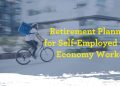


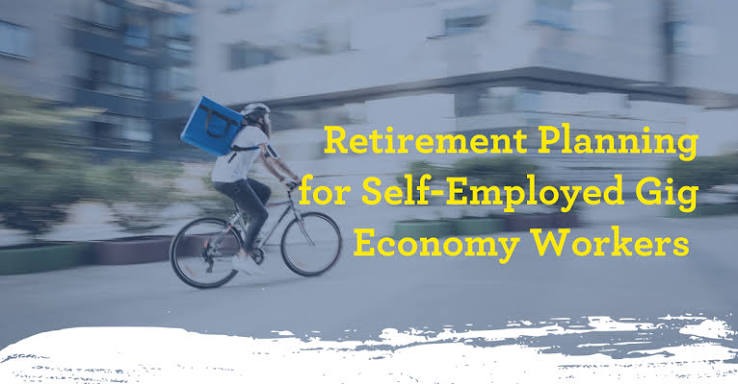
The nature of employment is changing, with an increasing number of people moving away from traditional full-time jobs towards freelance work, consultancy, online businesses and other forms of self-employment. From ride-hailing drivers and online content creators to independent consultants and digital entrepreneurs, the gig economy is creating new income opportunities and greater flexibility. However, while this shift offers workers more control over their careers, it also raises an important question: who takes care of their retirement savings when there is no employer to contribute to a pension scheme?
Unlike employees in formal employment, who may benefit from structured retirement arrangements through employer-sponsored pension schemes, self-employed individuals must take greater responsibility for securing their financial future. Without regular employer contributions, automatic payroll deductions or structured retirement plans, saving for retirement can easily become an afterthought, particularly when income is irregular and immediate financial obligations take priority.
One of the biggest challenges facing gig economy workers is income uncertainty. Earnings may fluctuate depending on the availability of work, customer demand and prevailing economic conditions. This makes it difficult to maintain consistent monthly pension contributions. Additionally, many self-employed individuals prioritize reinvesting in their businesses or meeting daily expenses, leaving little room for long-term savings. Over time, this can create significant retirement gaps, particularly when individuals spend decades working without accumulating sufficient retirement benefits.
However, self-employment does not have to translate into retirement insecurity. Kenya’s retirement benefits industry provides opportunities for individuals outside formal employment to build retirement savings through individual pension plans and personal retirement benefits schemes. These arrangements allow self-employed individuals to make voluntary contributions based on their financial capacity, providing flexibility to save during periods of higher earnings while maintaining a long-term retirement savings objective.


Furthermore, the introduction of digital platforms has made pension participation more accessible, allowing individuals to register, make contributions and monitor their retirement savings with greater convenience. By automating contributions during periods of stable income and setting aside a percentage of earnings from every transaction, gig workers can develop disciplined saving habits despite fluctuating incomes.
Ultimately, the growth of the gig economy calls for a broader understanding of retirement planning, one that recognizes that pension savings should not be exclusively associated with formal employment. As more Kenyans embrace self-employment and flexible working arrangements, individuals must recognize that financial independence during their working years should also translate into financial security in retirement. After all, being your own employer should not mean becoming your own retirement risk. Building a sustainable retirement plan today is an important step towards ensuring that the flexibility enjoyed during one’s working years does not come at the expense of financial stability in old age.