Six years ago, the Kenyan marine insurance landscape underwent a significant transformation with the amendment of Section 20 of the Insurance Act in 2017.
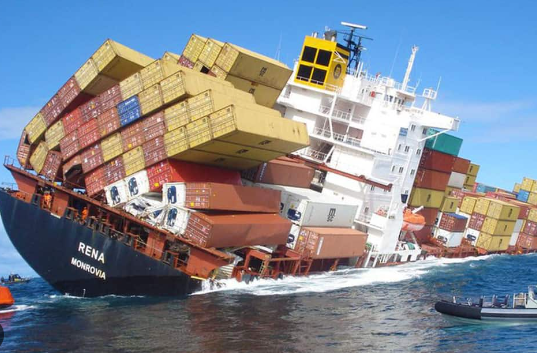
This legislative change mandated cargo importers to involve local underwriters for their marine insurance requirements, aiming to strengthen the financial capabilities of local insurers and ensure their ability to adequately cover the growing maritime trade.
Initially, concerns about the capacity of Kenyan insurers to meet industry demands, doubts about financial strength, pricing, coverage adequacy, and claims processing speed arose among shippers. However, looking ahead to the present, the industry has navigated challenges, including the global disruptions caused by the Covid-19 pandemic. Data from the Association of Kenya Insurers (AKI) reveals that marine insurance has exhibited a compounded annual growth rate (CAGR) of 5.0% over the last five years, showcasing resilience in the face of adversity.
In 2022, the marine insurance sector experienced significant growth, with gross written premiums (GWP) reaching KES 4.7 billion, marking a 14.2% increase from the previous year. Although growth did not reach the initially projected exponential levels, the sector’s trajectory remains promising.

Several factors contribute to this positive outlook. The integration of technology and innovation has played a crucial role in simplifying maritime business processes, enhancing transparency, and improving efficiency. Globally, marine insurance is evolving to address emerging risks and align with environmental, social, and governance (ESG) goals. In more advanced economies, technologies such as algorithmic underwriting, blockchain, and artificial intelligence (AI) are reshaping the maritime trade landscape.
Locally, companies like Britam are at the forefront, integrating their portals with government systems to streamline cross-border commerce and enhance transparency. Innovation in marine insurance is not merely a buzzword; it is a strategic imperative. Britam’s integration with the Kenya Trade Network Agency (KenTrade) system exemplifies the industry’s commitment to creating seamless customer journeys.
Through the use of technology, marine insurers are reducing paperwork, improving the ease of doing business, and enhancing customer experiences. Partnerships with marine surveyors, standardized marine certificates, and dedicated portals contribute to unprecedented levels of efficiency. For example, Britam’s marine insurance portal enables customers to purchase coverage, receive quotes, make payments through M-Pesa or cards, and track claims.
As Kenya’s import economy continues to expand, the shipping industry must actively pursue further growth in the marine insurance sector. To ensure sustained growth, stakeholders should focus on educating importers about the importance of marine insurance. By preventing additional costs arising from loss and damage to packages, the industry can build a more resilient and thriving future. Success lies in riding the innovation wave and embracing transformative technologies that will shape the future of marine insurance in Kenya.