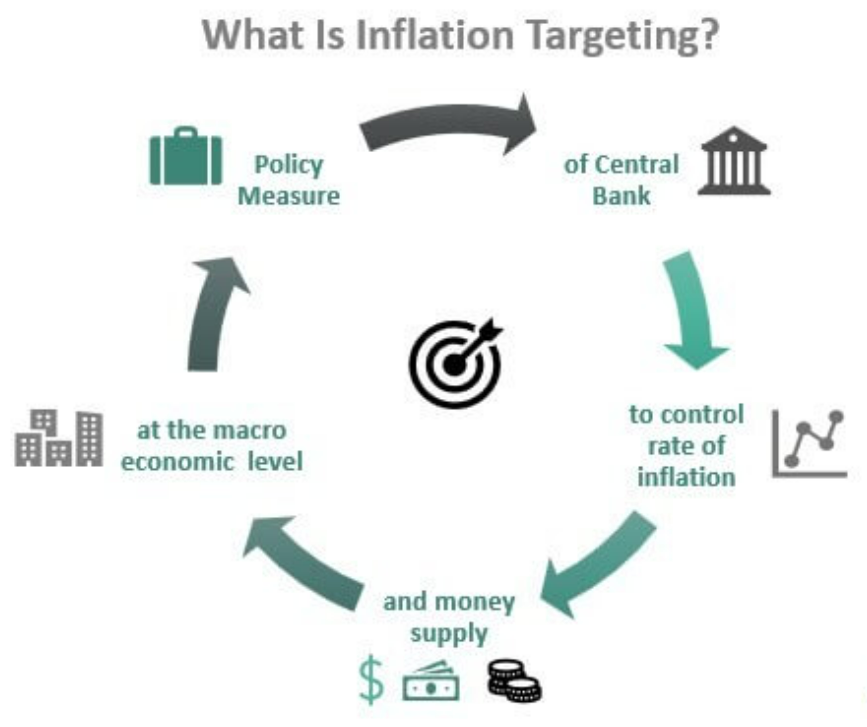
Inflation targeting has become a widely adopted monetary policy framework, particularly among both advanced and emerging economies seeking to maintain price stability while supporting sustainable economic growth. Under this approach, central banks set an explicit target or range for inflation and use policy tools, primarily interest rates, to steer actual inflation toward that target over time. The framework emphasizes transparency, accountability, and forward-looking policy decisions.
At its core, inflation targeting aims to anchor inflation expectations. When businesses, consumers, and investors have confidence that inflation will remain within a predictable range, they are better able to make long-term financial decisions. Stable expectations reduce uncertainty in pricing, wage negotiations, and investment planning, contributing to overall economic stability. This predictability is particularly important in economies that have previously experienced high or volatile inflation.
Central banks implementing inflation targeting rely heavily on interest rate adjustments as their primary policy instrument. When inflation is expected to rise above the target, policymakers may increase interest rates to reduce demand in the economy. Higher borrowing costs typically lead to lower consumer spending and business investment, easing inflationary pressures. Conversely, when inflation is below target or economic growth is weak, central banks may lower interest rates to stimulate economic activity.
Another key feature of inflation targeting is communication. Central banks regularly publish reports, forecasts, and policy statements to explain their decisions and outlook. This transparency helps guide market expectations and enhances the effectiveness of monetary policy. When economic agents understand the rationale behind policy actions, they are more likely to align their expectations with the central bank’s objectives, reinforcing policy credibility.


Inflation targeting also requires a strong analytical framework and reliable data. Policymakers must assess a wide range of economic indicators, including output growth, employment levels, exchange rate movements, and global economic conditions. Since monetary policy operates with time lags, decisions are often based on forecasts rather than current inflation levels. This forward-looking approach allows central banks to act preemptively to prevent deviations from the target.
Despite its advantages, inflation targeting presents certain challenges. External shocks, such as changes in global commodity prices or exchange rate volatility, can influence domestic inflation in ways that are difficult to control through interest rates alone. In such cases, central banks must balance their inflation objectives with broader economic considerations, including financial stability and growth.
In emerging economies, structural factors such as supply constraints and fiscal pressures may also affect the effectiveness of inflation targeting. Coordination between monetary and fiscal policy becomes important to ensure that policy actions are aligned and mutually supportive. Without such coordination, efforts to control inflation may be undermined by expansionary fiscal measures or external vulnerabilities.
Overall, inflation targeting remains a key framework for promoting macroeconomic stability. By focusing on price stability, enhancing policy transparency, and guiding expectations, it supports a more predictable economic environment. This, in turn, fosters investment, encourages long-term planning, and contributes to sustainable economic development.