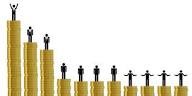
Economic inequality remains a significant issue in Kenya, shaping living standards, access to opportunities, and long-term development. While the country has experienced periods of economic growth, the distribution of wealth has not always been even. This imbalance highlights the importance of understanding how resources, income, and opportunities are shared across different segments of the population.
At its core, Economic Inequality refers to the uneven distribution of income and wealth within a society. In Kenya, disparities can be observed across regions, income groups, and social classes. Urban areas such as Nairobi often exhibit stark contrasts, where high-income neighborhoods exist alongside informal settlements with limited access to basic services.
One of the key drivers of inequality is unequal access to education and employment opportunities. Individuals with higher levels of education are more likely to secure formal employment and earn higher incomes. In contrast, those with limited access to quality education may rely on informal or low-paying jobs, which can perpetuate cycles of poverty. This gap in opportunity contributes to long-term differences in income and wealth accumulation.
Geographic disparities also play a major role. Certain regions benefit from better infrastructure, access to markets, and investment, while others remain underserved. These differences affect economic activity and income levels, leading to uneven development across the country. Rural areas, in particular, may face challenges such as limited access to financial services and fewer employment opportunities.


Another factor influencing wealth distribution is access to financial systems. Individuals and businesses with access to banking, credit, and investment opportunities are better positioned to grow their wealth. In Kenya, advancements in financial inclusion—partly driven by mobile money platforms—have helped bridge this gap, but disparities still exist, particularly among lower-income groups.
Asset ownership is also closely linked to inequality. Ownership of land, property, and financial assets allows individuals to generate income and build wealth over time. Those without such assets may find it difficult to improve their financial position, even with steady income. This creates a widening gap between asset owners and those who rely solely on earnings.
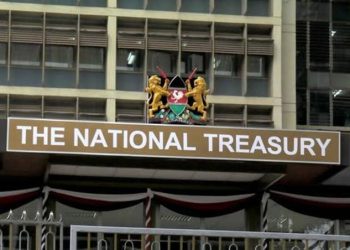
Government policies and taxation systems influence how wealth is distributed. Public spending on education, healthcare, and social programs can help reduce inequality by improving access to essential services. At the same time, tax policies can either support redistribution or reinforce existing disparities, depending on how they are structured and implemented.
Economic inequality has broader implications for society. High levels of inequality can limit social mobility, reduce economic participation, and create social tensions. It may also affect economic growth, as a large portion of the population may not have the resources to invest, consume, or contribute fully to the economy.
Despite these challenges, there are ongoing efforts to address inequality. Initiatives aimed at improving access to education, expanding financial inclusion, and supporting small businesses are contributing to more inclusive growth. However, achieving a more balanced distribution of wealth requires sustained policy efforts, investment in human capital, and inclusive economic strategies.
In conclusion, economic inequality and wealth distribution remain critical issues in Kenya’s development. While progress has been made in certain areas, disparities in income, opportunity, and asset ownership continue to shape economic outcomes. Addressing these challenges is essential for building a more inclusive and sustainable economy