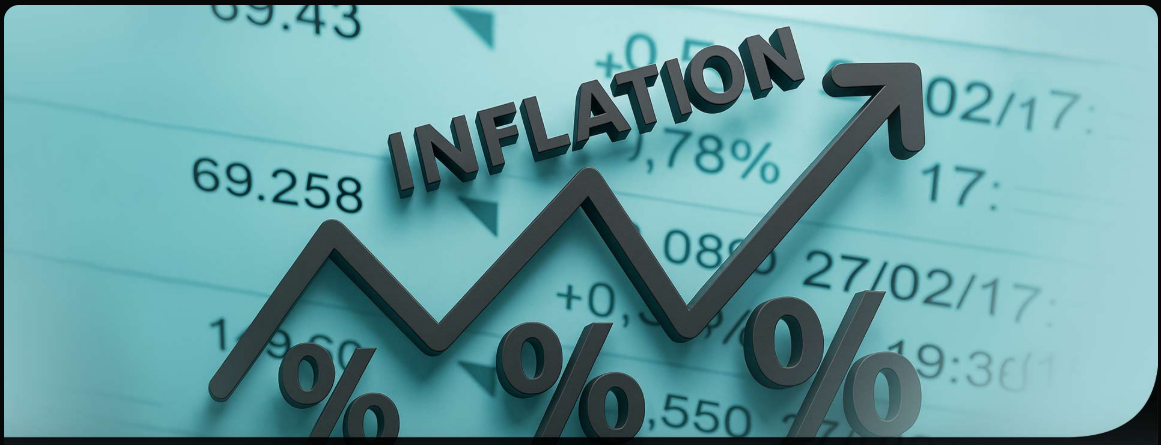
Inflation is one of the most closely monitored indicators of an economy’s health, influencing decisions by policymakers, businesses, and households alike. When inflation begins to moderate after a period of elevated price increases, it often signals improving macroeconomic stability. While moderate inflation is considered normal in a growing economy, sustained high inflation can disrupt planning, reduce purchasing power, and create uncertainty in financial markets. Therefore, signs that inflation is easing can offer reassurance that economic conditions are stabilizing.
A moderation in inflation typically reflects a balance between supply and demand within the economy. During periods of high inflation, demand for goods and services may outpace supply, leading to rapid price increases. Over time, policy measures such as tighter monetary policy, improved supply chains, and adjustments in consumer spending can contribute to slowing price growth. As these factors take effect, the rate at which prices rise begins to decline, indicating that economic pressures are gradually easing.
Stable inflation levels play a critical role in maintaining investor confidence. When price increases become more predictable, businesses are better able to plan production, pricing strategies, and long-term investments. Similarly, investors are more comfortable allocating capital in an environment where economic risks are perceived to be lower. Predictable inflation also helps financial institutions manage lending and borrowing activities more effectively, contributing to overall financial system stability.
For households, inflation moderation can bring a measure of relief, particularly after periods where rapid price increases erode purchasing power. While prices may still rise, a slower pace of increase allows incomes and savings to adjust more gradually. This can help stabilize consumption patterns and support steady economic activity. When households feel more secure about the future cost of living, they are more likely to maintain consistent spending habits, which contributes to sustained economic growth.


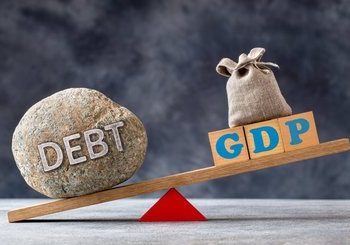
From a policy perspective, moderating inflation gives central banks greater flexibility in managing economic conditions. When inflation pressures begin to subside, policymakers may have more room to balance growth and price stability objectives. This environment can support gradual policy adjustments rather than aggressive interventions, reducing the risk of economic shocks. Stable inflation also allows governments to better manage fiscal planning, including public spending and debt management strategies.
However, inflation moderation does not necessarily mean that economic challenges have fully disappeared. External factors such as global commodity prices, currency fluctuations, and geopolitical developments can still influence price levels. Additionally, policymakers must remain vigilant to ensure that inflation does not fall too sharply, which could signal weakening demand or broader economic slowdown.
Overall, moderating inflation often indicates that economic forces are moving toward equilibrium. While maintaining price stability requires continuous monitoring and policy coordination, a steady decline in inflationary pressures generally points to a more stable macroeconomic environment. For businesses, investors, and households, this stability provides a foundation for planning, investment, and sustainable economic activity.