Sharp Daily
No Result
View All Result
Sunday, April 26, 2026
  • Home
  • News
    • Politics
  • Business
    • Banking
  • Investments
  • Technology
  • Startups
  • Real Estate
  • Features
  • Appointments
  • About Us
    • Meet The Team
Sharp Daily
  • Home
  • News
    • Politics
  • Business
    • Banking
  • Investments
  • Technology
  • Startups
  • Real Estate
  • Features
  • Appointments
  • About Us
    • Meet The Team
No Result
View All Result
Sharp Daily
No Result
View All Result
Home News

IMF greenlights 50% quota boost for global financial stability

Denis Kipruto by Denis Kipruto
December 20, 2023
in News
Reading Time: 2 mins read


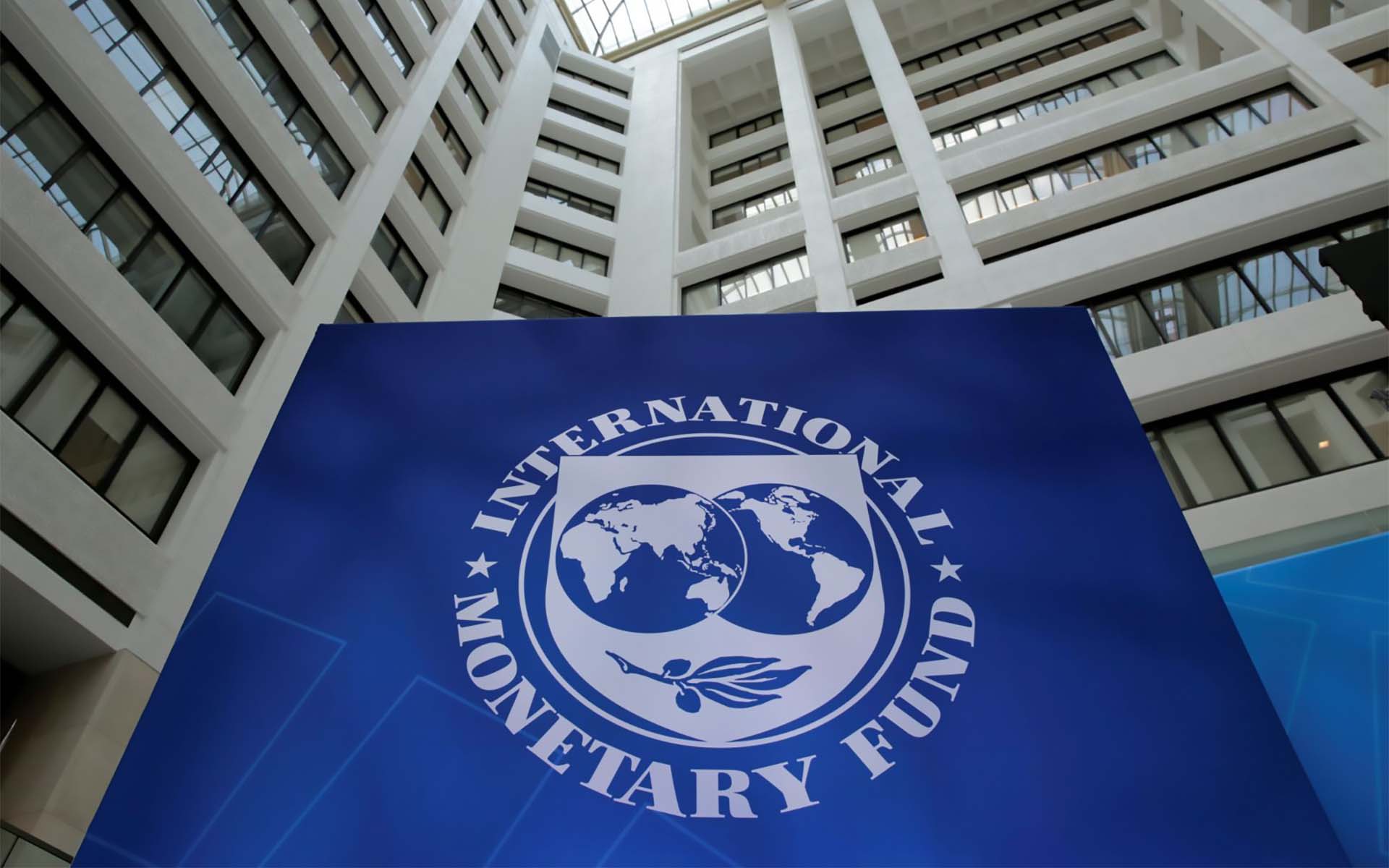
The International Monetary Fund (IMF) concluded its 16th General Review of Quotas on December 15, greenlighting a significant 50 percent increase in member quotas, totaling USD 960 billion from USD 659 billion.

This substantial augmentation was approved by a resounding 92.9% of the voting power, surpassing the required 85 percent threshold.

Quotas are the building blocks of the IMF’s financial and governance structure. Each member is assigned a quota that they pay when they become part of the organization.

RELATEDPOSTS

Kenya’s fiscal deficit to hit 6.4% of GDP in 2026, IMF warns

April 21, 2026
International Monetary Fund

How Kenya’s move away from IMF Loans could reshape its economic future

May 26, 2025

These quotas determine how much influence each country has on the IMF’s decisions and how much money they can access in times of need.

The decision, based on an Executive Board recommendation from November 7, focuses on sustaining the IMF’s lending capacity by reducing reliance on borrowed resources while incorporating the approved quota increase.

The IMF aims to reduce reliance on borrowed funds and gradually stop using bilateral borrowing agreements (BBAs).

Bilateral borrowing agreements are deals between the International Monetary Fund (IMF) and individual countries. These agreements allow the IMF to borrow money from these countries when needed.

“This 50% increase in the Fund’s permanent resources is a testament to the confidence our membership places in the IMF’s mission,” remarked Kristalina Georgieva.

“Reducing reliance on borrowed resources reaffirms quotas’ primary role in our lending capacity, positioning the IMF to safeguard global financial stability and respond effectively to members’ needs in times of uncertainty.”

The next steps involve member countries consenting to their respective quota increases. Many nations are expected to fulfill this by November 15, 2024, necessitating legislative action in numerous cases.

By consenting to this quota increase, Kenya might need to allocate more funds to the IMF. The latest data from the IMF indicates that Kenya currently has a quota of USD 542.8 million.

However, it remains to be seen how the IMF’s Executive Board will adjust these shares based on the increase.

“The Executive Board also recognized and informed the Board of Governors of the urgency and importance of quota share realignment to better reflect members’ relative positions in the world economy while protecting the quota shares of the poorest members,” the IMF press release stated.

“In this context, the Board of Governors asked for work to develop, by June 2025, possible approaches as a guide for further quota realignment, including through a new quota formula, under the 17th General Review of Quotas.”


Previous Post

Changamwe estate residents to face eviction in affordable housing initiative

Next Post

World Bank injects $250 million into Kenya’s public finance reforms

Denis Kipruto

Denis Kipruto

Related Posts

News

Land acquisition for first time owners

April 24, 2026
News

Trends in luxury real estate

April 24, 2026
News

Kenya’s Digital Tax Shift

April 24, 2026
News

KRA targets mobile money loopholes as informal sector tax crackdown intensifies

April 24, 2026
News

Liquidity-Led Gains or Fundamental Recovery? What Q1’2026 Reveals About the NSE

April 24, 2026
News

The role of external debt in economic development and financial stability

April 24, 2026

LATEST STORIES

How a regional refinery could reshape East Africa’s trade deficit

April 24, 2026

Land acquisition for first time owners

April 24, 2026

Trends in luxury real estate

April 24, 2026

NSSF remittances and the case for Tier II planning

April 24, 2026

Why Employers Should Join the Cytonn Umbrella Retirement Benefits Scheme

April 24, 2026

Strategic deleveraging is the reset CIC Group needed

April 24, 2026

Kenya’s Digital Tax Shift

April 24, 2026

Michael debut signals strong market demand for music biopics despite industry pressures

April 24, 2026
  • About Us
  • Meet The Team
  • Careers
  • Privacy Policy
  • Terms and Conditions
Email us: editor@thesharpdaily.com

Sharp Daily © 2024

No Result
View All Result
  • Home
  • News
    • Politics
  • Business
    • Banking
  • Investments
  • Technology
  • Startups
  • Real Estate
  • Features
  • Appointments
  • About Us
    • Meet The Team

Sharp Daily © 2024