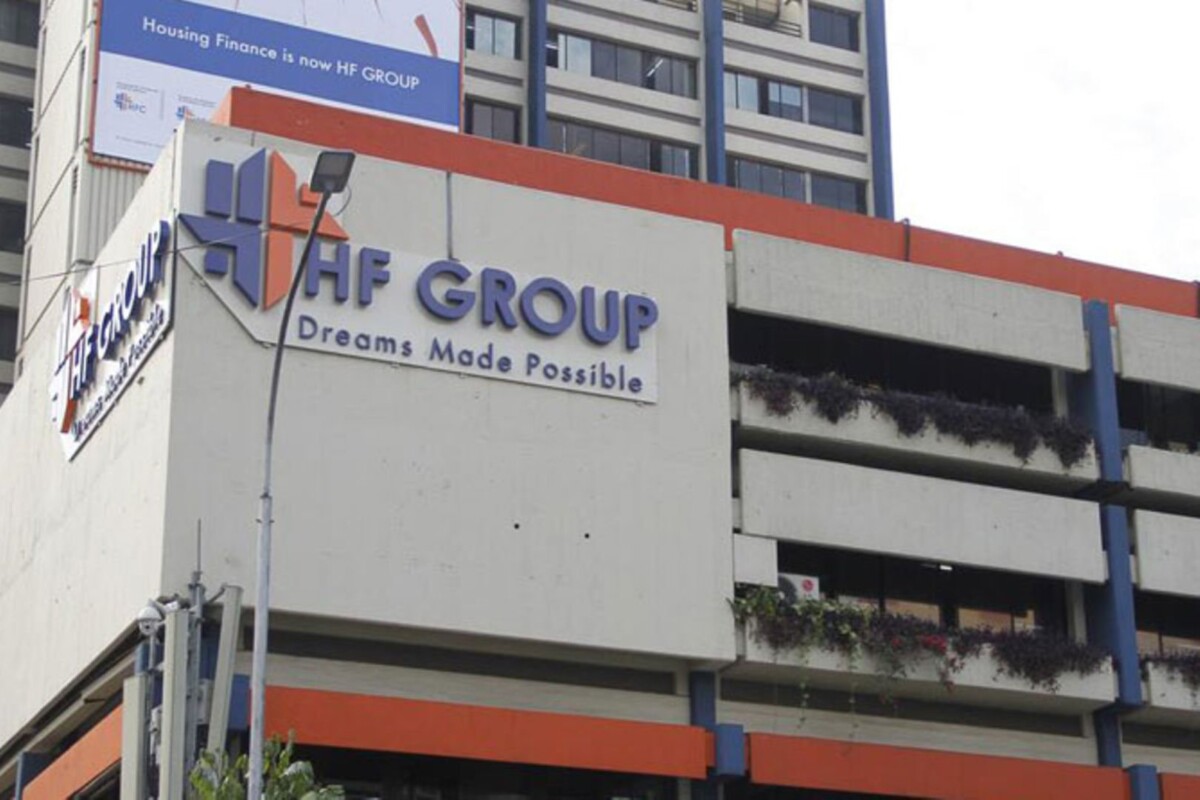
HFCB has allocated a Sh1 billion equity stake to its employees through an Employee Share Ownership Plan (ESOP), making staff collectively the bank’s fifth-largest shareholder. The move is aimed at strengthening employee commitment, rewarding performance, and aligning the interests of employees with the bank’s long-term growth strategy. The allocation gives employees ownership of approximately 94.36 million shares, representing a 4.77% stake in the listed lender. The shares were issued following shareholder approval of the revamped ESOP and the necessary regulatory approvals, increasing the bank’s total issued share capital. Based on the bank’s current share price, the employee-held stake is valued at roughly Sh1 billion. The programme places HFCB employees among the institution’s largest shareholders and reflects a growing trend among listed companies to use equity ownership as part of employee reward and retention strategies.
The issuance of new shares has resulted in a slight dilution of existing shareholders’ ownership. However, Britam Holdings remains HFCB’s largest shareholder despite its percentage stake reducing after the increase in the bank’s share capital. Other major shareholders have also experienced proportional reductions in their ownership levels as a result of the expanded share base. The Employee Share Ownership Plan will see shares allocated to eligible employees based on performance and other criteria outlined in the scheme. The board has the authority to distribute the shares over a five-year period while ensuring employee ownership remains within the approved threshold. This phased allocation is intended to encourage sustained performance and long-term commitment rather than short-term gains.
Employee share ownership plans have become an important tool for companies seeking to attract and retain skilled professionals in increasingly competitive industries. By allowing employees to become shareholders, businesses create stronger alignment between individual performance and overall corporate success. Employees benefit directly from improvements in the company’s financial performance and share price, creating an additional incentive to contribute to the organisation’s long-term objectives. For HFCB, the initiative forms part of its broader efforts to strengthen its corporate culture and support sustainable growth. Employee ownership is expected to enhance accountability, improve engagement, and foster a greater sense of responsibility among staff. It also reinforces the bank’s focus on building long-term value for both employees and shareholders.
The move comes at a time when many listed companies are reviewing their compensation structures to remain competitive in attracting and retaining top talent. Beyond traditional salaries and bonuses, equity-based incentives are increasingly viewed as an effective way to encourage loyalty while linking employee rewards to business performance. As Kenya’s financial services sector continues to evolve, employee ownership programmes are likely to become more common, particularly among listed institutions seeking to strengthen governance, improve productivity, and create shared value. HFCB’s Sh1 billion staff share allocation highlights the growing role of equity incentives in shaping modern workforce strategies while reinforcing the principle that employees can play a direct role in the long-term success of the organisations they serve.