Sharp Daily
No Result
View All Result
Friday, August 21, 2026
  • Home
  • News
    • Politics
  • Business
    • Banking
  • Investments
  • Technology
  • Startups
  • Real Estate
  • Features
  • Appointments
  • About Us
    • Meet The Team
Sharp Daily
  • Home
  • News
    • Politics
  • Business
    • Banking
  • Investments
  • Technology
  • Startups
  • Real Estate
  • Features
  • Appointments
  • About Us
    • Meet The Team
No Result
View All Result
Sharp Daily
No Result
View All Result
Home Real Estate

Gully trap essentials: A guide to preventing foul odours and insects

Solomon Kimani by Solomon Kimani
July 18, 2024
in Real Estate
Reading Time: 2 mins read

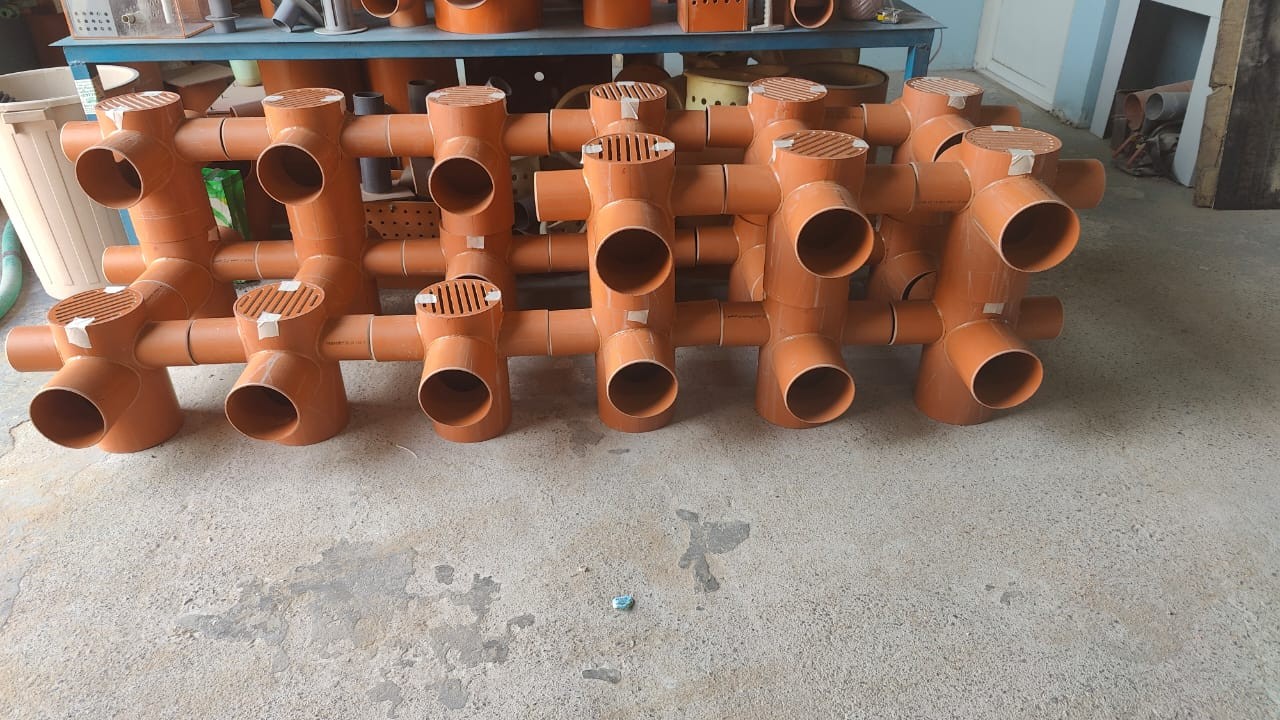
A gully trap is a basin-like plumbing installation in the ground which receives piped wastewater from the kitchen, bathroom, and laundry before it is emptied into the sewer. It is sometimes used for rainwater downpipes at ground level before connecting to the stormwater drain. It is an integral part of the drainage system, especially for small household units with no more than two storeys.

A gully trap prevents foul gases from entering the building by providing a water seal. It functions similarly to a bottle trap. It is designed to retain a small quantity of wastewater from the discharge of the fitting to which it is attached, thereby preventing foul odours from entering the building. This seal also prevents bugs and insects from the sewer line from entering wastewater pipes. The water seal typically has a minimum depth of 50mm, and the trap’s diameter should not be smaller than the diameter of the outlet of the fixture to which it is connected.

To further reduce kitchen foul smells, it is essential to ensure that the gully trap is properly maintained. Regular cleaning of the gully trap helps to remove any accumulated debris that might otherwise contribute to odours. Additionally, ensuring that the water seal is maintained by periodically running water through the system can help prevent the seal from drying out and losing its effectiveness.

Proper installation of gully traps also involves ensuring they are positioned correctly. They should be located in areas where they can easily collect wastewater from the kitchen, bathroom, and laundry, and where they can be easily accessed for maintenance.

RELATEDPOSTS

No Content Available

In summary, using gully traps is an effective method for reducing kitchen foul smells in residential buildings. By maintaining a water seal, they prevent the ingress of foul gases and pests, thereby improving the overall hygiene and comfort of the home. Regular maintenance and proper installation are key to ensuring that gully traps function effectively and continue to provide this essential service.


Previous Post

IG Kirocho announces protest ban in Nairobi’s CBD

Next Post

Choosing between ordinary and preference shares

Solomon Kimani

Solomon Kimani

Related Posts

News

Muguku family puts Waterfront Karen Mall up for sale in multi-billion shilling deal

July 22, 2026
News

Why Kenya’s apartment prices keep falling while standalone homes surge

July 17, 2026
Real Estate

Nairobi’s Railway Revival Promises Relief from Gridlock and Supports Ordered Urban Growth

July 17, 2026
Real Estate

High Interest Rates, Oversupply and Poor Planning Drive Surge in Real Estate Loan Defaults in Kenya

July 10, 2026
Investments

Kenya’s REIT market does not need more hype ; It needs better structure

July 10, 2026
News

Nairobi satellite town land price growth slows as affordability pressures reshape market dynamics

May 4, 2026

LATEST STORIES

Why Kenya’s capital gains tax collections just hit a record Sh26.8 billion

August 20, 2026

Kenya’s banks lend KSh 245.1 billion to MSMEs in H1 2026

August 20, 2026

Global payment firms restrict services to Kenya amid money laundering scrutiny

August 20, 2026

YouTube to count views from the first frame starting August 24

August 18, 2026

Kenya’s Sh1 trillion trade deficit: Why the import bill is becoming a bigger problem

August 18, 2026
John Mbadi, Kenya's treasury secretary, during an interview in Nairobi, Kenya, on Wednesday, Aug. 20, 2025. Kenya is in talks with China to convert dollar-denominated debt the East African nation owes its biggest bilateral lender to yuan and extend the repayment period, Mbadi said. Photographer: Kang-Chun Cheng/Bloomberg via Getty Images

Treasury’s Sh78.6 billion tax cut: relief or more government borrowing?

August 17, 2026

YouTube doubles watch hour requirements for partner program

August 17, 2026

NSSF Eyes Global Markets

August 17, 2026
  • About Us
  • Meet The Team
  • Careers
  • Privacy Policy
  • Terms and Conditions
Email us: editor@thesharpdaily.com

Sharp Daily © 2024

No Result
View All Result
  • Home
  • News
    • Politics
  • Business
    • Banking
  • Investments
  • Technology
  • Startups
  • Real Estate
  • Features
  • Appointments
  • About Us
    • Meet The Team

Sharp Daily © 2024