Global interest rate movements have significant implications for economies around the world, particularly for emerging markets such as Kenya. Changes in interest rate policies in major economies often influence global financial conditions, affecting capital flows, exchange rates, borrowing costs, and investment decisions. As financial markets become increasingly interconnected, shifts in global monetary policy can transmit effects beyond national borders, shaping macroeconomic conditions in smaller economies.
In recent years, central banks in advanced economies have adjusted their policy rates in response to inflationary pressures, economic recovery, and financial stability concerns. These policy changes influence global liquidity conditions and the cost of capital. When interest rates rise in major economies, international investors may redirect capital toward markets that offer relatively higher or safer returns. This movement of capital can reduce financial inflows into emerging markets, including Kenya, potentially affecting domestic investment and currency stability.
One of the primary channels through which global interest rate trends affect Kenya is capital flows. International investors often allocate funds across global markets based on relative interest rates and risk perceptions. When rates increase in advanced economies, investments in emerging markets may become comparatively less attractive. This can lead to capital outflows or reduced inflows, which may place pressure on financial markets and domestic currency stability.
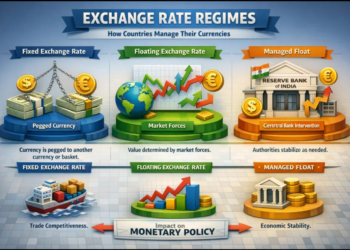
Exchange rate dynamics are another important area influenced by global interest rate trends. Changes in capital flows can affect demand for a country’s currency in foreign exchange markets. If investors shift funds toward higher-yielding assets in advanced economies, currencies in emerging markets may face depreciation pressures. For Kenya, currency movements can influence import costs, inflation levels, and external debt servicing obligations, particularly where debt is denominated in foreign currencies.


Global interest rate changes can also affect the cost of borrowing for governments and businesses. When global financial conditions tighten, international borrowing becomes more expensive. This may impact the ability of governments and corporations to access external financing at favorable rates. For economies with significant external borrowing needs, higher global interest rates can increase debt servicing costs and influence fiscal planning.
Domestic monetary policy often responds to these external developments. Central banks in emerging markets may adjust their policy rates to manage inflation, stabilize currencies, or maintain investor confidence. These adjustments are typically aimed at balancing domestic economic priorities with evolving global financial conditions.
Trade and investment channels may also transmit spillover effects. Changes in global interest rates can influence economic growth in major economies, which in turn affects demand for exports from emerging markets. For Kenya, shifts in global growth patterns may affect sectors linked to international trade, tourism, and commodity exports.
Overall, global interest rate trends illustrate the interconnected nature of modern financial systems. For Kenya, monitoring international monetary policy developments remains important for maintaining macroeconomic stability and guiding domestic economic policy. While global factors can introduce challenges, prudent fiscal management, diversified economic activity, and responsive monetary policy can help mitigate the potential impact of external financial shocks.