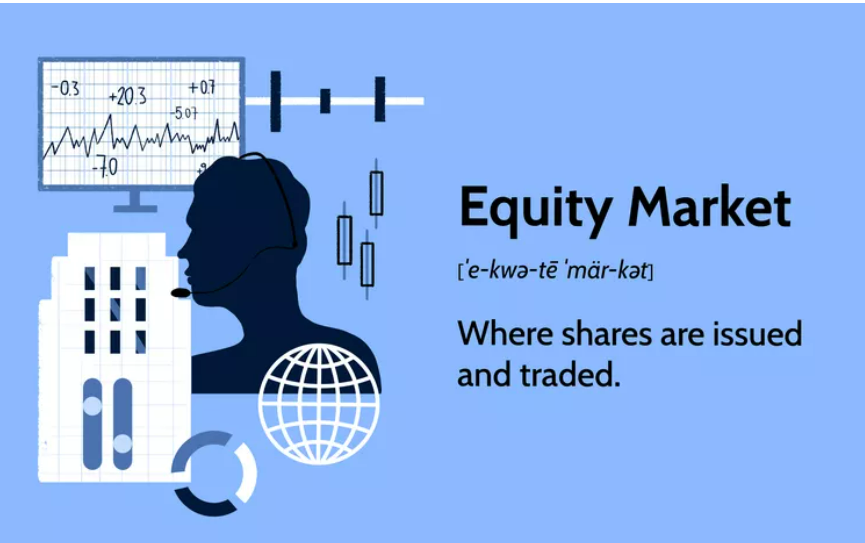
Equity markets in emerging economies continue to play a significant role in capital formation, offering investors exposure to growth opportunities across diverse sectors. The performance of these markets is often closely linked to broader macroeconomic conditions, corporate earnings, and investor sentiment. Understanding how these factors interact is essential for evaluating market trends and making informed investment decisions.
Equity market performance is primarily driven by company fundamentals, including profitability, revenue growth, and balance sheet strength. When firms report strong financial results, their stock prices tend to rise, reflecting positive investor expectations about future performance. Conversely, weaker earnings or economic uncertainty can lead to declining stock prices. In emerging markets, where companies are often in growth phases, equity valuations may also be influenced by long-term expansion prospects rather than short-term profitability.
Investor sentiment plays a critical role in shaping market movements. Positive sentiment, often driven by stable economic conditions, policy clarity, and improving business environments, can lead to increased demand for equities. This demand pushes stock prices higher and supports overall market growth. On the other hand, negative sentiment arising from political uncertainty, inflation concerns, or global financial volatility can result in reduced investor participation and declining market indices.
Macroeconomic factors such as interest rates and inflation also influence equity markets. Lower interest rates tend to make equities more attractive compared to fixed income investments, as investors seek higher returns. Additionally, stable inflation supports predictable business costs and consumer spending, which can enhance corporate earnings. However, high inflation or rising interest rates may increase borrowing costs for companies and reduce consumer purchasing power, potentially affecting stock market performance.


Foreign investment is another important driver of equity market activity in emerging economies. International investors often allocate capital based on risk-return considerations, economic growth prospects, and currency stability. Increased foreign inflows can boost market liquidity and support stock valuations, while capital outflows may lead to market volatility. Exchange rate movements can further influence returns for foreign investors, affecting their investment decisions.
Sectoral dynamics also contribute to overall market performance. Certain sectors, such as banking, telecommunications, and consumer goods, often have a significant weight in emerging market indices. Performance in these sectors can therefore have a substantial impact on overall market trends. Additionally, sectors linked to technological innovation and digital transformation are increasingly influencing equity market growth.
Market liquidity and regulatory frameworks are equally important in shaping investor confidence. Transparent trading systems, strong regulatory oversight, and efficient market infrastructure contribute to a stable investment environment. When investors perceive a market as well-regulated and accessible, participation tends to increase, supporting long-term growth.
Overall, equity market performance in emerging markets reflects a combination of economic fundamentals, investor sentiment, and external influences. While these markets can experience periods of volatility, they also offer opportunities for growth and diversification. By analyzing these dynamics, investors can better understand market trends and position their portfolios to align with evolving economic conditions.