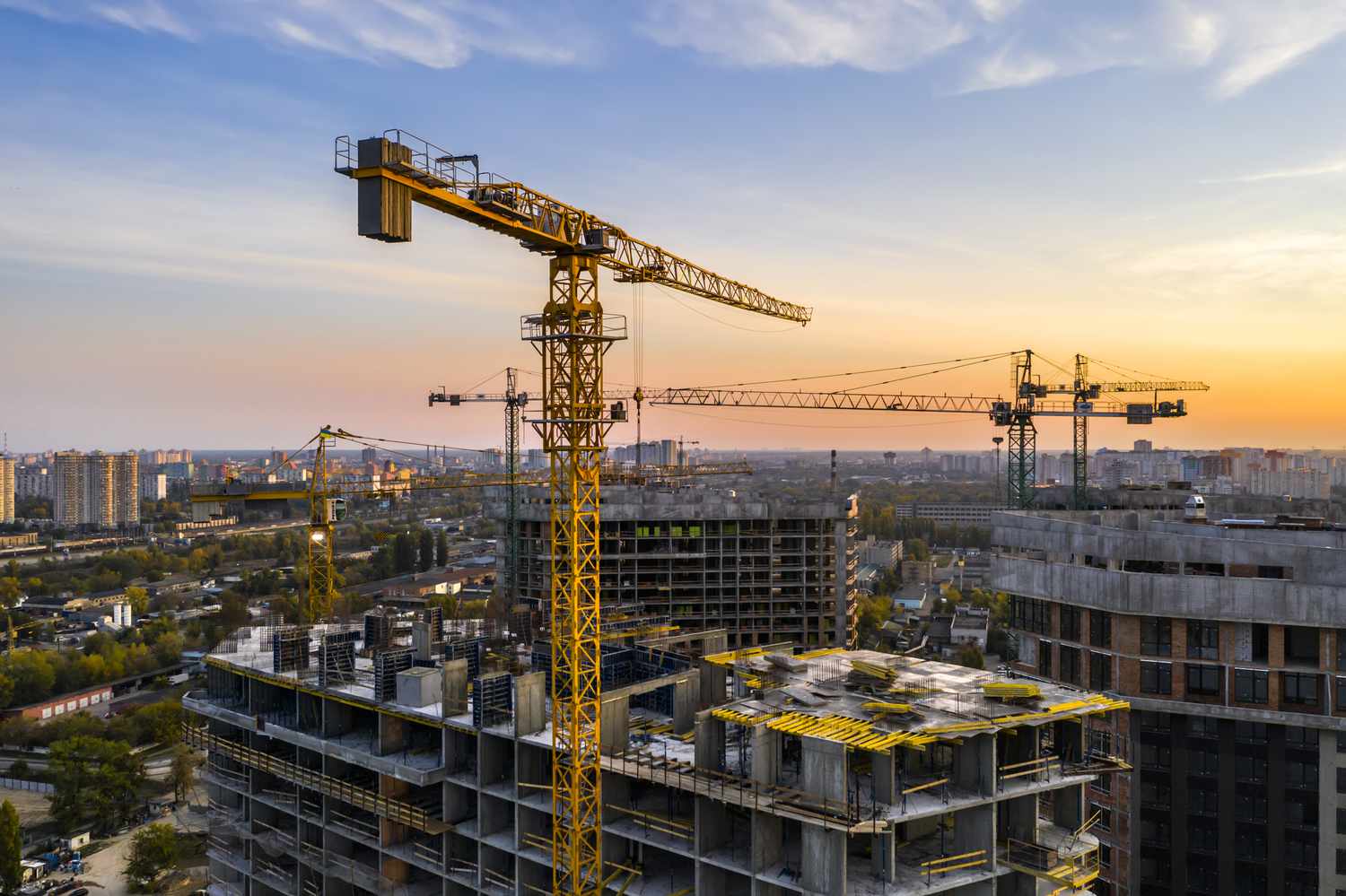
The construction and real estate industries have a profound impact on the environment. However, a growing body of research and awareness has shifted attention to embodied carbon. What is embodied carbon? Embodied carbon is the carbon dioxide (CO₂) emissions associated with materials and construction processes throughout the whole lifecycle of a building or infrastructure.
Embodied carbon encompasses all CO₂ emissions generated during the production of building materials, including raw material extraction, transportation to manufacturing sites, and the manufacturing process itself. It also includes the emissions from transporting these materials to the construction site and the construction practices employed.
In essence, embodied carbon represents the carbon footprint of a building or infrastructure project prior to its operational phase. This concept also covers the CO₂ emissions resulting from the building’s maintenance, eventual demolition, waste transportation, and recycling. Embodied carbon differs from operational carbon, which refers to the emissions from energy usage, heating, and lighting during the building’s use.
According to a report by PWC, of the 39.0% of global emissions attributable to buildings annually, 28.0% is from operational carbon and 11.0% is from embodied carbon. Additionally, between now and 2060, global developers will be doubling the amount of building floor space, which is comparable to constructing a new New York City every month for the next 40 years. A substantial part of the carbon footprint for these new structures will be due to embodied carbon. Additionally, embodied carbon will significantly contribute to the emissions of existing buildings through activities such as fit-outs, renovations, replacements of mechanical, electrical, and plumbing systems, and demolition.

It remains imperative to adopt approaches aimed at reducing embodied carbon. Some of the ways to reduce embodied carbon include designing for material efficiency. Aligning the building’s structural system can reduce or eliminate the need for transfer slabs, which require a significant amount of high-emission concrete materials. Structural optimization enables designers to use materials more efficiently, resulting in both carbon and cost savings.
Constructing with lower carbon materials can greatly diminish a building’s embodied carbon. This can be achieved by opting for low carbon concrete or alternative structural systems such as mass timber or hollow core slabs. Replacing XPS insulation with alternatives like NGX insulation can also decrease embodied carbon. Furthermore, using steel produced in an electric arc furnace and composed of a high percentage of recycled content can significantly lower the overall embodied carbon.
The escalating impacts of climate change underscore the urgent need to drastically cut carbon emissions. This urgency is further amplified when considering the substantial contribution of buildings to global carbon emissions. To effectively reduce embodied carbon, it is crucial to start by measuring and tracking these emissions. This foundational step is essential for devising a comprehensive strategy aimed at mitigating the carbon footprint of the construction and real estate sectors. By systematically quantifying and analyzing embodied carbon, stakeholders can identify key areas for improvement, implement targeted interventions, and ultimately achieve more sustainable building practices.