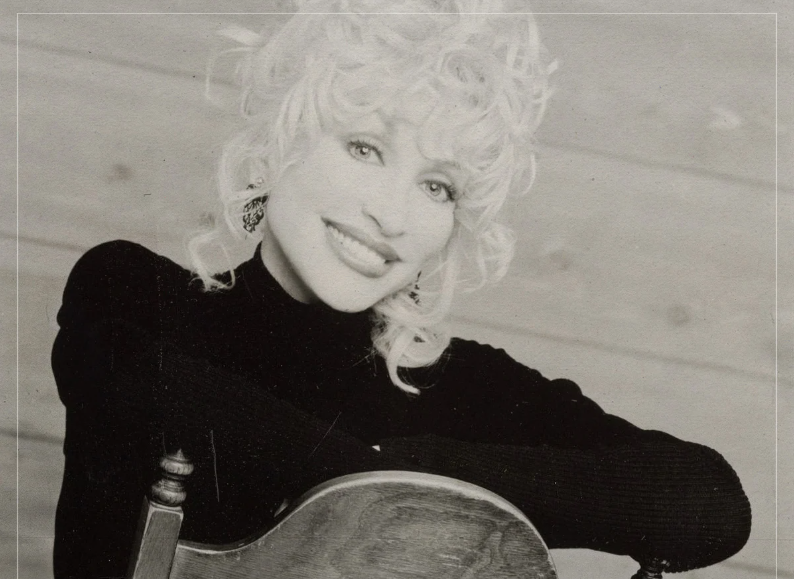
Dolly Parton built a career so large that her death is not simply the end of a music era, it is the passing of a cultural institution. The country music legend died on August 25, 2026, aged 80, in Nashville after a brief battle with cancer. Her representatives said she was surrounded by loved ones, although the specific type of cancer was not disclosed.
Parton’s story was remarkable because her success began far from the glamour that eventually defined her public image. Born in 1946 in rural Tennessee, she grew up in a poor family and was raised in a small cabin with her siblings. Music became her route out of poverty, with songwriting emerging as the foundation of a career that would eventually span almost six decades.
Her breakthrough came after joining The Porter Wagoner Show in 1967, but Parton eventually established herself as a solo performer and songwriter. Songs such as “Jolene,” “9 to 5” and “I Will Always Love You” turned her into an international star, while her songwriting earned her recognition far beyond the country music audience. She wrote nearly 3,000 songs, sold more than 100 million records and collected 11 Grammy Awards, demonstrating the extraordinary scale of her influence.
But Parton’s greatest achievement may have been her ability to turn fame into a diversified empire. She retained rights to much of her music, generating substantial royalty income, while building businesses across entertainment, tourism and consumer products. Her 50 percent stake in Dollywood, which attracts millions of visitors annually, became one of the most visible extensions of her brand. Forbes valued her fortune at about $450 million in 2025.


Her influence also extended well beyond entertainment. Through the Dolly Parton’s Imagination Library, she supported childhood literacy by providing books to children, while her philanthropy also included $1 million toward COVID-19 vaccine research and support for other humanitarian causes.
Perhaps what made Parton particularly unusual was the breadth of her appeal. She was simultaneously a country singer, Hollywood actress, businesswoman, philanthropist and cultural personality whose distinctive appearance became inseparable from her identity. Her success also challenged expectations about what a female country performer could build in an industry historically dominated by men.
Her death comes as several projects connected to her legacy remain in motion. A musical based on her life, “Dolly: A True Original Musical,” is scheduled to move to Broadway, while her businesses and philanthropic initiatives are expected to continue carrying her name.
Dolly Parton therefore leaves behind more than a catalogue of hit songs. She demonstrated how talent could become intellectual property, intellectual property could become wealth, and wealth could be converted into businesses and philanthropy. Her journey from rural Tennessee poverty to global fame was itself extraordinary but her ability to build a legacy capable of continuing without her may ultimately be her most enduring achievement.