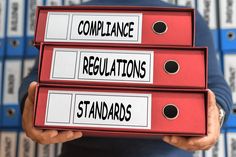
For many Kenyan investors, choosing a broker often comes down to comparing trading platforms, spreads, commissions and promotional offers. However, the broker itself can materially influence an investor’s risk exposure, transaction costs and access to investor protections. A platform with competitive pricing or an attractive interface may not necessarily offer the strongest regulatory oversight, operational reliability or transparency. As participation in online trading expands, assessing the underlying broker has become an important part of investment risk management.
The first consideration should be regulation. Kenya’s Capital Markets Authority (CMA) maintains a public register of licensed market intermediaries, including stockbrokers, investment banks and online foreign exchange brokers. Investors can use the register to verify whether the entity offering investment services holds the relevant licence. This distinction matters because dealing with an unlicensed firm can expose investors to additional risks and may limit access to protections available under Kenya’s capital-markets regulatory framework.
The CMA currently lists licensed online foreign exchange brokers including FX Pesa, Pepperstone Markets Kenya and HFM Investments, among others. However, an international brand name does not automatically confirm that the specific entity serving a Kenyan investor operates under local regulation. Investors should therefore verify the exact legal entity, rather than relying solely on the broker’s brand name or website.
A second risk involves cost transparency. Brokers may advertise low or zero commissions while generating revenue through other charges. These can include wider spreads, overnight or financing costs, currency-conversion charges and other transaction-related fees. For active traders, small differences in trading costs can accumulate significantly over time and reduce net returns. Investors should therefore examine the full fee structure and understand the total cost of executing and maintaining positions before selecting a broker.

Counterparty and operational risk also deserve attention. Investors should establish where their funds and securities are held, whether a separate custodian manages client assets, how withdrawals work and what procedures apply if the broker experiences financial or operational difficulties. The regulatory framework governing capital-markets intermediaries includes requirements relating to areas such as client accounts, record keeping and reporting. Understanding these arrangements can help investors assess the level of protection surrounding their assets.
The risks become more significant when traders use leveraged products such as foreign exchange and contracts for difference (CFDs). Leverage allows investors to control positions larger than their initial capital, but it also magnifies losses. Consequently, relatively small movements in an underlying asset can produce substantial gains or losses relative to the trader’s initial investment. The attractiveness of high potential returns should therefore be assessed alongside the possibility of rapid capital erosion.
Another area requiring caution is aggressive marketing and unrealistic return expectations. Promotional campaigns can emphasize potential profits while giving less attention to market volatility, leverage and the possibility of losses. The CMA has repeatedly cautioned investors about unlicensed entities and unregulated investment products, reinforcing the importance of conducting independent verification before transferring funds.
Ultimately, choosing a broker should form part of an investor’s broader risk-management process, rather than simply a search for the lowest trading costs. Regulation, the specific legal entity, custody arrangements, financial strength, fee transparency, execution quality, operational reliability and investor protection all influence the overall risk of a trading relationship.
For Kenyan traders, the practical approach is straightforward: verify the broker, understand the costs and assess the protections before committing capital. A rigorous broker-selection process can help investors avoid risks that may remain hidden behind competitive spreads, attractive platforms and promotional offers.