Sharp Daily
No Result
View All Result
Wednesday, April 29, 2026
  • Home
  • News
    • Politics
  • Business
    • Banking
  • Investments
  • Technology
  • Startups
  • Real Estate
  • Features
  • Appointments
  • About Us
    • Meet The Team
Sharp Daily
  • Home
  • News
    • Politics
  • Business
    • Banking
  • Investments
  • Technology
  • Startups
  • Real Estate
  • Features
  • Appointments
  • About Us
    • Meet The Team
No Result
View All Result
Sharp Daily
No Result
View All Result
Home News

Cheaper Licit Alcohol, Less Illicit Brews?

Anslem Murimi by Anslem Murimi
February 17, 2023
in News
Reading Time: 3 mins read
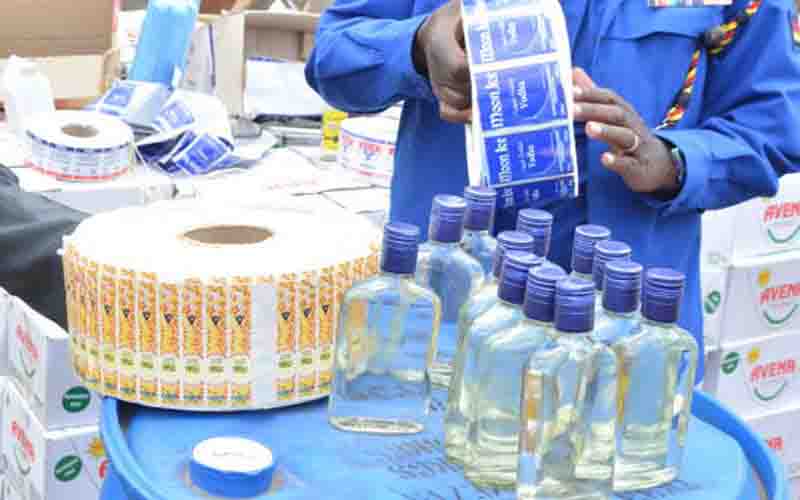
Counterfeit alcohol nabbed by police and KRA

Counterfeit alcohol nabbed by police and KRA [Photo/Courtesy]

Methanol poisoning is a possible occurrence from the ingestion of ‘chang’aa’, Kenya’s most common surrogate alcohol, and is caused by the conversion of methanol to toxic chemical formate.

A common solution to methanol poisoning is the ingestion of ethanol, which stops this conversion. 

Ingestion of “normal” alcoholic beverages, which contain ethanol and no methanol, can therefore provide relief to those suffering methanol poisoning, one of the consequences of ingesting illicit alcoholic beverages such as ‘chang’aa’.

Similarly, the availability of affordable, well-regulated alcoholic beverages has the potential to be a solution to Kenya’s illicit brews problem.

RELATEDPOSTS

Kenya’s 15% minimum tax on multinationals: What it means and why it matters

April 20, 2026

Why KRA can now tax income earned abroad if work is managed from Kenya

April 14, 2026

The substitution effect is the change in demand for a product as a result of a change in the relative price of the good compared to that of a substitute good i.e. if a product becomes more expensive relative to a substitute, some consumers will consume less of the product and more of the substitute. 

As taxes on alcohol increase, not all alcohol is affected equally. Licit alcoholic beverages increase in price as producers pass on increased taxes to consumers while illicit alcoholic beverages, which are not taxed, maintain their low prices.

This means the price of legal alcoholic drinks increases relative to that of illicit brews, leading to substitution by some consumers from consumption of the former to consumption of the latter.

According to Retail Trade Association of Kenya CEO Wambui Mbarire, “repeated tax increases on alcohol, for example, have created a situation whereby nearly half, about 44 percent of the alcohol consumed in Kenya is illicit.” 

Read: EABL Breaks Ground For The Construction Of Ksh1 Billion Microbrewery In Ruaraka

This substitution effect is also shown by Kenyans in border towns, who are willing to cross the border to buy alcoholic beverages which are more affordable in Uganda and Tanzania.

Moreover, there are reports of market dominance, in low-income estates such as Dandora and Mwiki, of cheap spirits that sell 250ml bottles of spirits for KES 120 against typical prices of KES 200 to KES 255 by evading taxes, providing competitive pricing. 

As these untaxed spirits also count as illicit alcohol consumption due to the lack of regulation, they provide a clear example through which we can observe the economic theory behind this.

Sin tax detaches product price from economic reality, creating a profit margin that traffickers in the black market grab as it exceeds the risks and costs of getting caught.

By reducing the taxes on alcohol, legal and well-regulated alcoholic beverages can be priced competitively against illicit brews, reducing consumption of the latter by incentivizing low-income earners to avoid consuming them.

Email your news TIPS to editor@thesharpdaily.com

Previous Post

How Poor Health Affects The Economy Of A Country

Next Post

We Expect A Continued Depreciation Of The Shilling-Cytonn Report

Anslem Murimi

Anslem Murimi

Related Posts

News

Electrifying the SGR(Standard Gauge Railway): Kenya’s next big rail bet could redefine regional trade

April 28, 2026
News

The role of credit ratings in investment risk assessment

April 28, 2026
News

Kenya’s $750 million world bank loan hinges on policy reforms amid fiscal pressures

April 27, 2026
News

The importance of asset allocation in long-term investment strategy

April 27, 2026
News

Sawe’s 1:59:30 breaks two hours record ; now Kenyan athletics face a new financial reality

April 27, 2026
News

Land acquisition for first time owners

April 24, 2026

LATEST STORIES

What Kenyan taxpayers must do before KRA’s 2026 filing season closes

April 28, 2026

Electrifying the SGR(Standard Gauge Railway): Kenya’s next big rail bet could redefine regional trade

April 28, 2026

The role of credit ratings in investment risk assessment

April 28, 2026

Why Kenyans are shifting to life insurance over general insurance

April 27, 2026

Kenya’s $750 million world bank loan hinges on policy reforms amid fiscal pressures

April 27, 2026

The importance of asset allocation in long-term investment strategy

April 27, 2026

Sawe’s 1:59:30 breaks two hours record ; now Kenyan athletics face a new financial reality

April 27, 2026

How a regional refinery could reshape East Africa’s trade deficit

April 24, 2026
  • About Us
  • Meet The Team
  • Careers
  • Privacy Policy
  • Terms and Conditions
Email us: editor@thesharpdaily.com

Sharp Daily © 2024

No Result
View All Result
  • Home
  • News
    • Politics
  • Business
    • Banking
  • Investments
  • Technology
  • Startups
  • Real Estate
  • Features
  • Appointments
  • About Us
    • Meet The Team

Sharp Daily © 2024