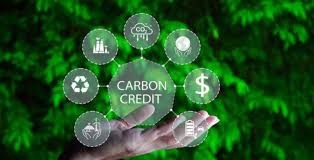
Kenya is widely recognized as a leading carbon credit producer in Africa, leveraging its forests, renewable energy projects, and land-use initiatives to generate credits that are traded globally. Forestry and land-use projects have accounted for billions of credits, and Kenya ranks among the top African countries in voluntary carbon markets. Domestic data suggest the contribution of carbon projects, including renewable energy and conservation, has grown significantly, indicating a potentially valuable climate-linked revenue stream for the economy.
In 2023 alone, Kenya produced millions of carbon credits across agriculture, forestry, and renewable energy projects, and acted as a major issuer in voluntary market registries. These credits are sold to corporations or countries seeking to offset emissions. Kenya’s legal and institutional frameworks have evolved with the 2023 Climate Change Act and related regulations, creating structures for project registration, benefit-sharing, and international cooperation.


Yet despite these developments, the market’s maturity is mixed. The majority of carbon trading activity in Kenya operates on voluntary markets, where buyers like multinational corporations purchase credits to meet internal climate goals rather than regulatory mandates. While global voluntary carbon markets have grown substantially, they remain subject to price volatility, differing standards, and varying degrees of verification. As prices in voluntary markets fluctuate, typically ranging widely by project type and certification, predictability and scaling can be challenging for host countries.
A more nuanced concern relates to who benefits most from the carbon economy. Many of the largest projects in Kenya are developed and financed by international firms or foreign consultants, with local communities often involved primarily as land stewards or project participants. Critics argue that this dynamic can limit local economic capture, with a disproportionate share of financial value accruing to project developers or external buyers. In some cases, community engagement and benefit-sharing arrangements are still evolving, and equitable distribution of revenue remains a key policy challenge.
Even though Kenya has taken significant steps to create regulatory structures and attract investment, the domestic carbon market is still emerging rather than fully mature. The presence of a national carbon registry, benefit-sharing frameworks, and increasing project diversity suggests progress. However, market depth, price discovery mechanisms, and active participation by local financial institutions remain limited compared with international players.
In short, carbon credits in Kenya represent a real and potentially impactful climate finance tool. They contribute to conservation goals and bring external revenue into the country. However, the market’s current configuration leans heavily on foreign investment and international demand. For Kenya to achieve broader economic gains, it will need deeper domestic integration of carbon finance, stronger local participation in project design and trading, and enhanced transparency so that climate action delivers sustainable economic value for Kenyan communities as well as global buyers.
Start your investment journey today with the Cytonn Money Market Fund. Call + 254 (0)709101200 or email sales@cytonn.com