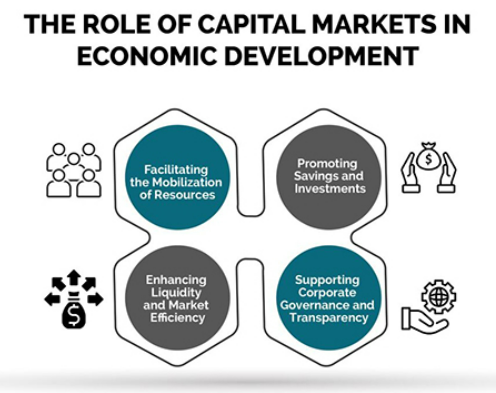
Capital market development is a key component of a well-functioning financial system, providing a platform where long-term funds are mobilized and allocated efficiently across the economy. These markets, which include equity and bond markets, enable governments, corporations, and other institutions to raise capital for investment and expansion. As economies evolve, the depth and efficiency of capital markets often play a crucial role in supporting sustainable economic growth.
One of the primary functions of capital markets is to facilitate the transfer of savings into productive investments. Individuals and institutions with surplus funds can invest in financial instruments such as stocks and bonds, while businesses and governments access these funds to finance projects. This process supports capital formation, enabling firms to expand operations, invest in innovation, and improve productivity. In turn, increased investment contributes to job creation and higher economic output.
Developed capital markets also enhance liquidity, allowing investors to buy and sell financial assets with relative ease. Liquidity reduces the cost of investing and provides flexibility, making financial markets more attractive to both domestic and international investors. When investors are confident that they can enter and exit positions efficiently, participation in the market tends to increase, further strengthening market depth.
Another important aspect of capital market development is price discovery. Through the interaction of buyers and sellers, asset prices reflect available information about economic conditions, corporate performance, and future expectations. Efficient price discovery helps allocate resources to the most productive sectors of the economy, as capital flows toward investments that offer higher potential returns relative to risk.


Capital markets also support risk management by providing a variety of financial instruments. Investors can diversify their portfolios across different asset classes, sectors, and maturities, reducing exposure to specific risks. Additionally, the availability of long-term financing through bond markets helps reduce reliance on short-term bank credit, contributing to financial stability.
Institutional participation plays a significant role in capital market development. Pension funds, insurance companies, and investment funds provide a stable source of long-term capital, supporting market growth and stability. Their involvement also encourages better corporate governance, as institutional investors often demand higher levels of transparency and accountability from issuers.
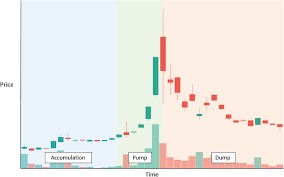
Regulatory frameworks are essential for maintaining investor confidence and ensuring market integrity. Effective regulation promotes transparency, protects investors, and reduces the risk of market manipulation or fraud. Well-regulated markets tend to attract more participants, enhancing both domestic and foreign investment flows.
Despite these benefits, developing capital markets can face challenges such as limited investor participation, low liquidity, and information asymmetry. Addressing these challenges requires coordinated efforts to strengthen financial infrastructure, improve regulatory oversight, and enhance financial literacy among investors.
Overall, capital market development is a vital driver of economic growth. By facilitating efficient allocation of resources, supporting investment, and enhancing financial stability, capital markets contribute significantly to the long-term development of an economy.