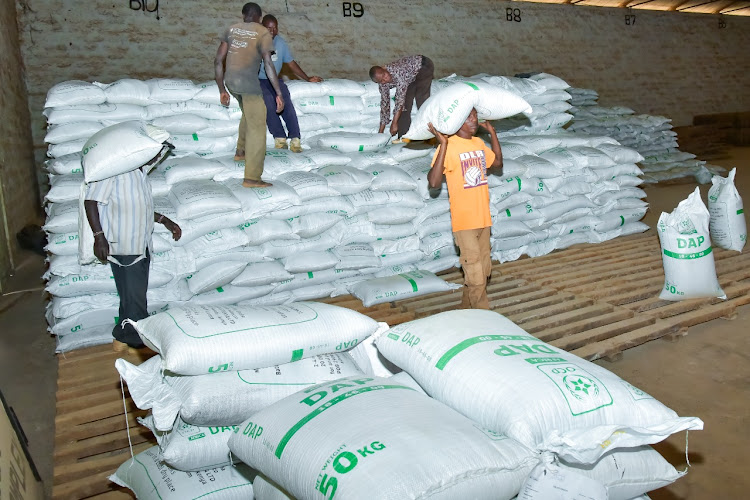
In the wake of the fertilizer scandal rocking Kenya’s agricultural sector, questions abound regarding the role and efficacy of the National Cereals and Produce Board (NCPB).
The scandal, which has left unsuspecting farmers grappling with the aftermath of purchasing mysterious substances purported to be fertilizer, has ignited a debate over the competence and integrity of the agency tasked with overseeing such critical matters.
Amid the outcry, concerns have been raised regarding the procurement processes employed by the NCPB and the level of due diligence exercised in ensuring the quality and safety of agricultural inputs.
Disturbing revelations have emerged, shedding light on the arbitrary nature of decision-making within the agency and the apparent influence wielded by traders and intermediaries.


One of the most damning revelations involves a letter from Mems Distributors Ltd, a trader awarded a contract by the NCPB, requesting a substitution of quantities to supply a different type of fertilizer.
This unilateral decision-making, seemingly influenced by external actors, raises serious questions about the agency’s autonomy and capacity to safeguard the interests of farmers.
Furthermore, the recent disclosure by the Kenya Bureau of Standards CEO before the Senate’s oversight Committee on Agriculture, revealing that the substance sold to farmers cannot even be described as fake fertilizer, underscores the magnitude of the crisis and the urgent need for accountability.
Calls for action have intensified, with demands for the prosecution of top NCPB officials and the commencement of impeachment proceedings against Agriculture Cabinet Secretary Mithika Linturi.
The scandal, reminiscent of past instances of corruption and malfeasance, underscores the systemic challenges plaguing the agricultural sector and the need for comprehensive reforms.
Moving forward, it is imperative that the government re-evaluates the role of the NCPB and considers alternative approaches to fertilizer procurement and distribution.
The reliance on private companies to finance and conduct imports, as observed in neighbouring Tanzania, offers a potential solution to mitigate corruption risks and enhance efficiency.
Moreover, long-term reforms aimed at restructuring and modernizing the agricultural sector must be prioritized. This includes rethinking the mandate of the NCPB and transitioning towards a more transparent and accountable regulatory framework.
The fertilizer scandal serves as a stark reminder of the urgent need for reform within Kenya’s agricultural sector. By addressing systemic weaknesses, enhancing oversight mechanisms, and fostering greater transparency, the government can restore public trust and ensure the viability and sustainability of the agricultural industry for generations to come.