Sharp Daily
No Result
View All Result
Sunday, January 11, 2026
  • Home
  • News
    • Politics
  • Business
    • Banking
  • Investments
  • Technology
  • Startups
  • Real Estate
  • Features
  • Appointments
  • About Us
    • Meet The Team
Sharp Daily
  • Home
  • News
    • Politics
  • Business
    • Banking
  • Investments
  • Technology
  • Startups
  • Real Estate
  • Features
  • Appointments
  • About Us
    • Meet The Team
No Result
View All Result
Sharp Daily
No Result
View All Result
Home News

Kenyan currency’s plunge: A double-edged sword for the economy

Editor SharpDaily by Editor SharpDaily
October 25, 2023
in News
Reading Time: 2 mins read

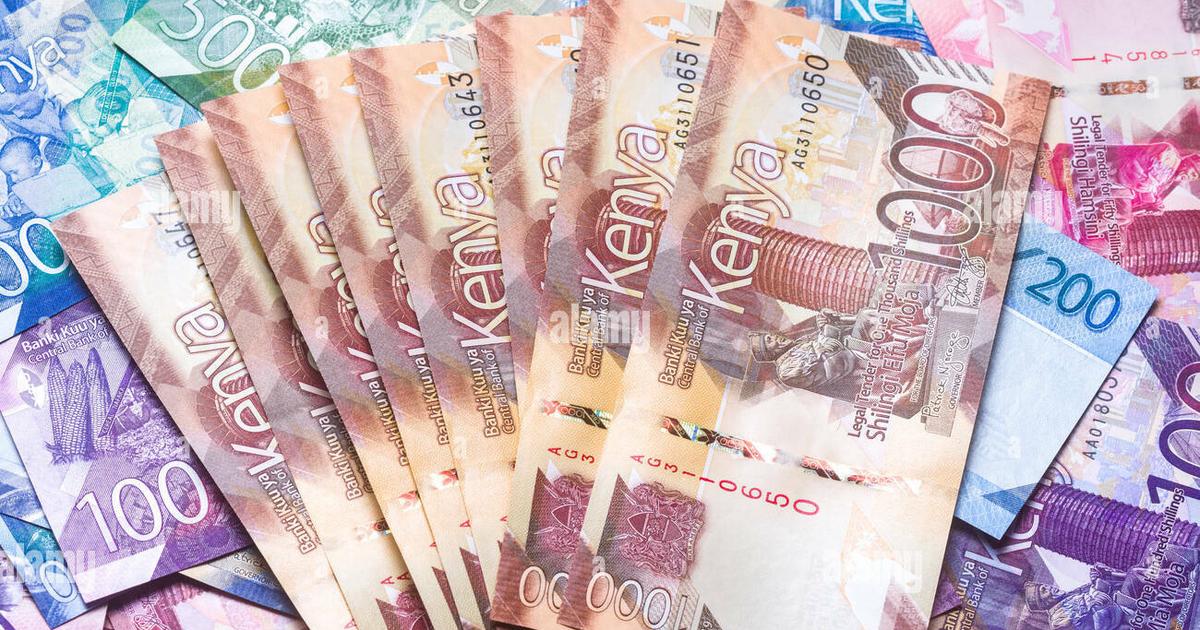
In the past year, the Kenyan currency has experienced a significant depreciation. Year-to-date, it has depreciated by 21.4%, currently trading at 150.04 against the U.S. dollar. This depreciation has had a profound impact on the country’s economy, particularly evident in the increased prices of goods, with fuel prices being one of the most affected, though it’s important not to overlook the role of taxes in these high fuel prices.

Devalued currency typically brings certain advantages. One of these benefits is lower foreign prices for exports, potentially increasing the country’s competitiveness in the global market and improving its balance of trade position. These advantages should be reflected in both the quantities and values of exports.

According to the most recent data from the Kenya National Bureau of Statistics, released in August, the total value of exports rose from KES 82.58 billion in July 2023 to KES 94.27 billion. Among the major export items, only coffee experienced a decline in exported quantities, dropping from 6,174.90 MT in July 2023 to 4,652.03 MT. In contrast, tea exports surged from 39,943.62 MT to 58,590.66 MT in July 2023. The tourism industry, a crucial component of Kenya’s economy, has also benefited, as the devaluation has made visiting Kenya more affordable for foreign tourists, leading to an increase in arrivals. During the same period, the Kenyan shilling depreciated by 2.0%, moving from KES 142.5 in July to KES 145.4 in August.

Despite the overall negative effects of the weakening currency, the data suggests some positive developments. Subsequent reports are likely to show an upward trajectory in export figures, potentially invigorating Kenya’s economic recovery. Increased demand for Kenyan goods and services can lead to higher revenues for businesses, potentially resulting in increased investment, job creation, and economic growth.


RELATEDPOSTS

How Elon Musk’s Grok AI unleashed a wave of non-consensual digital sexual abuse on X

January 9, 2026

Distributor moves to court to block Diageo’s planned exit from EABL

January 8, 2026

This experience with a devalued currency underscores the importance of diversifying export markets and products. A more robust export market and higher export values could have facilitated a smoother path to economic recovery. By investing in value addition and exploring new trading partners, Kenya can strengthen its export base and leverage a competitive exchange rate.

It’s not all negative news. Even amid economic uncertainties, there are positive prospects. The country has the potential to harness the advantages of a devalued currency for economic growth and recovery. However, careful management by policymakers is essential to ensure a win-win scenario for exporters and the general Kenyan population.


Previous Post

China Square to open second store at Waterfront Karen

Next Post

Economic woes dampen demand for new vehicles in Kenya

Editor SharpDaily

Editor SharpDaily

The latest in business, real estate, education, investments, tech and entrepreneurship, brought to you daily. Reach us through thesharpdaily@gmail.com

Related Posts

News

The Economics of Working Abroad: Where Opportunity Meets Trade-Offs

January 9, 2026
News

The Question of Country Risk: Why Perception Matters as Much as Reality

January 9, 2026
News

How Early Campaign Cycles Shape Business Confidence and Investment Timing

January 9, 2026
News

Financial literacy as an investment

January 9, 2026
News

Kenya’s Trade Deficit with China Widens to Kes 475.6 Bn

January 9, 2026
News

When borrowing masks structural weaknesses

January 9, 2026

LATEST STORIES

How poor waste management is undermining Nairobi

January 9, 2026

Self-Insurance by Another Name: The Rise of Investment Based Risk Management

January 9, 2026

The Economics of Working Abroad: Where Opportunity Meets Trade-Offs

January 9, 2026

The Question of Country Risk: Why Perception Matters as Much as Reality

January 9, 2026

How Early Campaign Cycles Shape Business Confidence and Investment Timing

January 9, 2026

From Shadow to Structure: What CBK’s Licensing of Digital Lenders Means for Kenya’s Credit Market

January 9, 2026

Financial literacy as an investment

January 9, 2026

How Equities and Fixed Income Markets Will Shape Pension Scheme Performance in Kenya in 2025

January 9, 2026
  • About Us
  • Meet The Team
  • Careers
  • Privacy Policy
  • Terms and Conditions
Email us: editor@thesharpdaily.com

Sharp Daily © 2024

No Result
View All Result
  • Home
  • News
    • Politics
  • Business
    • Banking
  • Investments
  • Technology
  • Startups
  • Real Estate
  • Features
  • Appointments
  • About Us
    • Meet The Team

Sharp Daily © 2024