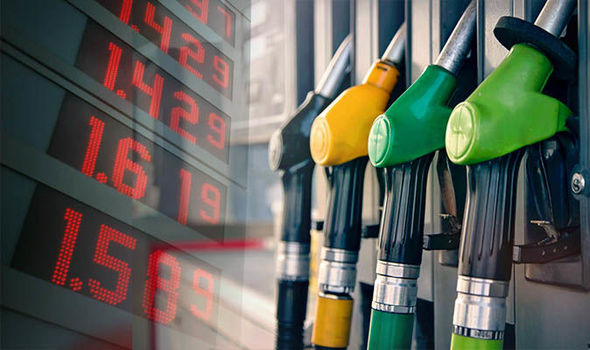
Consumers have continued to be burdened by the high cost of petroleum products, leading to a reduction in their usage of super petrol during the first quarter of this year. Conversely, the consumption of diesel experienced a slight increase. According to a recent report by the Petroleum Institute of East Africa (PIEA), petrol consumption declined by one percent in the three months leading to March, compared to the same period last year, mainly due to the expensive fuel prices.
Read more: Kenya Establishes Escrow Account to Mitigate Foreign Exchange Risk in the Fuel Deal
The report revealed that the consumption of super petrol and diesel remained relatively stable, with a minor drop of two percent in super petrol volumes and a growth of two percent in diesel consumption. The rising prices affected demand for super, diesel, and kerosene. Despite the overall decline in super petrol usage, there was an upswing in the consumption of aviation fuel. The travel and tourism industry’s recovery supported a five percent increase in aviation fuel consumption, which indicates an improvement in the tourism sector.
Moreover, the consumption of lubricants also experienced growth, rising by nine percent over the quarter. The growth in lubricant and diesel consumption was partially driven by the agricultural sector, which rebounded by 5.8 percent, benefiting from favourable weather conditions. In the first quarter of 2022, the agricultural sector had contracted by 1.7 percent.
Since March, the PIEA report has continued to show a decline in the consumption of super petrol, while diesel consumption has marginally increased. Several factors contributed to the further increase in the retail cost of fuel. One of them is the depreciation of the Kenyan shilling against the US dollar, leading to higher costs for imported products, including petroleum. An attempt to stabilize the local currency through a government-to-government fuel importation deal with Arab oil producers did not achieve the desired results, with the shilling still weakening.
Read more: Tough Economic Times Ahead, as Fuel VAT Retained at 16%
In addition to currency fluctuations, the recent increase in the value-added tax (VAT) rate to 16 percent from 8 percent, and a rise in the Kenya Pipeline Company (KPC) tariff, have contributed to the higher fuel costs. These factors have pushed pump prices to reach record highs, with super petrol selling at Sh195.53 per litre in Nairobi and even higher in remote towns, while diesel and kerosene prices reached Sh179.67 and Sh173.44 per litre, respectively.
During the PIEA meeting, Treasury Cabinet Secretary Njuguna Ndung’u announced that the government’s move to allow KPC to acquire Kenya Petroleum Refineries Limited (KPRL) would enhance the security of petroleum product supply. The acquisition of KPRL will offer a total storage capacity of 484 million litres across 45 tanks, reinforcing Kenya’s position as the most liquid and stable white oils market in the region. The purchase of KPRL will also support the President-led liquid petroleum gas program, aligning with the country’s commitment to clean energy.
Email your news TIPS to editor@thesharpdaily.com