

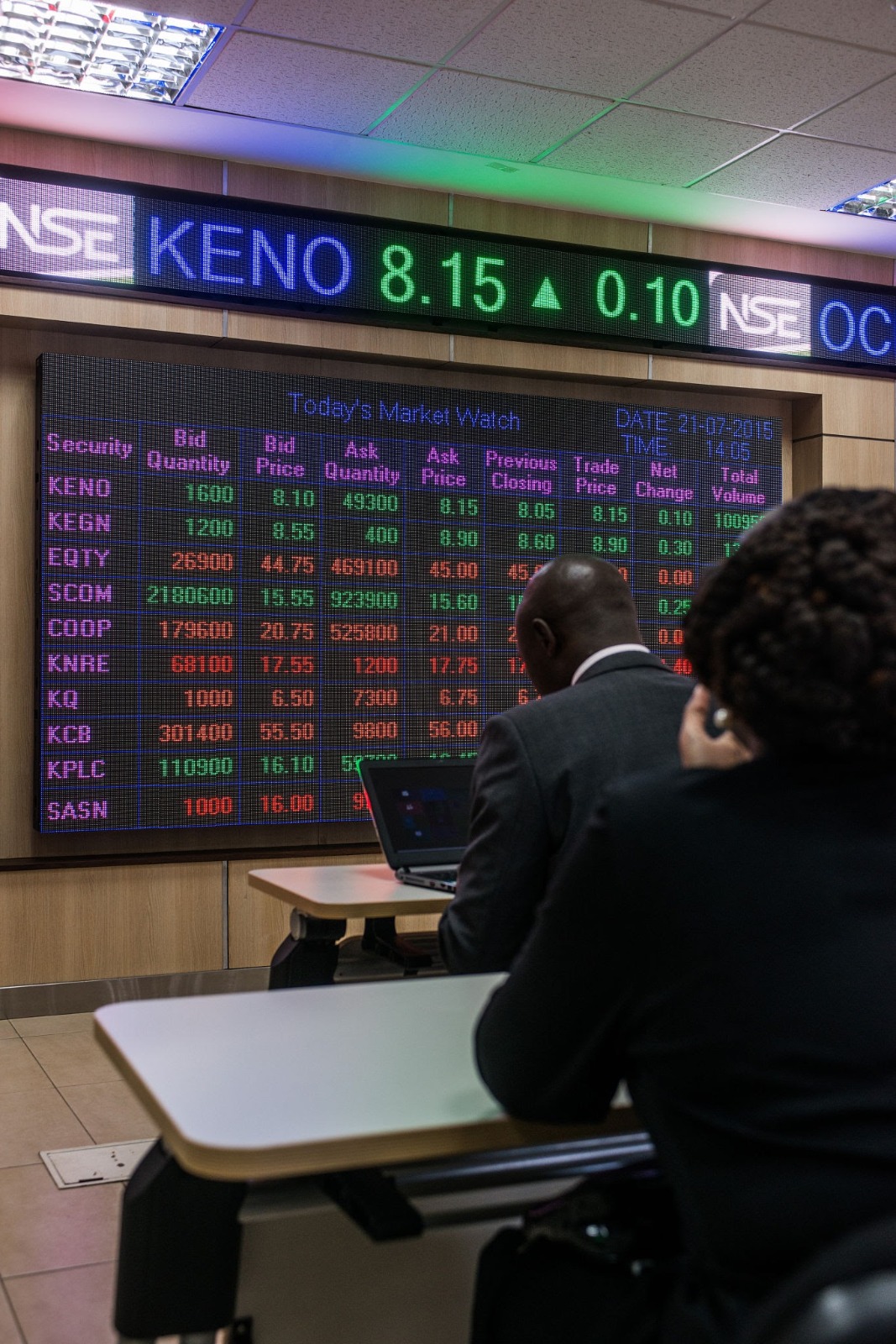
Quickmart’s initial public offering (IPO) has highlighted the growing influence of foreign investors in Kenya’s capital markets. The retailer has attracted cornerstone commitments of up to Kshs 7.12 bn from four international investors, including the International Finance Corporation (IFC), the UK government’s MOBILIST programme, RWC Asset Management and 337 Frontier Capital. The commitments have changed the structure of the Kshs 15.0 bn offer. Cornerstone investors will now receive an indicative 48.0% of the shares, compared with 13.0% under the original allocation.
Meanwhile, the combined allocation for Kenyan and East African retail and institutional investors has fallen to 44.0% from 67.0%. The development raises a broader question about Foreign Capital Kenya and its growing role in funding major investment opportunities. Foreign participation can provide long-term capital and strengthen confidence in local markets. However, the reduced allocation available to domestic investors also highlights the challenge of deepening local capital ownership.
Foreign Investors Take a Larger Position
The increased cornerstone allocation is the most significant change to Quickmart’s IPO. The four investors could collectively commit up to Kshs 7.12 bn, equivalent to approximately 47.5% of the total offer if the IFC receives final approval for its full commitment.
The structure provides Quickmart with substantial institutional backing before the IPO closes. Cornerstone investors commit to purchasing shares in advance, providing an indication of institutional demand for the offer.

Cornerstone Investors Signal Confidence
The participation of established international institutions can strengthen the credibility of an IPO. Investors such as the IFC and MOBILIST also bring experience in emerging and frontier markets.
However, cornerstone participation does not guarantee that Quickmart’s shares will perform well after listing. The investors will still be exposed to the company’s earnings, dividend policy, valuation and future growth.
The attraction therefore appears to be linked to Quickmart’s underlying business prospects. The retailer recorded revenue of Kshs 50.4 bn in 2025, while net profit increased by 33.0% to Kshs 1.5 bn. Quickmart also operates 72 stores across 16 counties.
The stronger foreign cornerstone participation has reduced the allocation available to other investor categories. Kenyan and East African retail investors have been allocated 12.0% of the offer, while local and regional institutional investors receive 32.0%.
Other foreign investors receive 8.0%, meaning the largest allocation is now held by the dedicated cornerstone category. The allocation pools remain indicative and may be adjusted depending on demand and the final offer terms.
Retail Investors Face Greater Competition
For Kenyan retail investors, the reduced allocation could make access to the IPO more competitive if demand is strong.
The development also raises questions about the role of domestic investors in Kenya’s capital markets. Local pension funds, asset managers, insurers and individual investors are important sources of long-term capital.
A deeper domestic investor base would allow more of the wealth created by Kenyan companies to remain within the local financial system.
Foreign Capital Has Its Benefits
The increasing role of foreign investors should not necessarily be viewed negatively. International capital can provide funding that may not be readily available from domestic investors.
Foreign institutions can also bring stronger investment scrutiny. Their participation may encourage companies to improve corporate governance, financial reporting and investor communication.
Strong institutional participation can make Kenyan securities more attractive to other investors. A successful IPO can demonstrate that local companies can attract international capital through the Nairobi Securities Exchange.
This is particularly relevant as Kenya seeks to deepen its capital markets and increase the number of companies raising capital through public markets.
The involvement of MOBILIST is also notable. The programme has partnered with the NSE to support greater investment through listed products and increase participation by Kenyan institutions. corporate.quickmart.co.ke
Foreign investment provides capital, but domestic ownership remains important for the development of Kenya’s financial markets.
When Kenyan pension funds, institutions and households own listed companies, investment returns can circulate within the domestic economy. Dividends can flow to local investors, while capital gains can strengthen household and institutional wealth.
Building Domestic Investment Capacity
The Quickmart IPO therefore highlights a structural issue rather than simply an allocation decision. Kenya needs both foreign and domestic capital to support the growth of its capital markets.
Foreign investors can provide additional funding and expertise. Local investors, however, provide a domestic pool of long-term capital that can reduce reliance on external investors.
Strengthening local participation will require greater financial literacy, deeper institutional investment pools and attractive investment opportunities.
Foreign Capital Kenya
The increased foreign participation therefore creates both an opportunity and a challenge for Kenya’s capital markets. International investors can provide liquidity, credibility and long-term capital.
However, the lower allocation available to local investors shows that Kenya still needs to develop a stronger domestic investment base.
The objective should not be to choose between foreign and local investors. A deeper capital market should accommodate both.
For Quickmart, the immediate focus will be on delivering the earnings and expansion expected by its new shareholders. For Kenya, however, the bigger issue is whether future IPOs can attract international capital while also increasing domestic ownership.
If Kenya can deepen its pool of local institutional and retail investors, companies seeking public capital will have access to a broader and more sustainable investor base. Foreign capital can then complement domestic savings rather than becoming the dominant source of investment demand.