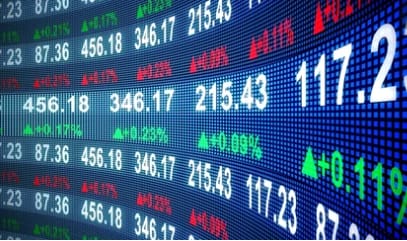
Financial markets can move from calm to turbulent very quickly. A market that has traded within a narrow range for weeks can suddenly experience sharp movements in prices and trading activity. This is what investors refer to as volatility, but the movement is usually a symptom of something changing beneath the surface. One of the biggest triggers is a change in expectations. Markets are forward looking, meaning investors are constantly pricing in what they expect for interest rates, inflation, economic growth, corporate earnings and other factors. When new information differs materially from those expectations, investors reassess their positions. An unexpected interest rate decision, weaker economic data, geopolitical tensions or a significant earnings surprise can therefore lead to rapid repricing.
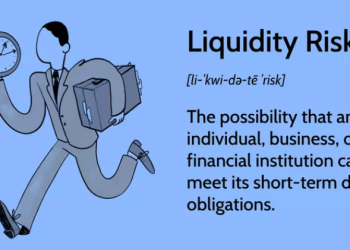
The next stage is portfolio repositioning. Investors may reduce exposure to assets they now consider riskier, move into assets offering better risk adjusted returns or increase their holdings where they see value. When many investors make these adjustments at the same time, buying and selling pressure increases, resulting in larger price movements. Liquidity also matters. In a highly liquid market, large orders can often be absorbed without causing significant price changes. When liquidity is thin, however, relatively smaller trades can move prices considerably. This can make volatility more pronounced, particularly during periods of uncertainty when investors become less willing to take the other side of a trade.
Volatility can also spread across asset classes. A change in interest rate expectations, for instance, can affect bond yields, equity valuations and currencies simultaneously. Higher expected rates can increase the returns investors demand from riskier assets, while changes in the exchange rate can affect companies with significant foreign currency exposure. As markets are interconnected, pressure in one area can quickly influence another. Investor sentiment can amplify these movements. When uncertainty rises, investors may react not only to fundamental information but also to what other market participants are doing. A sharp selloff can therefore trigger further selling as investors reduce risk, while a strong rally can attract additional buying.
For investors, the important question during volatile periods is not simply whether prices are rising or falling. It is what is driving the movement. A temporary shift in sentiment can produce significant price changes without altering an asset’s underlying value, while a fundamental change in earnings, interest rates or economic conditions can justify a more lasting repricing. Volatility is therefore a natural part of price discovery. It reflects markets continuously adjusting to new information, changing expectations and shifting risk perceptions. The opportunity for investors lies in understanding the reason behind the movement rather than reacting to the movement itself.