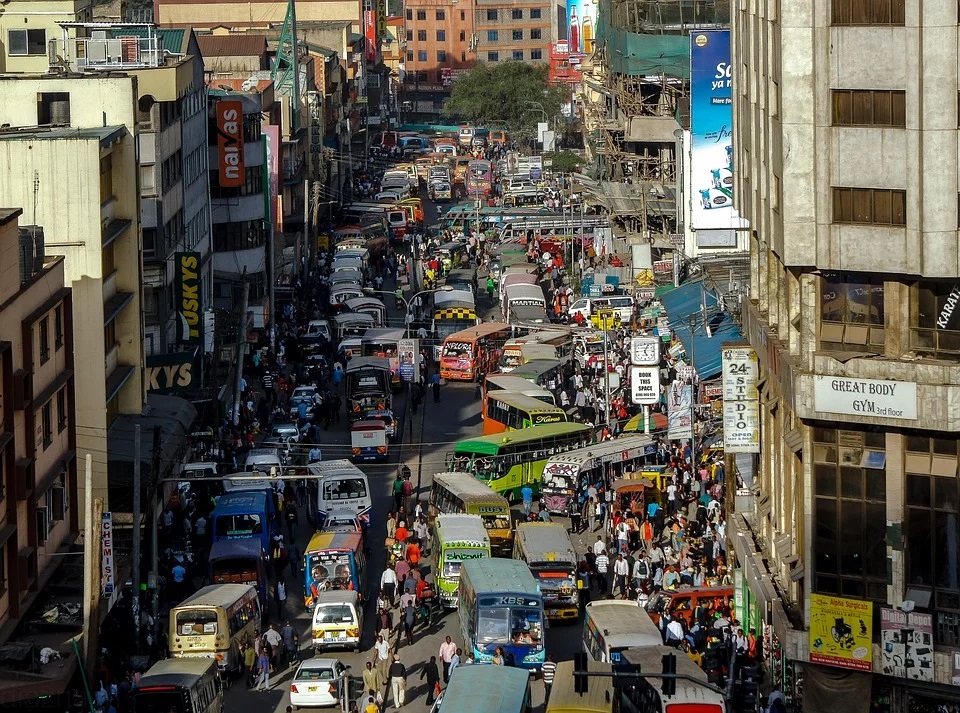
A section of businesses in Nairobi’s Central Business District has remained closed as traders prepare for protests over the Kenya Revenue Authority’s (KRA) decision to increase customs valuation by 28 percent, a move they fear will raise the cost of imported goods and squeeze already pressured businesses.
The anticipated strike highlights growing frustration among traders who argue that higher customs valuations could translate into increased import costs, which may eventually be passed on to consumers through higher retail prices.
For traders, the concern goes beyond the immediate tax bill. Many businesses in Nairobi’s CBD depend heavily on imported merchandise, meaning changes in customs valuation can directly affect their operating costs, profit margins and pricing decisions. A 28 percent increase could therefore force traders to either absorb higher costs or raise prices in an environment where consumers are already highly sensitive to price increases.
The planned action also raises a bigger question; who ultimately bears the cost of higher customs valuations traders, consumers or both?


If importers pass the additional costs to customers, households could face more expensive clothing, electronics, household goods and other imported products. If traders absorb the increase, their margins could narrow further, potentially forcing some businesses to reduce inventories, cut costs or reconsider their operations.
The decision comes as small and medium-sized enterprises continue to navigate rising operating expenses and subdued consumer demand. For businesses operating on thin margins, even relatively small increases in the cost of bringing goods into the country can have a significant impact on profitability.
The closures in the CBD also demonstrate the potential economic cost of the dispute. Reduced trading activity affects not only shop owners but also employees, transport operators, suppliers, restaurants and other businesses that depend on daily CBD traffic.
At the heart of the disagreement is therefore a wider debate over revenue collection and the cost of doing business. Can KRA increase government revenue without placing additional pressure on legitimate traders and consumers?
As traders prepare to take to the streets, the dispute could become an important test of how the government balances its need for higher tax revenues with the need to maintain a business environment that supports trade and investment.