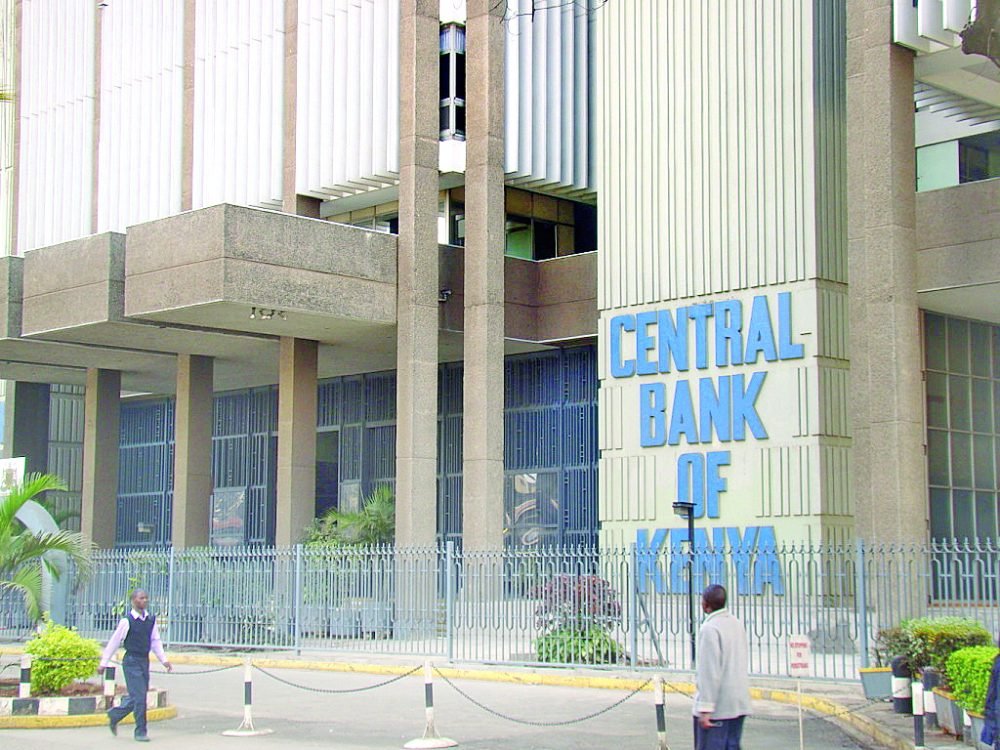
Inflation may still be uncomfortably close to the upper end of the Central Bank of Kenya’s target range, but the latest decision by the Monetary Policy Committee (MPC) suggests that the bigger question is no longer whether the economy needs lower interest rates, but whether it needs them now. At its August meeting, the MPC retained the Central Bank Rate (CBR) at 8.75%, choosing to give previous rate cuts more time to work through the economy.
At first glance, the decision may appear surprising. Inflation stood at 6.4% in July, leaving relatively little room before reaching the upper limit of the 2.5% to 7.5% target range. However, the inflation picture has become less concerning than it was a few months ago. Easing global energy prices and reduced geopolitical tensions have helped moderate some of the pressure coming from fuel and imported goods. This gives the MPC room to maintain its current stance without adding unnecessary pressure to prices.
More importantly, there are growing signs that the earlier easing in monetary policy is beginning to reach households and businesses. Private sector credit growth accelerated to 9.3% in May, a significant improvement from the contraction recorded a year earlier, while lending rates have continued to decline. This suggests that borrowing conditions are becoming more supportive of investment, consumption and business activity without requiring another immediate reduction in the CBR.
The decision also comes against a more resilient economic backdrop. Business conditions stabilized in June, with the PMI returning to the 50.0 mark, while the economy grew by 5.3% in Q1’2026. With economic activity improving and monetary policy already gaining traction, another rate cut could provide only a marginal boost while potentially creating additional inflationary pressure.


Going forward, the MPC’s focus is likely to remain on whether these gains are sustained. A continued recovery in credit and economic activity would strengthen the case for keeping the CBR unchanged, while a renewed rise in inflation, particularly from energy or food prices, would further limit room for additional easing. For now, the 8.75% rate appears less like a pause in support for growth and more like a decision to allow previous policy easing to do its job.