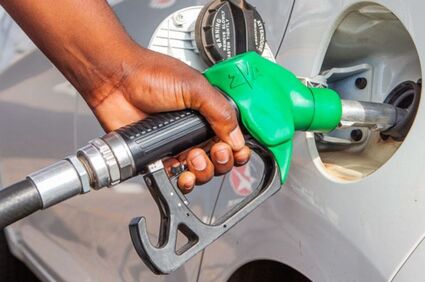
Fuel prices remain one of the most closely watched economic indicators in Kenya because of their far-reaching impact on transport, production costs, inflation, and ultimately the cost of living. The government’s decision to extend the 8.0% Value Added Tax (VAT) on petroleum products until October 14, 2026 reflects an effort to cushion households and businesses from renewed volatility in global oil markets. While the move has provided temporary relief, it also raises an important question: Is the VAT relief truly lowering the burden on consumers, or is it simply preventing an even steeper increase in fuel prices?
For the pricing cycle running from July 15 to August 14, 2026, the maximum pump prices in Nairobi remain unchanged at Kshs 214.03 per litre for Super Petrol, Kshs 222.86 for Diesel, and Kshs 191.38 for Kerosene. Without the extension of the lower VAT rate, motorists and businesses would likely have faced higher pump prices during the current pricing cycle.
However, stable prices should not be mistaken for affordable prices. Diesel, in particular, remains historically elevated, and its significance extends beyond motorists. As the primary fuel powering public transport, agriculture, manufacturing, and logistics, high diesel prices continue to feed into the cost of producing and transporting goods, placing upward pressure on inflation and household expenditure. The VAT relief therefore serves more as a buffer than a solution. It helps moderate the immediate impact of rising global oil prices but cannot fully offset external factors such as international crude oil movements, exchange rate fluctuations, and the various taxes and levies embedded in Kenya’s fuel pricing structure. Consequently, many consumers may not perceive a noticeable reduction in the cost of living despite the tax relief remaining in place.
Looking ahead, the effectiveness of such interventions will largely depend on developments in global energy markets and the government’s fiscal capacity to sustain relief measures. While extending the lower VAT rate has undoubtedly shielded consumers from sharper price increases, long term fuel affordability will require a broader combination of stable global prices, prudent fiscal management, and sustained macroeconomic stability.