Sharp Daily
No Result
View All Result
Tuesday, August 4, 2026
  • Home
  • News
    • Politics
  • Business
    • Banking
  • Investments
  • Technology
  • Startups
  • Real Estate
  • Features
  • Appointments
  • About Us
    • Meet The Team
Sharp Daily
  • Home
  • News
    • Politics
  • Business
    • Banking
  • Investments
  • Technology
  • Startups
  • Real Estate
  • Features
  • Appointments
  • About Us
    • Meet The Team
No Result
View All Result
Sharp Daily
No Result
View All Result
Home News

The Fuel VAT Extension

Susan by Susan
July 15, 2026
in News
Reading Time: 2 mins read

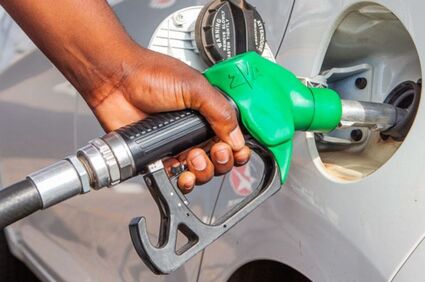
Fuel prices remain one of the most closely watched economic indicators in Kenya because of their far-reaching impact on transport, production costs, inflation, and ultimately the cost of living. The government’s decision to extend the 8.0% Value Added Tax (VAT) on petroleum products until October 14, 2026 reflects an effort to cushion households and businesses from renewed volatility in global oil markets. While the move has provided temporary relief, it also raises an important question: Is the VAT relief truly lowering the burden on consumers, or is it simply preventing an even steeper increase in fuel prices?

For the pricing cycle running from July 15 to August 14, 2026, the maximum pump prices in Nairobi remain unchanged at Kshs 214.03 per litre for Super Petrol, Kshs 222.86 for Diesel, and Kshs 191.38 for Kerosene. Without the extension of the lower VAT rate, motorists and businesses would likely have faced higher pump prices during the current pricing cycle.

However, stable prices should not be mistaken for affordable prices. Diesel, in particular, remains historically elevated, and its significance extends beyond motorists. As the primary fuel powering public transport, agriculture, manufacturing, and logistics, high diesel prices continue to feed into the cost of producing and transporting goods, placing upward pressure on inflation and household expenditure. The VAT relief therefore serves more as a buffer than a solution. It helps moderate the immediate impact of rising global oil prices but cannot fully offset external factors such as international crude oil movements, exchange rate fluctuations, and the various taxes and levies embedded in Kenya’s fuel pricing structure. Consequently, many consumers may not perceive a noticeable reduction in the cost of living despite the tax relief remaining in place.

Looking ahead, the effectiveness of such interventions will largely depend on developments in global energy markets and the government’s fiscal capacity to sustain relief measures. While extending the lower VAT rate has undoubtedly shielded consumers from sharper price increases, long term fuel affordability will require a broader combination of stable global prices, prudent fiscal management, and sustained macroeconomic stability.


RELATEDPOSTS

Infrastructure Investment in Kenya

August 4, 2026

Private Equity and the role of operational value creation

August 4, 2026
Previous Post

AI Adoption in Kenya Requires Leadership Strategy, Not Just Technology Investment

Next Post

Public officers risk salary freeze under new wealth declaration rules

Susan

Susan

Related Posts

News

Infrastructure Investment in Kenya

August 4, 2026
News

Private Equity and the role of operational value creation

August 4, 2026
News

Digital Innovation Reshapes Kenya’s Banking Sector

August 4, 2026
News

Digital Customs Reforms Boost Kenya’s Trade Efficiency

August 4, 2026
News

ESG Investing in Africa

August 4, 2026
News

Why Kenyan women still earn less than men despite equal qualifications

July 31, 2026

LATEST STORIES

Infrastructure Investment in Kenya

August 4, 2026

Private Equity and the role of operational value creation

August 4, 2026

Digital Innovation Reshapes Kenya’s Banking Sector

August 4, 2026

Digital Customs Reforms Boost Kenya’s Trade Efficiency

August 4, 2026

ESG Investing in Africa

August 4, 2026

Nairobi securities exchange market value surpasses Sh4 Trillion as Blue-Chip stocks rally

August 4, 2026

Airtel Money launches Bizna Wallet for Kenya’s small businesses

August 4, 2026

Kenya bets on blockchain to clear its cargo backlog

August 3, 2026
  • About Us
  • Meet The Team
  • Careers
  • Privacy Policy
  • Terms and Conditions
Email us: editor@thesharpdaily.com

Sharp Daily © 2024

No Result
View All Result
  • Home
  • News
    • Politics
  • Business
    • Banking
  • Investments
  • Technology
  • Startups
  • Real Estate
  • Features
  • Appointments
  • About Us
    • Meet The Team

Sharp Daily © 2024