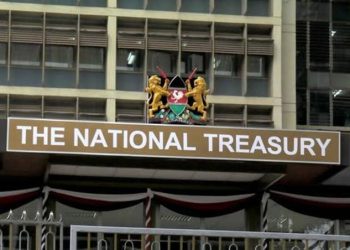
Kenya is set to receive a boost to its public finances following fresh World Bank-backed infrastructure financing, a move that analysts say will provide short-term fiscal relief as the government continues to balance debt repayments with ongoing development priorities.The additional financing comes at a time when the government is under pressure to sustain investment in key infrastructure projects while maintaining fiscal discipline. Over the past few years, Kenya has pursued an ambitious infrastructure agenda covering transport, energy, water and urban development. While these investments are expected to support long-term economic growth, they have also increased the need for affordable financing.
According to analysts, concessional funding from development partners such as the World Bank offers a more sustainable alternative to expensive commercial borrowing. By accessing financing at lower interest rates and with longer repayment periods, the government can reduce pressure on domestic borrowing, helping preserve liquidity within the local financial market.Reduced reliance on domestic debt could also have wider economic benefits. When governments borrow heavily from the local market, competition for funds may drive up interest rates, making it more expensive for businesses and households to access credit. Increased access to concessional funding can help ease this pressure, potentially creating a more supportive environment for private sector investment.
The financing is also expected to support the implementation of priority infrastructure projects that are essential to Kenya’s economic transformation agenda. Continued investment in roads, transport networks, energy infrastructure and water systems can improve productivity, lower the cost of doing business and enhance regional connectivity. These projects also create employment opportunities during construction while laying the foundation for future economic expansion.Beyond infrastructure development, the financing provides the government with greater flexibility in managing its fiscal position. Kenya continues to face significant debt servicing obligations alongside growing expenditure needs in sectors such as healthcare, education and social protection. Access to affordable external financing can help bridge funding gaps without placing additional strain on public finances.
Analysts, however, caution that concessional financing should complement, rather than replace, broader fiscal reforms. Sustained improvements in revenue collection, prudent public expenditure and efficient project implementation remain critical to strengthening the country’s long-term fiscal sustainability. Ensuring that borrowed funds are directed towards high-impact projects with measurable economic returns will be equally important.The latest financing also reflects continued confidence from development partners in Kenya’s reform agenda. Ongoing efforts to strengthen public financial management, improve governance and enhance economic resilience have remained key considerations in attracting multilateral support.


While the funding offers welcome short-term relief, its long-term impact will ultimately depend on how effectively the resources are deployed. Strategic investment in productive infrastructure, combined with sound fiscal management, has the potential to stimulate economic activity, improve investor confidence and support sustainable growth over the coming years.As Kenya navigates a challenging global economic environment, affordable development financing remains an important tool in supporting infrastructure expansion while safeguarding fiscal stability. The latest World Bank-backed funding provides an opportunity for the country to maintain momentum on critical projects while easing immediate budgetary pressures and reinforcing the foundations for inclusive economic growth.