The global financial architecture is undergoing a structural paradigm shift. This change occurs as traditional finance institutions aggressively converge with decentralized ledger technology. For decades, capital markets have relied on highly centralized, siloed clearing systems. These legacy setups require multiple intermediaries to settle trades and verify ownership. Moreover, this conventional infrastructure introduces significant operational friction. As a result, markets suffer from settlement delays, high transaction fees, and trapped capital. To mitigate these structural bottlenecks, institutional asset managers are actively pivoting toward tokenization. This process converts real-world assets into digital tokens managed directly on a blockchain network.
Automating Post-Trade Cycles via Institutional Asset Tokenization
At its core, institutional asset tokenization transforms illiquid or restricted traditional instruments into highly divisible digital units. Consequently, these units trade seamlessly across decentralized rails. By representing assets like sovereign debt, gold, or private equity as smart contracts on a shared ledger, the entire post-trade lifecycle becomes automated. Therefore, the system operates in a completely trustless manner.
Furthermore, this integration effectively eliminates the need for manual clearinghouses. It enables instant settlement where ownership and payment clear simultaneously. As a result, institutional capital is rapidly mobilizing around this infrastructure. This mobilization allows firms to capture deep liquidity pools that were previously fragmented across localized jurisdictions.
Case Study: BlackRock’s BUIDL Fund and Tokenized Sovereign Debt
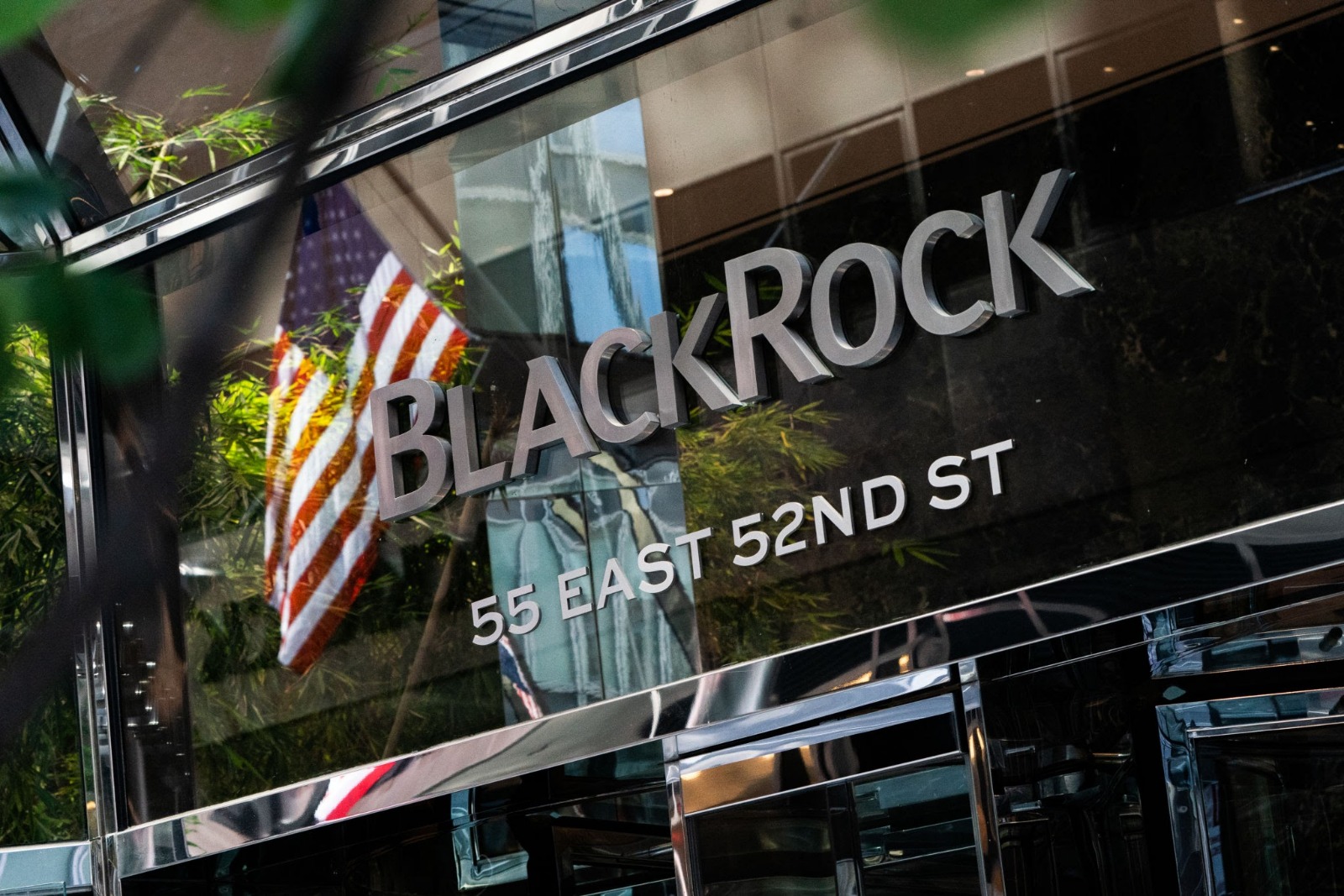
A primary example of this institutional adoption is the rapid scaling of BlackRock’s USD Institutional Digital Liquidity Fund, widely known by its ticker BUIDL. Launched on the Ethereum network, the fund tokenizes cash, United States Treasury bills, and repo agreements. Consequently, this setup provides institutional investors with yield-bearing digital assets that settle instantly twenty-four hours a day.


By utilizing public blockchain rails for a structured financial product, the fund successfully bridges the gap between conventional corporate treasury management and decentralized liquidity. Therefore, this operational milestone demonstrates a critical proof of concept. It proves that institutional-grade sovereign debt can function natively as a digital asset without sacrificing regulatory compliance.
Expanding Institutional Asset Tokenization to Physical Commodities
Furthermore, global banking giants like HSBC have expanded the scope of digital ledger integration beyond fixed-income securities. For example, the bank introduced tokenized gold for retail and institutional clients. This framework allows physical bullion stored in their London vaults to be fractionalized and traded electronically. Meanwhile, the system maintains absolute cryptographic security.
Importantly, this framework effectively democratizes access to high-value, historically illiquid physical assets. It achieves this by allowing investors to purchase minuscule fractions of a gold bar. Ultimately, the success of these initiatives underscores a broader trend. Traditional custodians are successfully re-engineering asset ownership to enhance velocity within the financial system.
Overcoming Regulatory Hurdles and Tokenized Asset Silos
Despite the evident operational benefits, the widespread adoption of institutional asset tokenization still faces complex regulatory and infrastructure headwinds across different jurisdictions. Financial regulators globally are grappling with how to enforce anti-money laundering frameworks. Similarly, they face difficulties applying investor protection laws to decentralized networks. This challenge arises because transactions occur pseudo-anonymously, which complicates compliance.
Additionally, the lack of standardized interoperability protocols between competing blockchain networks creates technological silos. Therefore, this friction prevents the seamless flow of tokenized capital between different institutional platforms. Addressing these compliance and technological friction points will be crucial if the industry is to achieve a unified marketplace.
Future Outlook: Integrating Sovereign Fiat with Ledger Infrastructure
Looking ahead through the remainder of 2026, the strategic deployment of tokenized assets is projected to expand significantly. These structures will move beyond niche liquidity funds and flow into mainstream corporate balance sheets. At the same time, central banks continue to pilot wholesale Central Bank Digital Currencies. Therefore, the underlying settlement layer for tokenized assets will become fully integrated with sovereign digital fiat.
In conclusion, this macroeconomic convergence will allow institutional investors to deploy capital with unprecedented velocity and transparency. They can apply this to tokenized real estate, private equity, and sovereign debt. For investment analysts and market strategists, tracking the velocity of this institutional migration will be essential to understanding the future of global capital allocation.