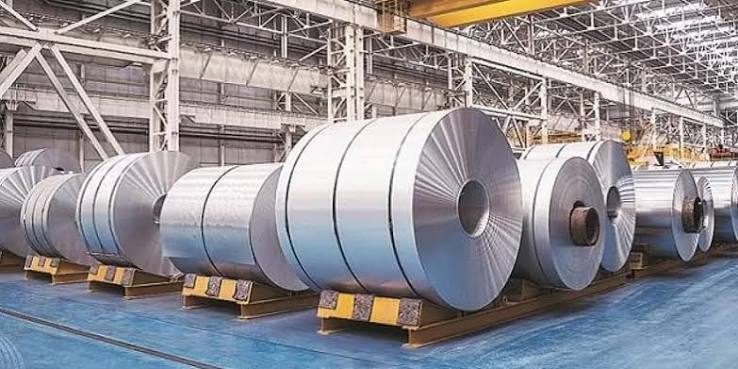
Kenya’s steel industry is operating far below its potential, with manufacturers reporting that up to 64.0% of production capacity remains idle. This underutilization comes at a time when the country continues to invest heavily in infrastructure and construction, sectors that should, in theory, drive strong demand for locally produced steel. The disconnect raises a critical question: can policy interventions revive the sector and unlock its full potential?
At the heart of the challenge lies the cost structure facing local manufacturers. High electricity tariffs, expensive raw materials, and elevated financing costs have significantly eroded the competitiveness of domestic steel producers. Compared to global peers, Kenyan firms often operate with thinner margins, making it difficult to scale production even when demand exists. Energy costs, in particular, remain a persistent concern, as steel production is highly energy-intensive.
Compounding this issue is the influx of cheaper imported steel products. In many cases, imports, particularly from Asia, enter the market at prices local firms struggle to match. While imports can benefit consumers through lower prices, they also place immense pressure on domestic manufacturers, leading to reduced output and, in some cases, plant closures. Allegations of dumping and weak enforcement of quality standards further complicate the competitive landscape.
Policy, therefore, has a central role to play. One of the most immediate interventions would be to address the cost of production. This could involve targeted energy subsidies for manufacturers, investment in more efficient power infrastructure, or incentives for firms to adopt renewable energy solutions. Lowering production costs would improve the competitiveness of local steel and encourage higher capacity utilization.


Trade policy is another critical lever. Strengthening safeguards against unfair imports, through anti-dumping measures or stricter enforcement of standards, could help level the playing field. However, such measures must be carefully calibrated to avoid unintended consequences, such as higher costs for downstream industries that rely on affordable steel inputs.
Equally important is the need for a coherent industrial policy framework. Supporting backward integration into raw material processing, such as scrap metal recycling and iron ore development, could reduce reliance on imports and stabilize input costs. Additionally, facilitating access to affordable financing would enable manufacturers to invest in modern equipment and expand production capacity.
Infrastructure policy also matters. Government-led construction projects could prioritize locally produced steel where feasible, providing a stable source of demand for domestic firms. This “buy local” approach, if implemented transparently and efficiently, could stimulate production without distorting the market. That said, policy alone cannot solve all the sector’s challenges. Firms themselves must invest in efficiency, innovation, and quality improvement to remain competitive in an increasingly globalized market. Without such efforts, even well-designed policies may yield limited results.
In conclusion, Kenya’s steel industry holds significant untapped potential, but unlocking it will require a coordinated policy response. Addressing high production costs, managing import competition, and strengthening industrial linkages could help revive the sector. If executed effectively, these measures would not only boost capacity utilization but also enhance Kenya’s broader manufacturing and economic resilience.