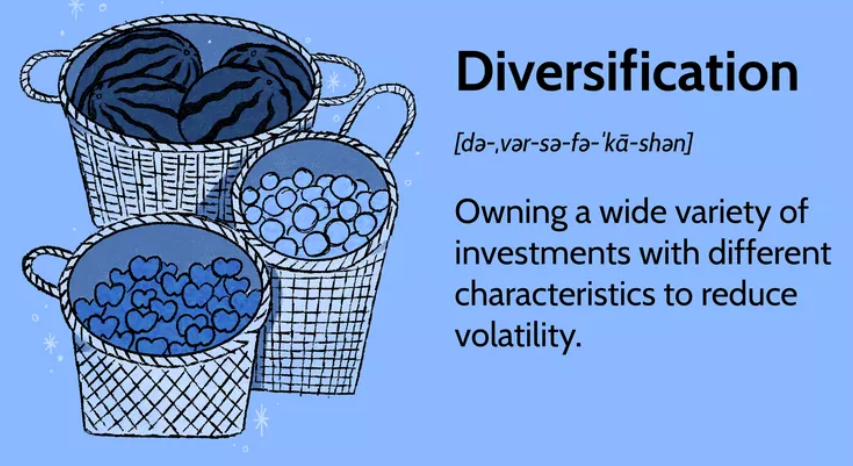
In modern investment management, portfolio diversification remains one of the most effective strategies for balancing risk and return. While traditional asset classes such as equities, bonds, and cash continue to form the foundation of most portfolios, alternative investments have gained increasing attention as investors seek additional sources of return and protection against market volatility. Alternative investments include assets such as real estate, private equity, infrastructure, hedge funds, commodities, and other non-traditional investment vehicles.
One of the primary reasons investors allocate capital to alternative investments is diversification. Traditional asset classes often respond similarly to changes in economic conditions, interest rates, and market sentiment. Alternative assets may exhibit different performance patterns, reducing the overall correlation within a portfolio. This can help mitigate losses during periods when traditional financial markets experience significant volatility.
Real estate remains one of the most widely recognized alternative investments. Property investments can provide a combination of income generation through rental yields and potential capital appreciation over time. Real estate may also serve as a hedge against inflation, as property values and rental income often rise alongside general price levels. For investors seeking long-term stability, real estate can play an important role in portfolio construction.
Infrastructure investments have also become increasingly attractive. Assets such as roads, airports, energy facilities, and telecommunications networks often generate predictable cash flows over extended periods. These investments are frequently linked to essential economic services, making them relatively resilient during economic downturns. As governments continue to prioritize infrastructure development, opportunities in this sector may continue to expand.


Private equity represents another important segment of alternative investing. By investing directly in private companies, investors gain exposure to businesses that are not listed on public stock exchanges. While private equity investments typically involve higher risk and lower liquidity, they may offer significant growth potential if the underlying businesses perform well.
Commodities, including precious metals, energy products, and agricultural goods, are commonly used as portfolio diversifiers. Commodity prices often respond differently to economic and market conditions compared to stocks and bonds. For example, gold is frequently viewed as a store of value during periods of financial uncertainty, while industrial commodities may benefit from rising global economic activity.
Alternative investments can also help address challenges associated with changing market environments. During periods of low interest rates, traditional fixed-income investments may offer lower returns, encouraging investors to seek additional sources of income and growth. Alternative assets can provide opportunities to enhance portfolio returns while spreading risk across a broader range of investments.
However, alternative investments are not without challenges. Many alternatives have lower liquidity compared to publicly traded securities, meaning investors may not be able to access their funds quickly. They may also involve higher management costs, more complex valuation processes, and greater due diligence requirements. As a result, investors must carefully evaluate the risks and suitability of these investments within their overall financial objectives.
Institutional investors such as pension funds, insurance companies, and endowment funds have increasingly incorporated alternative assets into their portfolios to improve diversification and long-term performance. This trend has contributed to the growth and development of alternative investment markets globally.
In conclusion, alternative investments are becoming an increasingly important component of modern portfolio management. By providing diversification, potential inflation protection, and access to unique sources of return, these assets can strengthen portfolio resilience in evolving market conditions. For investors seeking long-term growth and effective risk management, alternative investments may offer valuable opportunities when incorporated as part of a well-balanced investment strategy.