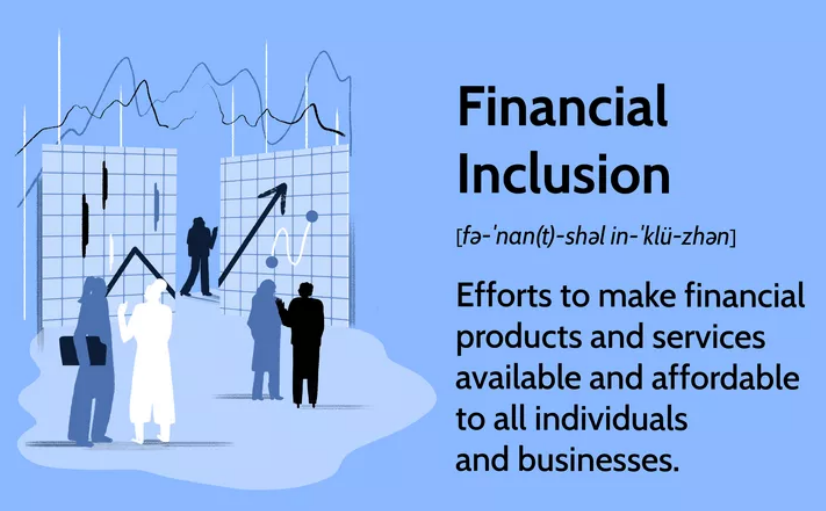
Financial inclusion has become an increasingly important aspect of economic development and investment growth across both emerging and developed economies. It refers to the ability of individuals and businesses to access affordable and appropriate financial services such as banking, credit, savings, insurance, and investment products. Expanding financial inclusion supports broader economic participation, improves resource allocation, and contributes to long-term financial stability.
One of the key benefits of financial inclusion is the mobilization of savings within the economy. When individuals have access to formal financial institutions, they are more likely to save securely and consistently. These savings can then be channeled into productive investments through banks, capital markets, and other financial intermediaries. Increased savings strengthen the financial system’s capacity to support lending, business expansion, and infrastructure development.
Access to credit is another important component of financial inclusion. Small businesses and entrepreneurs often require financing to expand operations, invest in technology, or increase productivity. Inclusive financial systems provide access to loans and other credit facilities that can stimulate business growth and job creation. This is particularly important for small and medium-sized enterprises, which contribute significantly to employment and economic activity in many economies.
Financial inclusion also enhances investment participation. Greater access to financial products allows individuals to participate in investment opportunities such as collective investment schemes, pension funds, government securities, and equity markets. Broader participation in financial markets can increase market depth and liquidity while encouraging long-term wealth creation among households.


Digital financial services have accelerated the expansion of financial inclusion in recent years. Mobile banking, digital payment systems, and online investment platforms have reduced barriers to accessing financial services, especially in underserved and rural areas. These technologies have improved transaction efficiency, lowered costs, and increased convenience for consumers and businesses alike.
From a macroeconomic perspective, financial inclusion contributes to economic growth by improving the efficiency of financial intermediation. When more individuals and businesses participate in the formal financial system, resources are allocated more effectively across the economy. This supports investment, productivity, and income generation while reducing dependence on informal financial practices.
Financial inclusion can also strengthen economic resilience. Access to savings, insurance, and emergency credit enables households and businesses to better manage financial shocks and unexpected expenses. This can reduce vulnerability during periods of economic uncertainty and support overall financial stability.
Governments and central banks often promote financial inclusion through regulatory reforms, financial literacy programs, and support for digital financial infrastructure. Policies aimed at reducing transaction costs, expanding banking networks, and encouraging innovation in financial services can improve accessibility and participation in the financial system.
Despite progress in many regions, challenges to financial inclusion remain. Income inequality, limited financial literacy, inadequate infrastructure, and regulatory barriers can restrict access to financial services. Addressing these challenges is important to ensure that the benefits of economic growth and investment opportunities are more widely shared across society.
For investors, financial inclusion can create opportunities in sectors such as financial technology, banking, telecommunications, and insurance. As more individuals enter the formal financial system, demand for financial products and services may continue to grow, supporting business expansion and market development.
In conclusion, financial inclusion plays a vital role in supporting economic growth, investment activity, and financial stability. By improving access to financial services and increasing participation in the formal financial system, economies can enhance productivity, encourage investment, and promote more inclusive and sustainable development.