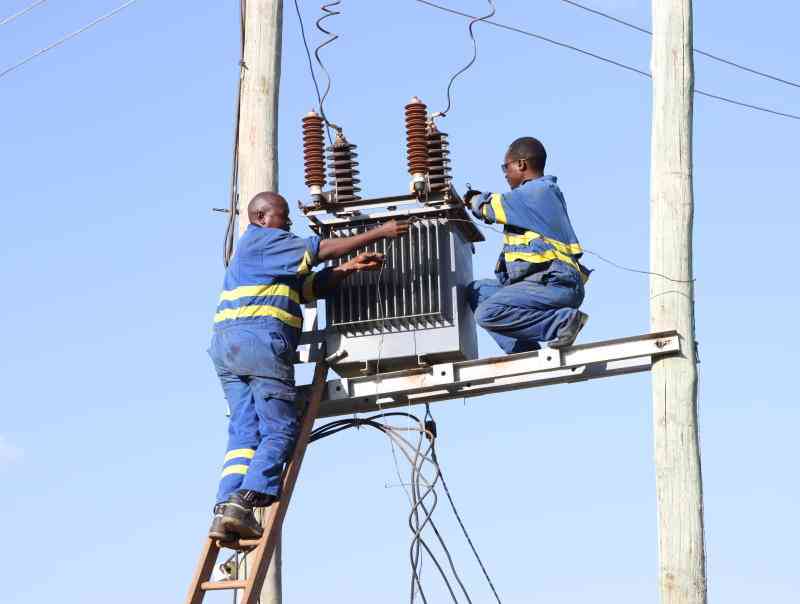
The Energy and Petroleum Regulatory Authority (EPRA) has introduced sweeping reforms aimed at liberalizing Kenya’s electricity market, marking a major shift in the country’s energy sector. The new regulations will allow independent power producers (IPPs) to directly sell electricity to large consumers, effectively ending the long-standing monopoly held by Kenya Power and Lighting Company (KPLC).The reforms are contained in the Energy (Electricity Market, Bulk Supply and Open Access) Regulations 2026, which establish an open-access framework for electricity transmission and distribution. Under the new system, licensed electricity generators will be permitted to use existing national grid infrastructure owned by Kenya Power and the Kenya Electricity Transmission Company (KETRACO) to supply power directly to eligible customers.
Large industrial and commercial consumers with high electricity demand are expected to benefit the most from the changes. Manufacturers, factories, data centers, and large businesses will now have the option of choosing their preferred electricity supplier based on pricing, reliability, and energy needs.EPRA says the reforms are designed to promote competition, improve efficiency in the electricity market, and encourage private sector investment in power generation and supply. The authority also believes the changes could accelerate Kenya’s transition toward cleaner and more sustainable energy sources by giving renewable energy producers greater market access.
The move aligns with broader energy sector reforms under the Energy Act 2019, which envisioned a more competitive electricity market structure. Kenya has over the years increased private participation in electricity generation, but power distribution and retail supply remained largely under Kenya Power’s control.Despite optimism surrounding the reforms, concerns have emerged over the possible financial impact on Kenya Power and ordinary consumers. Analysts warn that the utility company could lose a significant portion of its high-value industrial customers, who currently contribute heavily to its revenue base. This could leave Kenya Power increasingly dependent on domestic consumers for revenue recovery.
There are also fears that if industrial consumers migrate to alternative suppliers offering lower tariffs, households and small businesses could eventually face higher electricity costs due to reduced cross-subsidization within the current tariff structure.The World Bank has previously cautioned Kenya against implementing open-access electricity reforms without proper financial safeguards for the national distributor. Kenya Power has in recent years struggled with debt obligations, operational inefficiencies, and rising system losses.Even so, industry players have largely welcomed the reforms, saying they could stimulate innovation, attract fresh investment, and improve power reliability in the long term. The success of the new framework will largely depend on how effectively the government balances competition, infrastructure costs, and consumer protection as the electricity market transitions into a more open and competitive environment.