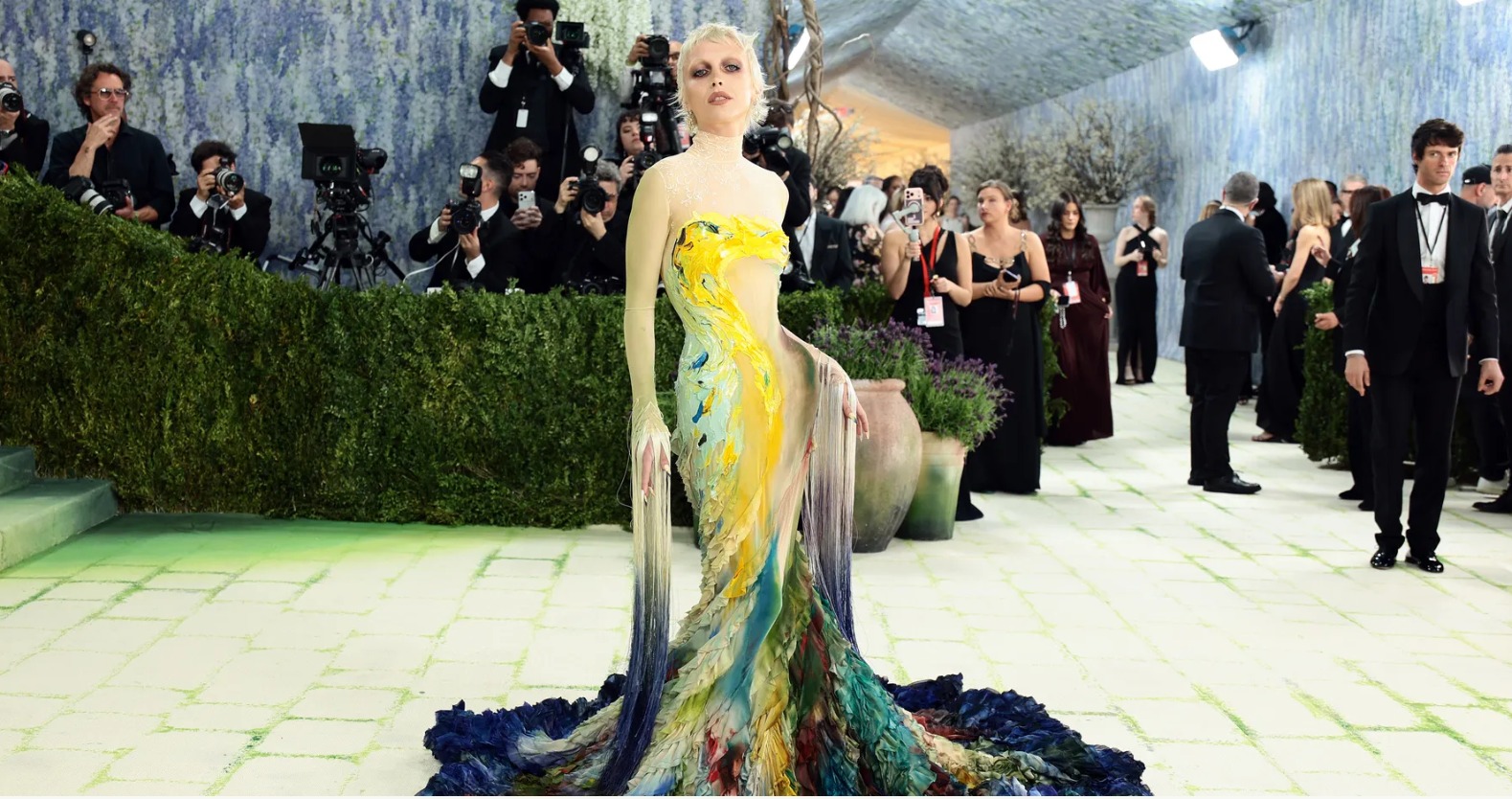
The Met Gala 2026 once again demonstrated its evolution from a celebrity red-carpet spectacle into one of the world’s most influential platforms for luxury branding, entertainment marketing, and digital consumer culture. Held at the Metropolitan Museum of Art in New York City, the 2026 edition attracted global attention as fashion houses, celebrities, and media companies competed for visibility in an increasingly digital and commercially driven entertainment economy.
This year’s Met Gala generated massive online engagement within hours of its opening, reinforcing the event’s growing influence beyond fashion circles. Social media interactions surrounding celebrity outfits, designer collaborations, and red-carpet appearances continued to drive billions of impressions across platforms such as TikTok, Instagram, and X, underlining how entertainment events now function as global advertising ecosystems.
Luxury fashion brands used the gala to strengthen cultural relevance and consumer engagement at a time when competition for younger audiences has intensified. Major labels increasingly rely on celebrity partnerships and viral fashion moments to sustain brand visibility, particularly among Gen Z and millennial consumers who shape online fashion trends and purchasing behavior.
The commercial value of the event has also expanded significantly over the past decade. What was once viewed primarily as a fundraising gala for the museum’s Costume Institute has evolved into a strategic marketing platform where celebrity styling decisions can influence global fashion demand, search trends, and retail sales almost instantly.


The 2026 edition further highlighted the increasing overlap between entertainment, music, film, and fashion. Actors, musicians, athletes, and digital creators now command nearly equal influence on the red carpet, reflecting broader changes in how fame and cultural relevance are measured in the digital economy.
Several high-profile appearances dominated global discussions following the event, with fashion analysts noting a stronger emphasis on archival designs, futuristic tailoring, and technology-inspired aesthetics. Sustainability also remained a recurring theme, as more designers showcased recycled materials, vintage reinterpretations, and environmentally conscious production techniques.
The gala’s influence on fashion commerce has become increasingly measurable. Search activity for featured designers and brands often spikes within minutes of celebrity appearances, while luxury retailers use the momentum from the event to accelerate online campaigns and product launches. Analysts estimate that the global media exposure generated by the Met Gala annually reaches billions of dollars in equivalent advertising value.
Streaming culture and short-form video content have further amplified the event’s global reach. Viral clips from red-carpet interviews, outfit reveals, and celebrity interactions continue to extend audience engagement long after the event ends, creating sustained digital visibility for participating brands and personalities.
The growing commercialization of celebrity fashion also reflects broader economic shifts within the entertainment industry. As film revenues face pressure from streaming disruptions and changing consumer habits, stars increasingly monetize personal branding through partnerships with luxury fashion labels, beauty companies, and lifestyle brands.
The Met Gala now sits at the center of that ecosystem, functioning not only as a cultural event but also as a major driver of luxury consumer trends, digital influence, and entertainment marketing strategy.