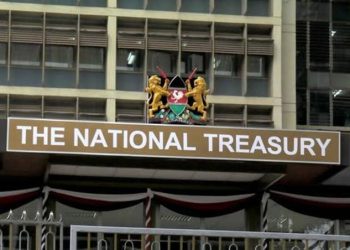
Kenya’s Treasury is eyeing 120.3 billion shillings ($931 million) in new tax measures via the 2026 Finance Bill, a bold step toward record revenue targets amid IMF pressures. Yet, this echoes 2024’s failed $2.7 billion hikes, which sparked deadly Gen Z-led unrest, claiming over 60 lives—forcing a scaled-back $232 million plan in 2025.
According to David Herbling, Lawmakers have until June to scrutinize proposals aimed at funding approved spending without upending the fiscal framework. President William Ruto’s administration targets 2.99 trillion shillings in revenue for the 2026/27 fiscal year against 4.79 trillion in outlays, slashing the deficit to 5.3% of GDP—the tightest in a decade from 6.4% now.
Shifting Funding Strategies Post-Protests
Burned by past backlash, Ruto has pivoted to securitization and privatization. Recent windfalls topped 300 billion shillings from stakes in Kenya Pipeline Co. and Safaricom Plc, though none are budgeted for next year. External support includes World Bank budget aid: 101.4 billion shillings by June-end, plus 170.5 billion annually to 2029, and $600 million in emergency funds tied to Iran conflict fallout.
IMF’s Abebe Selassie stressed “credible fiscal consolidation” during April’s Spring Meetings, linking it to fresh financing. No immediate IMF inflows are projected, but revenue ramps remain crucial.

Opportunities Amid Tensions
This tax gambit risks reigniting street protests, potentially derailing markets and investor confidence. However, successful navigation could stabilize yields on Kenyan Eurobonds and boost GDP growth.
-
Revenue Upside: Hitting 2.99 trillion shillings supports deficit cuts, enhancing credit ratings.
-
Privatization Potential: Post-2027 deals in energy/telecom could yield 200-400 billion shillings annually.
-
External Buffers: World Bank inflows provide near-term liquidity, cushioning oil shock impacts.
-
Risks: Protest recurrence could spike volatility.