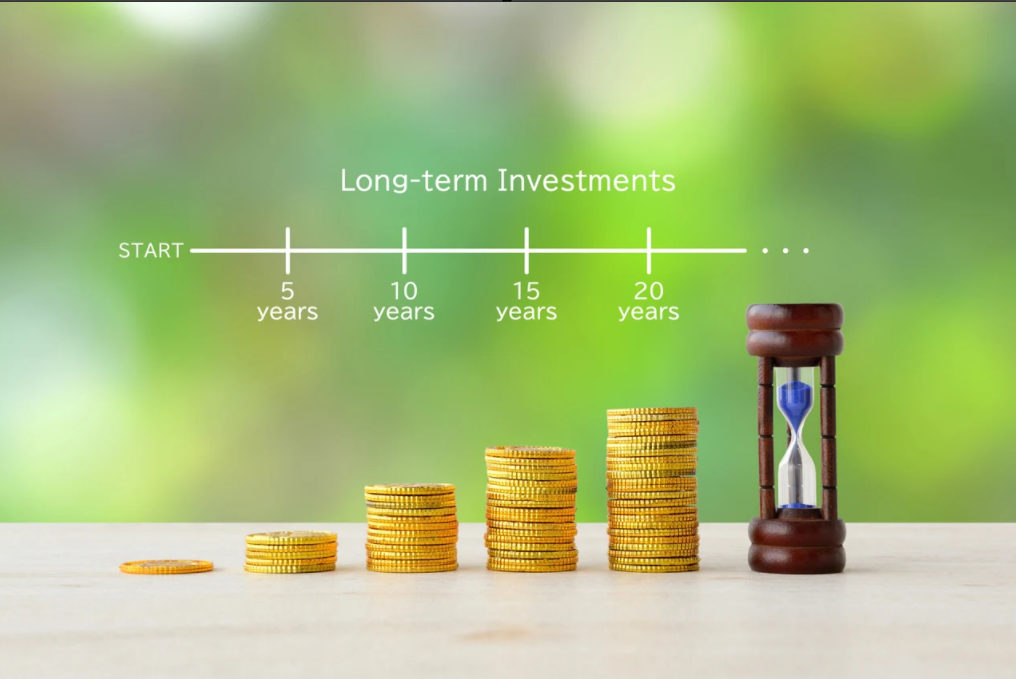
Productivity growth is one of the most important drivers of long-term economic expansion and investment performance. It refers to the increase in the efficiency with which labor, capital, and technology are used to produce goods and services. Economies that experience sustained productivity growth are often better positioned to achieve higher output, stronger corporate earnings, and improved living standards. For investors, productivity trends provide valuable insight into the long-term potential of industries, companies, and financial markets.
At the macroeconomic level, productivity growth supports higher economic output without requiring a proportional increase in labor or capital inputs. This efficiency allows businesses to produce more at lower costs, improving profitability and competitiveness. As corporate earnings grow over time, equity markets may benefit through rising stock valuations and increased investor confidence. In this way, productivity growth forms a critical foundation for long-term investment returns.
Technological innovation is one of the primary contributors to productivity improvement. Advances in automation, digitalization, artificial intelligence, and communication systems enable businesses to streamline operations and reduce inefficiencies. Companies that successfully adopt new technologies often gain a competitive advantage through lower production costs and improved service delivery. Investors frequently monitor technological trends to identify sectors and firms with strong growth potential.
Human capital development also plays an important role in productivity. Investments in education, skills training, and workforce development enhance labor efficiency and innovation capacity. Economies with a skilled workforce are often more adaptable to changing market conditions and technological transformation, supporting sustainable growth over the long term.


Infrastructure investment is another factor closely linked to productivity growth. Efficient transport networks, energy systems, and digital infrastructure reduce operational bottlenecks and improve connectivity within the economy. Businesses operating in environments with strong infrastructure can often achieve higher efficiency levels, contributing to stronger financial performance and investment opportunities.
Productivity growth also influences fixed income markets and monetary conditions. Strong productivity gains can support non-inflationary economic growth by increasing supply capacity within the economy. This may help stabilize inflation and interest rates, creating a more predictable environment for investors. In contrast, weak productivity growth can constrain economic expansion and place pressure on wages and prices.
From an investment perspective, productivity trends can affect sectoral performance differently. Industries driven by innovation and efficiency improvements, such as technology and advanced manufacturing, may experience stronger long-term growth. Meanwhile, sectors that struggle to improve productivity may face declining competitiveness and weaker returns over time.
Global competitiveness is another area influenced by productivity. Countries with higher productivity growth tend to attract more investment due to their stronger economic prospects and business environments. This can lead to increased capital inflows, currency stability, and broader market development, further supporting investment opportunities.
However, productivity growth is not always evenly distributed across sectors or regions. Structural challenges, limited technological adoption, and insufficient investment in education or infrastructure can slow productivity improvements. Policymakers often seek to address these constraints through reforms and development initiatives aimed at enhancing economic efficiency.
In conclusion, productivity growth is a key determinant of long-term investment returns and economic development. By improving efficiency, supporting innovation, and enhancing competitiveness, productivity gains create the conditions for sustainable corporate profitability and stronger financial market performance. For investors, understanding productivity trends is essential for identifying long-term opportunities and building resilient investment strategies.