
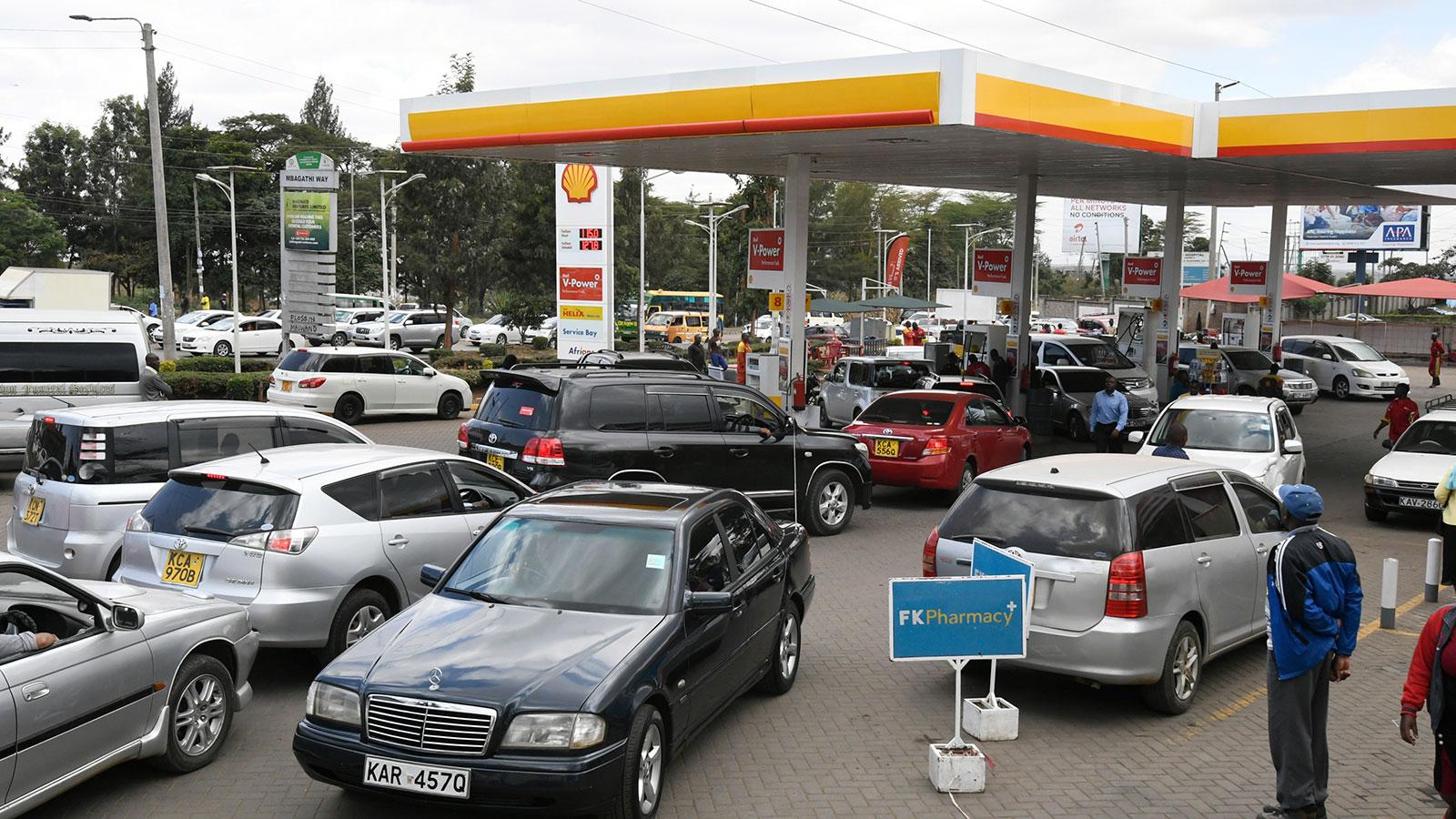
Kenya’s fuel prices have once again come under sharp focus following a significant increase driven by rising global oil costs. The surge, largely linked to geopolitical tensions in the Middle East, pushed pump prices to record highs, placing additional strain on households and businesses already contending with a high cost of living. The spike in fuel prices has had a ripple effect across the economy, raising transport costs and contributing to higher prices for essential goods and services.
In response to the mounting pressure, the Kenyan government introduced a fiscal policy intervention by reducing the value-added tax (VAT) on fuel from 16% to 8%. This move was aimed at cushioning consumers and providing immediate relief from the escalating cost of fuel. As a result, pump prices have seen a modest decline, particularly in major urban centers such as Nairobi, where the impact of price increases is often felt most acutely due to higher demand and economic activity.
The VAT reduction is part of a broader effort to stabilize inflation, which has been partly driven by rising energy costs. Fuel plays a central role in Kenya’s economy, influencing key sectors including transportation, manufacturing, and agriculture. Lower fuel prices are expected to reduce logistical expenses for businesses, which could, in turn, slow the rate at which prices of goods increase. This is especially important for food prices, as transportation costs significantly affect supply chains from rural production areas to urban markets.
Despite the short-term relief, economic analysts caution that the benefits of the tax cut may not be sustained over the long term. Global oil prices remain highly volatile, and any further escalation in geopolitical tensions could quickly drive prices upward again. Additionally, exchange rate fluctuations could also influence the final cost of imported fuel, adding another layer of uncertainty.


There are also fiscal implications to consider. Reducing VAT on fuel means a decrease in government revenue at a time when Kenya is pursuing fiscal consolidation to manage public debt and budget deficits. This creates a delicate balancing act for policymakers, who must weigh the need to support consumers against the importance of maintaining fiscal discipline. Reduced revenue could potentially impact government spending on infrastructure, healthcare, and other public services if not managed carefully.
For businesses, particularly those in the transport and logistics sectors, the VAT cut provides an opportunity to stabilize operational costs and improve planning in the short term. Lower fuel costs can enhance efficiency and potentially support business expansion. For consumers, the reduction offers some breathing room, although broader economic challenges, including high living costs and inflationary pressures, persist.
Ultimately, the government’s intervention highlights the complex interplay between global economic forces and domestic policy decisions. While the VAT reduction demonstrates responsiveness to immediate economic pressures, it also underscores Kenya’s vulnerability to external shocks. As global uncertainties continue, fuel pricing will remain a key factor shaping the country’s economic outlook, influencing inflation trends, consumer spending, and overall economic stability.