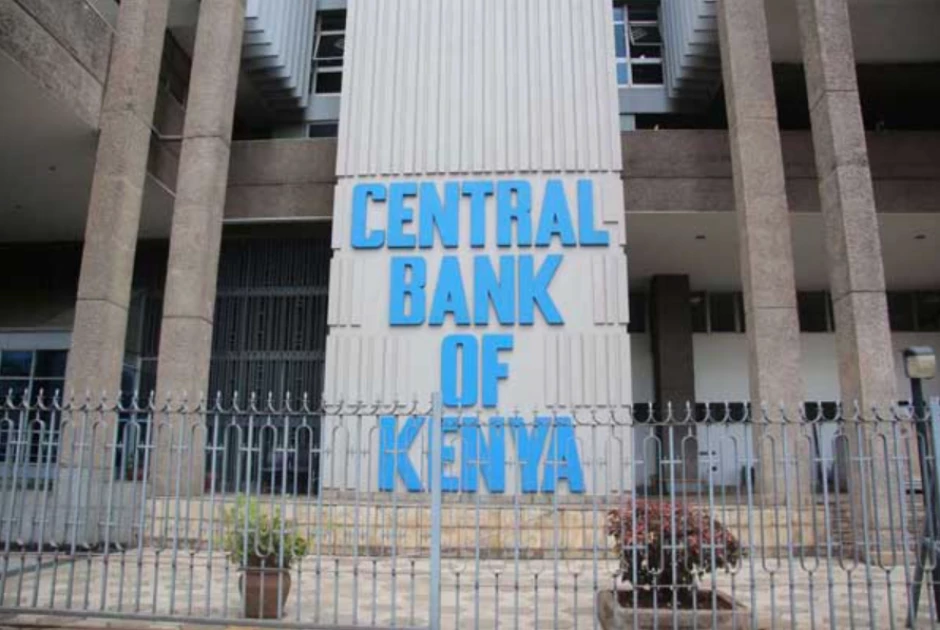
The Central Bank of Kenya (CBK) has moved to reassure both markets and the public about the stability of the Kenyan shilling, pointing to strong foreign exchange reserves and a disciplined monetary policy framework. The communication comes at a time when global economic uncertainty continues to place pressure on emerging market currencies. According to CBK officials, Kenya currently holds over $13 billion in foreign exchange reserves. This reserve level provides a critical buffer against external shocks, including fluctuations in global commodity prices and tightening financial conditions in advanced economies. With many countries experiencing currency depreciation, Kenya’s reserve position is being viewed as a key pillar supporting macroeconomic stability.
The central bank has also adopted a cautious monetary policy stance, choosing to pause interest rate adjustments as it closely monitors inflation and broader economic trends. Inflationary pressures remain a concern, particularly due to the volatility of global oil prices, which directly affect transportation, production, and overall consumer prices. By holding rates steady, the CBK aims to strike a balance between supporting economic growth and containing inflation. The reassurance from the central bank is also intended to sustain investor confidence and limit speculative activity in the foreign exchange market. A stable currency is essential for Kenya’s economy, especially given its reliance on imports such as fuel, machinery, and raw materials. Any significant depreciation of the shilling would increase import costs, worsen inflation, and raise the burden of servicing external debt.
Market analysts have largely responded positively to the CBK’s messaging, emphasizing the importance of transparency and timely communication in maintaining financial stability. The central bank’s ability to intervene in currency markets, supported by its strong reserves, is seen as a major advantage in navigating global volatility. Additionally, Kenya’s ongoing efforts to strengthen fiscal discipline and improve foreign exchange inflows contribute to a more stable outlook. Despite these strengths, risks remain on both the global and domestic fronts. External pressures such as rising interest rates in major economies, geopolitical tensions, and unpredictable capital flows could still impact the shilling. Domestically, managing inflation while sustaining economic recovery will require careful coordination between monetary and fiscal authorities.
Overall, the CBK’s position reflects a commitment to maintaining stability in a challenging global environment. While uncertainties persist, the combination of strong reserves, prudent policymaking, and proactive communication provides reassurance that Kenya is relatively well-equipped to manage potential economic shocks and safeguard the stability of its currency.