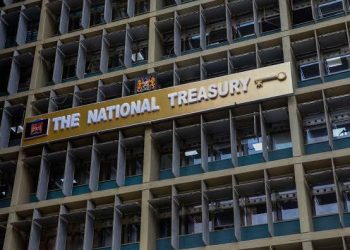
Government borrowing is a common practice used to finance public expenditure when revenues fall short. In Kenya, borrowing, both domestic and external, has been used to support infrastructure development, public services, and budgetary needs. While borrowing can drive economic growth, it also has direct and indirect effects on citizens, influencing taxes, cost of living, and overall economic stability.
One of the most noticeable impacts of government borrowing is its effect on taxation. When debt levels rise, the government must allocate a portion of its revenue to debt servicing, including interest payments and principal repayment. This can limit funds available for essential services such as healthcare, education, and infrastructure. To bridge this gap, the government may increase taxes or introduce new levies, which directly affect household income and disposable earnings.
Domestic borrowing, often through treasury bonds and bills, can also influence interest rates in the economy. When the government borrows heavily from local financial markets, it competes with the private sector for available funds. This can lead to higher interest rates, making loans more expensive for businesses and individuals. As a result, access to credit may become more limited, affecting entrepreneurship, investment, and overall economic activity.
Inflation is another channel through which government borrowing can affect citizens. If borrowing contributes to increased money supply or fiscal pressure, it may lead to rising prices of goods and services. Higher inflation reduces purchasing power, meaning that households may need to spend more to maintain the same standard of living. This is particularly significant for lower- and middle-income earners who are more sensitive to price increases.


External borrowing introduces additional considerations, particularly related to exchange rates. Loans taken in foreign currencies must be repaid in those currencies, which can become more expensive if the local currency weakens. In Kenya, exchange rate fluctuations can increase the cost of servicing external debt, potentially putting pressure on government finances. This may indirectly affect citizens through higher taxes or reduced public spending.
Despite these challenges, government borrowing can also bring benefits when used effectively. Funds raised through borrowing are often directed toward infrastructure projects such as roads, energy, and transport systems. These investments can improve productivity, create jobs, and support long-term economic growth. When such projects are well-planned and efficiently executed, they can enhance living standards and expand economic opportunities.
The role of institutions such as the Central Bank of Kenya is important in managing the effects of borrowing. By implementing monetary policies and maintaining financial stability, such institutions help mitigate risks associated with excessive debt and inflation. At the same time, fiscal discipline and transparency in how borrowed funds are used remain critical in ensuring that borrowing benefits the broader population.
Ultimately, the impact of government borrowing on Kenyan citizens depends on how effectively the funds are managed. While borrowing can support development and economic growth, excessive or poorly managed debt can lead to higher taxes, inflation, and reduced access to essential services. Striking a balance between financing development and maintaining fiscal sustainability is key to ensuring that borrowing serves the long-term interests of the population.