



Sharp Daily
  • News
  • Business
  • Technology
  • Real Estate
  • Opinion
  • About Us
No Result
View All Result
Sharp Daily
  • News
  • Business
  • Technology
  • Real Estate
  • Opinion
  • About Us
No Result
View All Result
Sharp Daily
No Result
View All Result
Home Business

Kenya’s meat exports to the Gulf collapse as Middle East conflict disrupts trade

Airspace closures and soaring freight costs have pushed Kenyan meat shipments to a fraction of expected Ramadan volumes, exposing the sector's deep reliance on Gulf markets.

Sharon Busuru by Sharon Busuru
March 23, 2026
in Business
Reading Time: 2 mins read

RELATEDPOSTS

Investing in USD Money Market Funds: A smart choice for stability and liquidity

November 10, 2026

Employers face final hours to file October PAYE returns

November 9, 2026

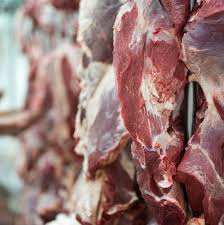
Kenya’s meat export industry is facing one of its most difficult trading periods in recent memory, with the ongoing conflict in the Middle East bringing Gulf bound shipments to a near standstill during what is traditionally the sector’s most lucrative season.

The Middle East is Kenya’s primary market for meat exports, with the UAE alone typically accounting for between 40% and 60% of total shipments. However, the ongoing war has reduced exports to below 5% of expected Ramadan levels, as a sharp rise in air freight costs has effectively grounded shipments.

Kenya generates around $2.3 million weekly from meat and animal product exports to the region. That revenue stream has been severely disrupted.

Nicholas Ngahu, Chief Executive of the Kenya Meat and Livestock Exporters Industry Council, noted that daily shipment volumes, which would normally reach 200 metric tons during Ramadan, had fallen to between just 5 and 15 tons per day. Since March 8, exports should have totaled approximately one million kilograms but industry figures show less than 50,000 kilograms were actually moved.

The spike in freight rates has compounded the crisis. Cargo rates that previously ranged from $1.00 to $1.50 per kilogram have surged to between $3.00 and $3.50 per kilogram, with airlines citing higher war-risk insurance costs as the primary driver. Most carriers serving the region have reduced operations, pushing exporters toward expensive chartered cargo flights into the UAE.

The operational disruptions have been equally costly. One consignment of approximately 20 tons destined for Sharjah was turned back on February 28 when airspace closed, leaving the clearing agency with a $5,000 bill covering handling, storage, and cold-room charges.

Beyond meat, the broader Kenyan export sector is feeling the strain. Shipping vessels originally bound for the Middle East are diverting cargo to alternative ports, while charter fees for vessels have reportedly quadrupled. Exporters of tea and coffee are also scrambling to identify alternative markets amid the disruption.

The crisis has laid bare the structural vulnerability of Kenya’s meat export sector its heavy dependence on a single regional market means that geopolitical instability thousands of kilometres away can rapidly paralyze an entire domestic supply chain, leaving producers, logistics firms, and workers exposed with limited fallback options.


Previous Post

KCB profits rise as banking sector shows strong growth

Next Post

Understanding Pension Fund Investments in Kenya

Sharon Busuru

Sharon Busuru

Related Posts

Business

Investors submit kSh69.26 billion in treasury bill bids as yields decline

November 13, 2026
John Mbadi, Kenya's treasury secretary, during an interview in Nairobi, Kenya, on Wednesday, Aug. 20, 2025. Kenya is in talks with China to convert dollar-denominated debt the East African nation owes its biggest bilateral lender to yuan and extend the repayment period, Mbadi said. Photographer: Kang-Chun Cheng/Bloomberg via Getty Images
Business

CBK bond swap attracts low investor interest

November 12, 2026
Business

US investors increase interest in kenya

November 11, 2026
Business

Why kenyan investors are pouring billions into government bonds

November 6, 2026
Business

Kenyan banks push for green financing

November 4, 2026
Business

Canva to cut 22% of its workforce as growth slows for the first time in a decade

November 4, 2026

LATEST STORIES

Family bank shares rise 46% since NSE listing

November 24, 2026

Pesalink attains basic inclusivity status in AfricaNenda Foundation’s 2026 report

November 24, 2026

The Gig Economy: Planning for Retirement When Self-Employed

November 23, 2026

Digital Investment Platforms Expand Retail Access to Global Markets in Emerging Economies

November 23, 2026

Kenyan Stablecoin Plans Target Digital Payments

November 23, 2026

Assessing the Durability of Competitive Advantage

November 23, 2026

What happens if your pension provider collapses?

November 20, 2026

Corporate Espionage in the Age of Geopolitical Competition: Are Businesses the New Frontline?

November 20, 2026
  • About Us
  • Meet The Team
  • Careers
  • Privacy Policy
  • Terms and Conditions
Email us: editor@thesharpdaily.com

Sharp Daily © 2024

No Result
View All Result
  • News
  • Business
  • Technology
  • Real Estate
  • Opinion
  • About Us

Sharp Daily © 2024