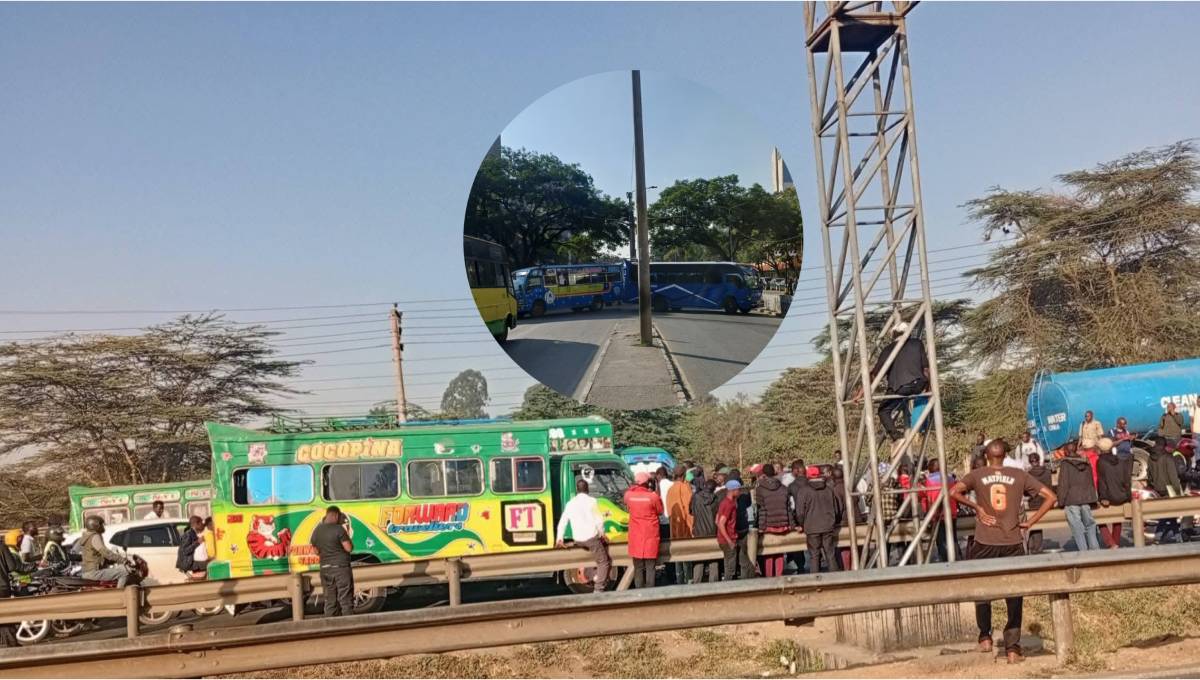
A matatu strike in Nairobi has significantly disrupted public transport across the city, leaving thousands of commuters stranded and highlighting the capital’s heavy dependence on the informal transport sector. Major routes linking the Central Business District to residential areas such as Rongai, Thika Road, Ngong Road, and Westlands experienced reduced or no matatu services, forcing commuters to seek alternative means of travel.The Nairobi matatu strike follows mounting frustration among operators over rising operational costs, regulatory enforcement, and compliance requirements. Operators argue that increased fuel prices, levies, and fines have made it difficult to sustain daily operations, prompting drivers and owners to withdraw services in protest.
For Nairobi’s workforce, the impact has been immediate. Many commuters were forced to walk long distances, rely on expensive ride-hailing services, or report late to work. Others opted to work remotely where possible, while businesses that depend on foot traffic recorded slower activity. Schools, markets, and health facilities also experienced delays as staff and clients struggled to move around the city.Employers across Nairobi have raised concerns over productivity losses, particularly in sectors that require physical presence such as retail, construction, manufacturing, and hospitality. Casual workers and daily wage earners have been among the most affected, as missed workdays translate directly into lost income. Analysts warn that prolonged transport disruption in the capital could have wider economic implications given Nairobi’s role as Kenya’s main commercial hub.
The government has called for calm and urged matatu operators to resume services as discussions continue. Authorities maintain that enforcement measures are intended to improve road safety and service standards but acknowledge the need for continued engagement with industry stakeholders to address operational challenges.
Transport experts note that recurring matatu strikes in Nairobi expose long-standing structural weaknesses in the city’s public transport system. These include fragmented ownership, inconsistent policy implementation, and limited mass transit alternatives for the majority of commuters. They argue that clearer communication on regulations and timelines, coupled with investment in reliable public transport infrastructure, could reduce future disruptions.As talks continue, Nairobi residents remain hopeful for a swift resolution. The Nairobi matatu strike underscores the critical role public transport plays in sustaining economic activity and daily life in the city.