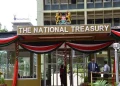

The Kenyan government has defended its decision to sell part of its stake in Safaricom, telling critics to come forward with better offers if they believe the asset was undervalued. Treasury and senior government officials say the transaction followed due process and was guided by market realities, not political interests. Speaking during a parliamentary briefing, officials maintained that the Safaricom stake sale was conducted transparently and in line with Kenya’s privatisation framework. They argued that the government’s priority was to unlock value, attract investment, and free up capital for development spending rather than hold on to commercial assets indefinitely. Criticism has centred on claims that Safaricom, East Africa’s most profitable company, may have been sold below its true value. Some MPs and analysts have questioned the timing of the sale, pointing to Safaricom’s strong cash flows, dominant market position, and long-term growth prospects in mobile money, data services, and regional expansion.
In response, the government has taken a firm stance, insisting that valuation was based on prevailing market prices, investor appetite, and independent financial advice. Officials noted that Safaricom is a publicly listed company whose share price is determined daily by the market, making accusations of underpricing difficult to justify. “If anyone believes the asset was worth more, they should demonstrate that value by making a superior offer,” a Treasury official said, adding that government cannot base financial decisions on speculation or hindsight. The sale, according to the government, aligns with broader fiscal reforms aimed at reducing reliance on debt and improving efficiency in public finance management. Proceeds from the transaction are expected to support budgetary needs, including infrastructure projects and social programmes, at a time when Kenya is under pressure to narrow its fiscal deficit.
Supporters of the sale argue that government ownership in commercial entities often ties up capital that could be better deployed elsewhere. They also note that Safaricom’s governance structure and performance are unlikely to change significantly due to the sale, given its strong institutional shareholders and regulatory oversight. However, critics remain unconvinced, warning that reducing state ownership in strategic firms like Safaricom could limit future influence over key sectors such as telecommunications and digital finance. Civil society groups have called for greater disclosure around the transaction, including detailed valuation reports and advisory fees.The debate highlights the broader tension between fiscal pragmatism and strategic control, especially as Kenya balances economic recovery with public accountability. As the government doubles down on its position, it has made it clear that future privatisation efforts will continue to be driven by market logic rather than political pressure.