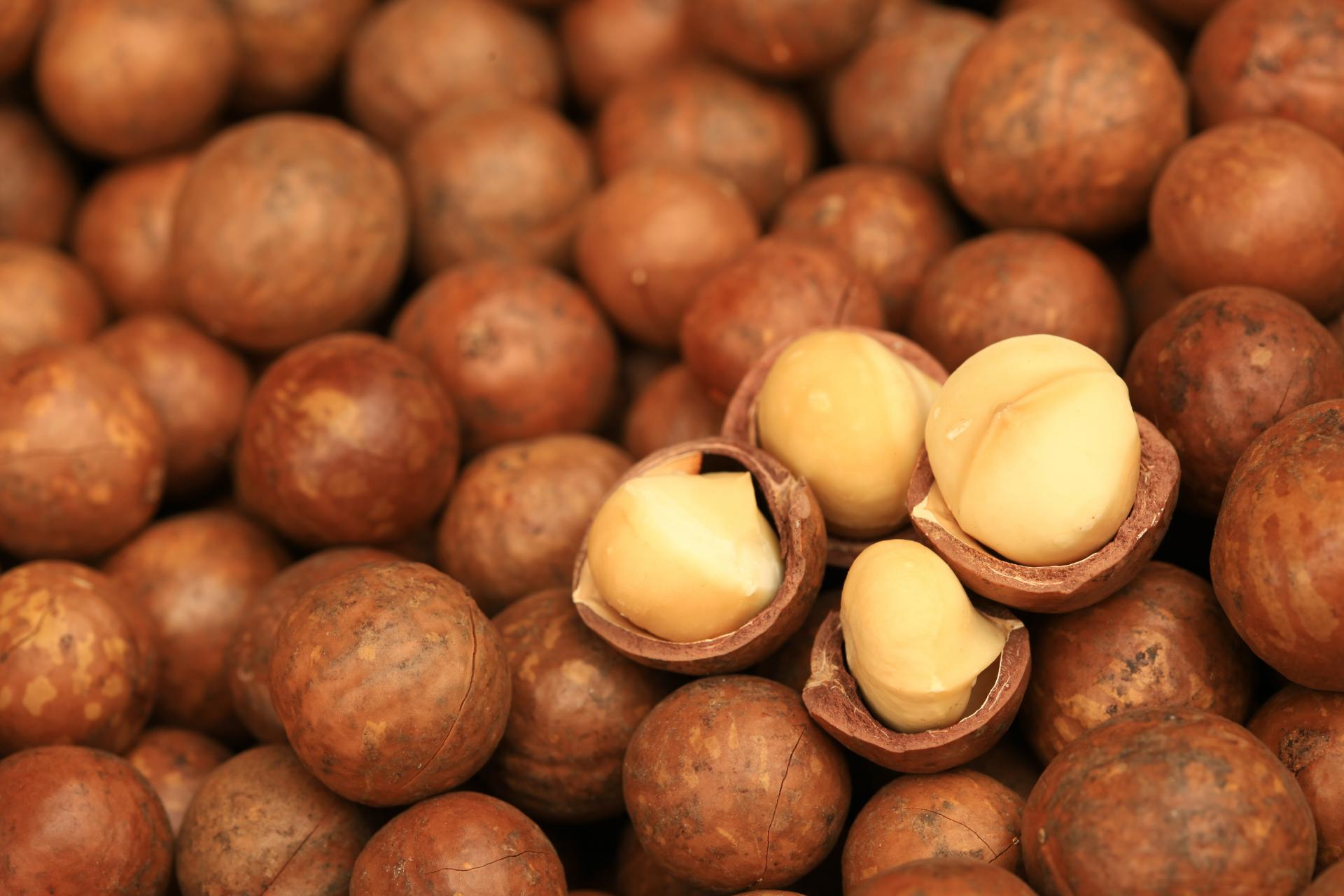
Kenyans can now harvest and trade macadamia nuts as the Agriculture and Food Authority lifted the seasonal ban on these activities effective February 1, 2026. The move follows a maturity assessment of nuts across key growing regions and comes after a temporary closure that began on December 1, 2025 to protect quality and preserve Kenya’s reputation in high value export markets.
The seasonal restriction, initially scheduled to continue until February 15 2026, was introduced to prevent premature harvesting that can compromise kernel quality, oil content and shelf life. These factors directly affect competitiveness in international trade. During the closure period, the authority intensified monitoring and compliance enforcement in major production counties.
Between January 19 and January 23 2026, the Agriculture and Food Authority conducted a nationwide maturity surveillance exercise to assess the readiness of macadamia nuts ahead of the new harvest season. The survey revealed varying maturity levels across different agro-ecological zones. Nuts grown in lower altitude coffee growing regions were largely mature, with some naturally dropping to the ground, an indicator that harvesting could safely begin. In contrast, nuts in higher altitude tea growing areas were still largely immature.
In announcing the lifting of the ban, Agriculture and Food Authority Director General Bruno Linyiru urged farmers, traders and processors to prioritise quality. He said harvesting should only be done when nuts are fully mature, noting that immature harvesting undermines both farmer incomes and Kenya’s standing in export markets.
The reopening of harvesting and trading is expected to provide relief to thousands of farmers who depend on macadamia as a source of income. Kenya remains one of Africa’s leading producers of macadamia nuts, with key growing counties including Embu, Meru, Kiambu, Murang’a, Kirinyaga and Nyeri, alongside emerging production areas in parts of the Rift Valley.


Macadamia nuts are among Kenya’s most valuable horticultural exports, earning foreign exchange and supporting rural livelihoods. However, the sector has previously faced challenges linked to quality concerns, including low kernel recovery rates and reduced oil content caused by premature harvesting. Such issues have, in the past, led to price penalties and strained relationships with international buyers.
The authority’s use of seasonal bans and maturity assessments is part of a broader effort to regulate the sector and promote sustainable production. By aligning harvesting periods with natural crop maturity, regulators aim to ensure Kenyan macadamia meets global quality standards while strengthening confidence among buyers.
While the ban has been lifted across most producing regions, the authority said it will continue monitoring areas where nuts are still immature, particularly in higher altitude zones. Enforcement measures will remain in place to discourage early harvesting and illegal trade. Officials say these controls are necessary to protect long term market access and support the continued growth of Kenya’s macadamia industry.