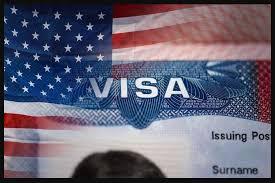
Kenya has been notably spared from the recent US immigrant visa freeze, a policy that affects more than 70 countries worldwide. This exemption comes as a relief for Kenyan citizens who rely on travel to the United States for work, education, and family reasons, but it also offers a strategic opportunity for the country to translate this reprieve into tangible economic and social gains. Being excluded from the freeze means that Kenyan professionals, students, and families can continue their plans without disruption, maintaining access to opportunities that are currently restricted for other nationalities.
For businesses, the exemption ensures smoother operations in trade, investment, and collaboration with US partners, preserving the momentum of existing projects and partnerships. At a time when international mobility is restricted, Kenya’s position highlights its strong diplomatic ties and compliance with immigration norms, enhancing its reputation on the global stage.
The economic potential of this exemption is significant. Continued access to US markets and education systems allows Kenyan talent to gain international exposure and skills that can later be applied domestically. Professionals who acquire experience in the United States can return home with enhanced expertise in key sectors such as technology, finance, healthcare and engineering, contributing to the growth and competitiveness of the local economy.
Additionally, the diaspora plays a critical role in Kenya’s financial landscape through remittances, which provide support to households and inject capital into the domestic economy. Preserving these financial flows is particularly important in a global environment where many countries are facing disruptions due to tightened immigration policies.


From a policy perspective, the exemption offers the government an opportunity to strengthen bilateral relations with the United States. Kenya can leverage this position to negotiate enhanced trade deals, investment incentives, and educational partnerships, positioning itself as a reliable and strategic partner in the region. Streamlining visa facilitation processes, raising awareness of the exemption among citizens, and encouraging structured diaspora engagement can help maximize the benefits of this policy.
Preparing for long-term gains requires clear strategies to ensure that the country not only maintains access to international opportunities but also converts them into sustainable development outcomes. Ultimately, Kenya’s exclusion from the US visa freeze is more than just a protective measure for its citizens, it is a platform for opportunity.
By leveraging this position strategically, Kenya can strengthen its global standing, support the development of human capital, and boost its economic prospects. The challenge lies in turning an exemption into action, ensuring that citizens and policymakers alike capitalize on the chance to enhance both individual and national growth. With deliberate planning and coordinated efforts, Kenya can convert this policy reprieve into a pathway for progress, demonstrating that being spared from restrictions today can translate into lasting benefits for tomorrow.