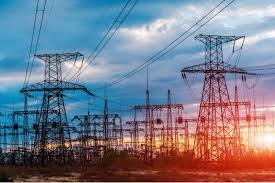
Kenya is gearing up to take over the next decade with grand projects such as industrial parks, digital infrastructure and ambitious rural electrification targets. However, concerns of Kenya’s aging power grid being strained under the weight of the rising demand have been on the rise. From frequent blackouts to unstable voltage, the signs are clear that Kenya’s energy infrastructure is overdue for a strategic, future-ready upgrade. Despite Kenya having invested heavily in electricity generation, especially from renewable sources such as geothermal power, the national grid has not kept pace in terms of reach.
According to the Kenya Power and Lighting Company, the country’s electricity consumption hit a record peak demand of 2,316 MW, up from an earlier peak of 2,304 MW. However, the issue is not about how much power is available, but about how efficiently it is delivered across the country. Frequent disruptions in industrial hubs like Nairobi, Kisumu, and Mombasa are costing businesses millions in downtime and backup energy. For growing cities and industrial zones, this translates into costly disruptions, stalled operations, and reduced investor confidence.
In order to stabilize the surge and secure the future of Kenya’s electrification agenda, the strategies that could be employed include grid modernization and digitization. Kenya’s power grid was designed for an era of predictable, centralized energy flows. However, today’s reality, which is characterized by growing urban demand and decentralized consumption, calls for smarter infrastructure. Investing in digital grid technologies such as smart meters, automated and predictive maintenance systems can vastly improve efficiency. These tools provide real-time monitoring, reduce outages, and enable faster response times during faults. Strengthening transmission and distribution networks.
A significant portion of power loss in Kenya occurs not in generation but during transmission and distribution. Upgrading substations, expanding transmission lines, and reinforcing high-voltage corridors will reduce these technical losses. The government should prioritize public-private partnerships to fast-track grid expansion in high-growth zones such as Naivasha. Fast-tracking these upgrades will help absorb rising demand from electric vehicles, data centers, and high-tech manufacturing. Third, diversifying grid support with energy storage. As renewables like wind and solar become more prominent, storage becomes essential for maintaining a stable power supply. Energy storage can act as a buffer, helping to smooth out fluctuations and improve grid reliability. Pilot projects in countries like South Africa and Morocco show that even modest storage investments can significantly reduce blackouts.
Kenya’s economic transformation depends heavily on reliable energy. With flagship initiatives like the Bottom-Up Economic Transformation Agenda, universal internet access, and an e-mobility revolution on the horizon, the grid must evolve from being a bottleneck to becoming an enabler. Without urgent upgrades, power disruptions could undermine investor confidence, delay infrastructure projects, and derail productivity gains across sectors.