Sharp Daily
No Result
View All Result
Sunday, June 7, 2026
  • Home
  • News
    • Politics
  • Business
    • Banking
  • Investments
  • Technology
  • Startups
  • Real Estate
  • Features
  • Appointments
  • About Us
    • Meet The Team
Sharp Daily
  • Home
  • News
    • Politics
  • Business
    • Banking
  • Investments
  • Technology
  • Startups
  • Real Estate
  • Features
  • Appointments
  • About Us
    • Meet The Team
No Result
View All Result
Sharp Daily
No Result
View All Result
Home Opinion

Economic reforms are costly

Brian Otieno by Brian Otieno
June 3, 2025
in Opinion
Reading Time: 2 mins read

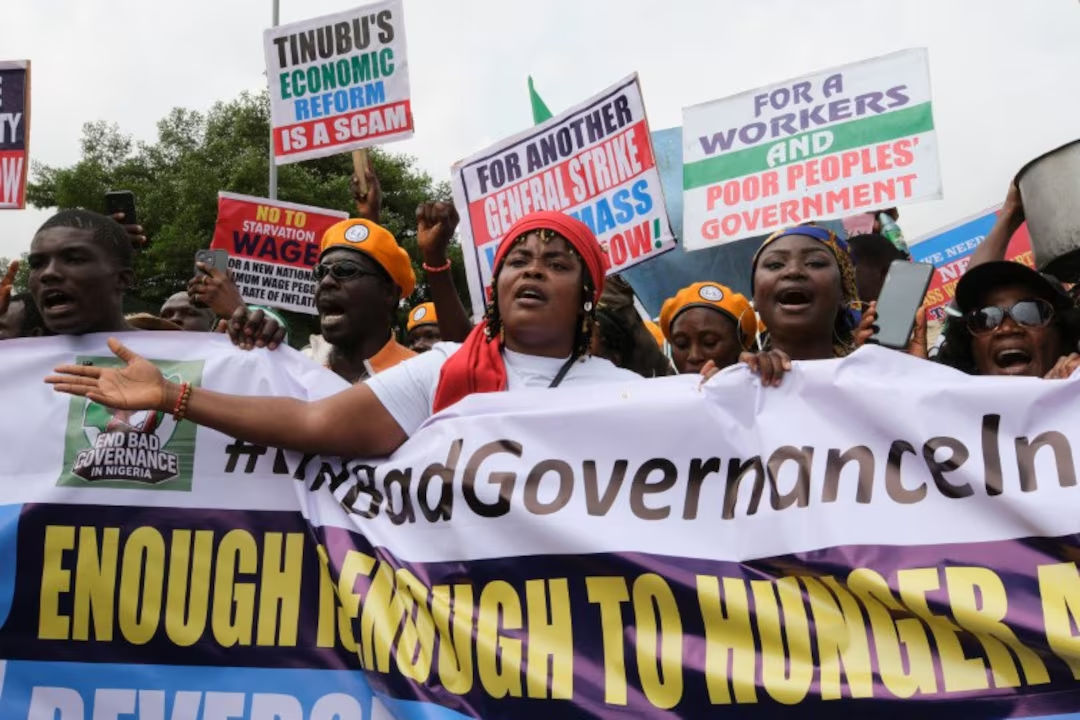
In Kenya, efforts to achieve economic stability through fiscal reforms have ignited a contentious debate over their social impacts. Burdened with a public debt amounting to 68.9% of GDP in May 2025 and a fiscal deficit projected at 4.9% for  the supplementary budget 2024/25, the government has adopted austerity measures and increased taxes as key strategies. Though intended to salvage the sorry situation, these reforms have created significant burdens on citizens with  widespread discontent over escalating living costs and reducing economic opportunities.

Kenya’s fiscal consolidation program, backed by the IMF and World Bank, aims to stabilize an economy shaken by external shocks.  The government has tried in vain  to  design policies aimed  to raise revenue which has been met by total resistance by the public. In a country where the poverty rate stands 34.0%  at 0.34% these measures have intensified economic hardship. Basic items like maize flour and cooking oil have become unaffordable worsening the situation further.

The social consequences are severe. Kenya’s Gini coefficient of 0.39 indicates a worrying level of income inequality within the country, where Gini coefficient of 0 represents perfect equality (everyone earns the same) and 1 represents perfect inequality (one person holds all income).Austerity measures have also weakened public services, where government services such as education and Health sectors grappling with underfunding affecting their operations as a result of reduced funding.

To close the gap on inequality and the unintended effects of this policies, Kenya must place greater emphasis on inclusive development policies. Strengthening programs like Inua Jamii can cushion the poor from the shocks of reform. Devolved governance also offers promise, with counties l investing in vocational training to prepare youth for jobs in technology and tourism. Community led approaches, including agricultural cooperatives and saccos can enhance also enhance resilience against climate and market disruptions, ensuring broader participation in economic progress. Transparent fiscal practices and inclusive budgeting can help restore public trust.

RELATEDPOSTS

World Bank warns Kenya against shielding state firms from market competition

December 9, 2025
Kenya IMD ranking

Kenya’s landmark entry into the IMD world competitiveness ranking 2025 as Africa’s top performer at 56th globally

December 1, 2025

The success of the the current economic reforms  therefore depends on acknowledging and addressing their social costs. By investing in human capital through education, health, and creation of job opportunities. With that, the government will  turn discontent into satisfaction, ensuring that economic transformation benefits all Kenyans, not just on the state’s balance sheet

Previous Post

Cytonn Income Drawdown Fund (CIDDF)

Next Post

Understanding inflation and its impact on everyday life

Brian Otieno

Brian Otieno

Related Posts

Analysis

Kenya ends self-reporting in gambling sector

June 5, 2026
Analysis

HF group rebrands to HFCB in strategic transformation move

May 28, 2026
Economy

How global supply chains feed Kenya’s fake drug market

May 7, 2026
Analysis

Taifa gas eyes kenyan market with major LPG investment

May 6, 2026
Analysis

Safaricom maintains growth momentum as digital services drive earnings

May 5, 2026
Analysis

Kenya’s infrastructure push leans on private investment

April 30, 2026

LATEST STORIES

Why the MPC Should Maintain the Central Bank Rate at 8.75% in the June 2026 Meeting

June 5, 2026

Kenya’s Ebola centre deal: What the Kenya-US biosecurity agreement really means for Kenyans

June 5, 2026

Kenya’s MPC faces its toughest call yet as inflation and growth pull in opposite directions

June 5, 2026

Cost Pressures and Margin Compression in Firms

June 5, 2026

DRC Ebola outbreak 2025: The race against a deadly virus, a funding crisis, and a continent’s resolve

June 5, 2026

Kenya ends self-reporting in gambling sector

June 5, 2026

Dua Lipa’s wedding to Callum Turner captivates fans as music and film stars celebrate a modern celebrity romance

June 5, 2026

Kenya expands local borrowing

June 5, 2026
  • About Us
  • Meet The Team
  • Careers
  • Privacy Policy
  • Terms and Conditions
Email us: editor@thesharpdaily.com

Sharp Daily © 2024

No Result
View All Result
  • Home
  • News
    • Politics
  • Business
    • Banking
  • Investments
  • Technology
  • Startups
  • Real Estate
  • Features
  • Appointments
  • About Us
    • Meet The Team

Sharp Daily © 2024